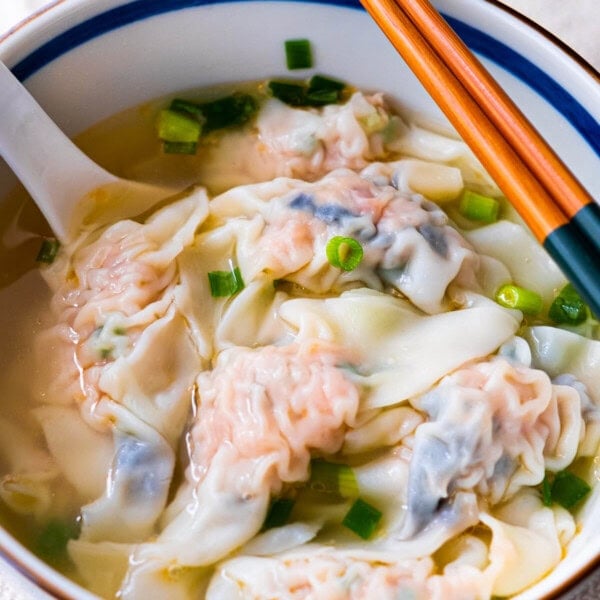
Shrimp Dumplings (Har Gow/虾饺) pictures (1 of 4)
Click the image to see next picture
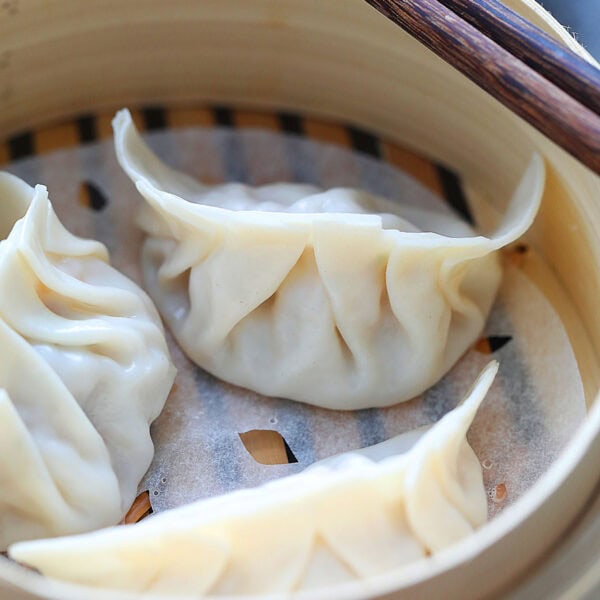
Today, I wanted to introduce you to the sweet and adorable Shao of FriedWontons4U. Twitter has become a great platform to discover new food blogs and I found FriedWontons4U a few months ago. FriedWontons4U chronicles Shao’s cooking and travel adventures. Shao came from Guangzhou—the birthplace of exquisite Cantonese cuisine—so we decided on shrimp dumplings or har gow (虾饺), arguably the most popular dim sum ever! Please welcome Shao to Rasa Malaysia and do leave her your comments. Her shrimp dumplings/har gow look absolutely inviting and yummy!
If there was ever an official mascot for dim sum, “har gow” would definitely be a strong contender. What’s not to love about? Pump and juicy shrimp just barely visible through its clear dumpling skin, what a tease to the senses. A dim sum meal without it would not be complete for me. Growing up I was lucky enough to live within walking distance to many Chinese restaurants in Philadelphia, and most of my Sunday afternoons were spent eating dim sum. With all my years of eating har gow, I never tried making it until early this year. This recipe is a combination from what I have learned from watching how my mom and dad makes it, and how my uncle makes it…(get Shao’s shrimp dumplings or har gow recipe after the jump)
Click for more
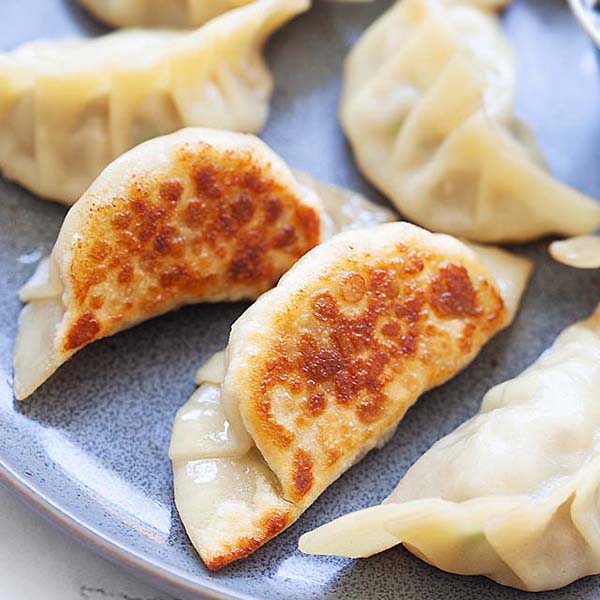
Gyoza (Japanese Dumplings) pictures (1 of 7)
Click the image to see next picture
I have always liked dumplings—those little dough-wrapped morsels filled with stuffing consists of ground pork, seafood and vegetables—but my appreciation for dumplings deepens and intensifies only in the past few years due to my many trips to Beijing.
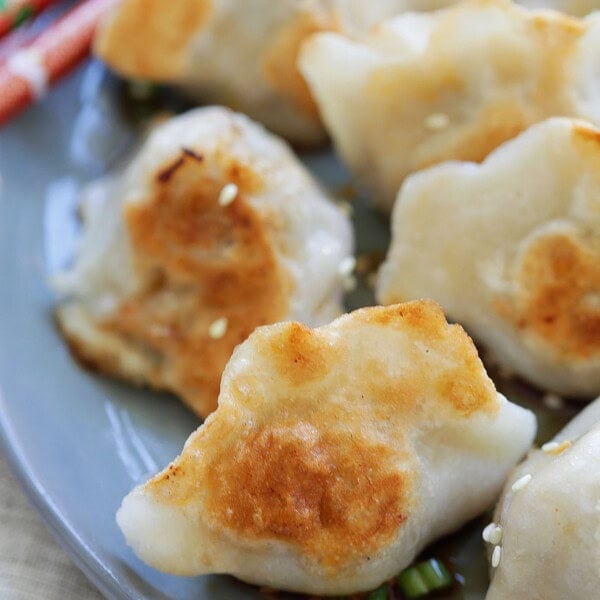
Beijing—the culinary capital of Chinese food—is the cradle of some of the best dumplings on earth. Dumplings are much celebrated, if not the building block of northern-style Chinese cooking. In Beijing and the neighboring city of Tianjin, I savored dumplings of varied shapes, forms, with fillings so diverse, complicated, and sometimes bizarre, but never once disappoint in flavor and originality. I eventually become a dumpling buff; I cook and eat everything from the ubiquitous Cantonese dumplings such as har gow and sui mai, Chinese pot stickers and jiaozi, to Japanese gyoza.
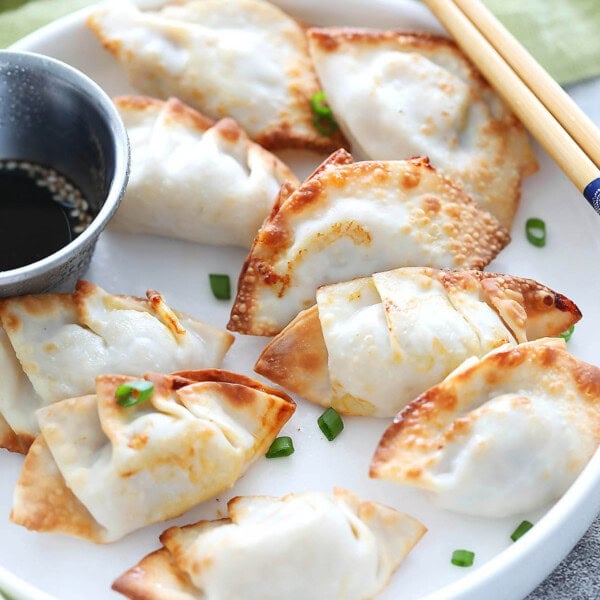
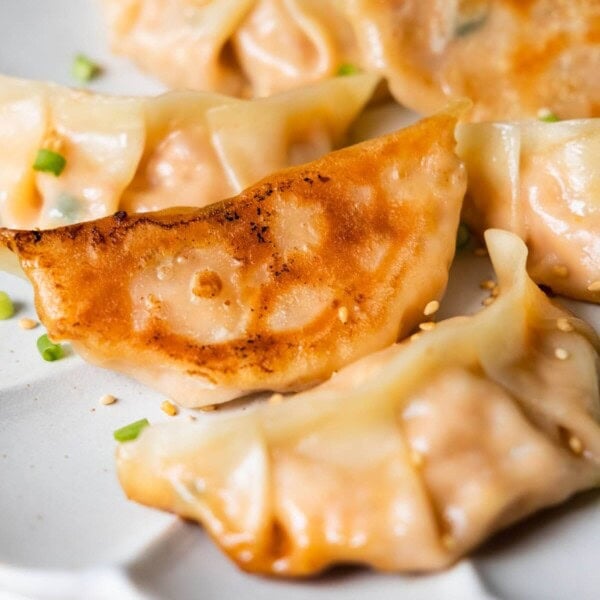
Gyoza, the Japanese equivalent of jiaozi, were introduced to Japan after World World II by Japanese soldiers returning form China, according to my friend Andrea Nguyen, who has just recently published her new cookbook “Asian Dumplings.” Gyoza is an essential part of Japanese cuisine: an everyday food consumed as much as sushi or ramen by Japanese people…(get gyoza recipe after the jump)
Click for more
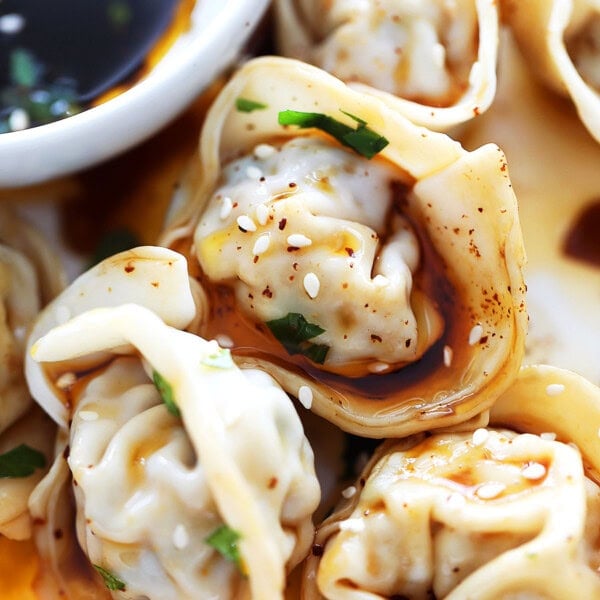
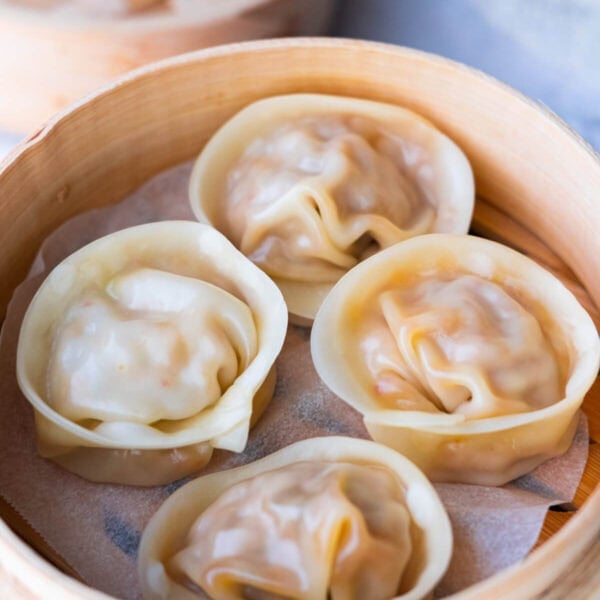
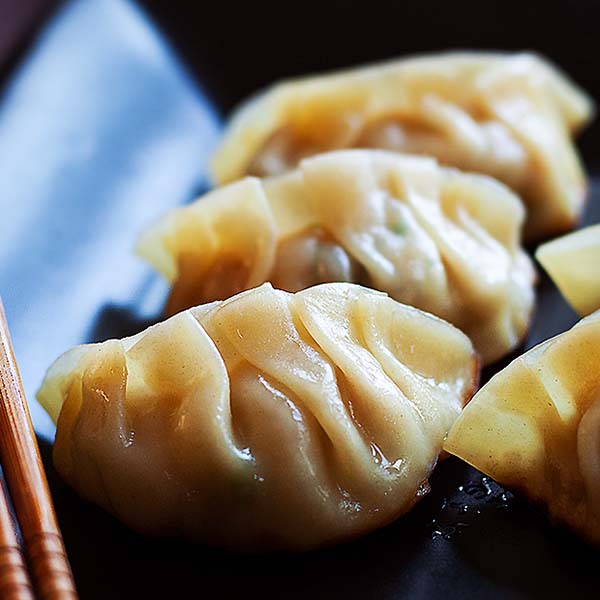
There is no secret that I love dumplings–boiled, pan-fried, or steamed. Recently, a coworker from Japan is in town and we were discussing about going for a dim sum/dumpling lunch. All the dumpling talks triggered a sharp craving in me that I had to make my own steamed dumplings.
Making dumplings is really not so hard [...]
(Chinese recipes, prepare authentic Chinese food now!)
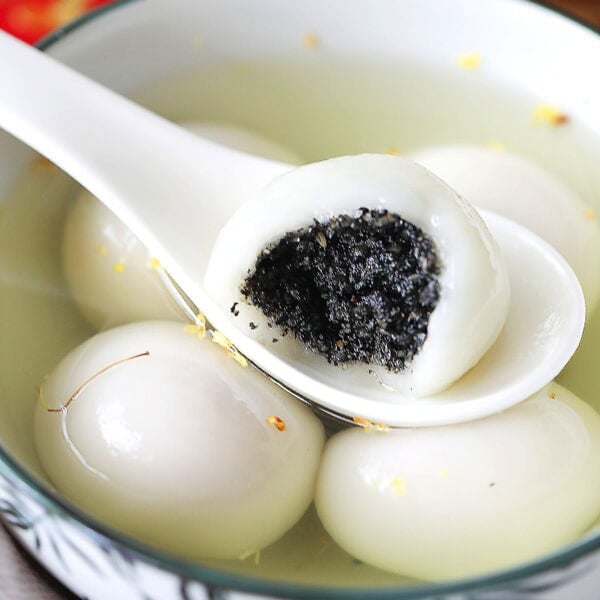
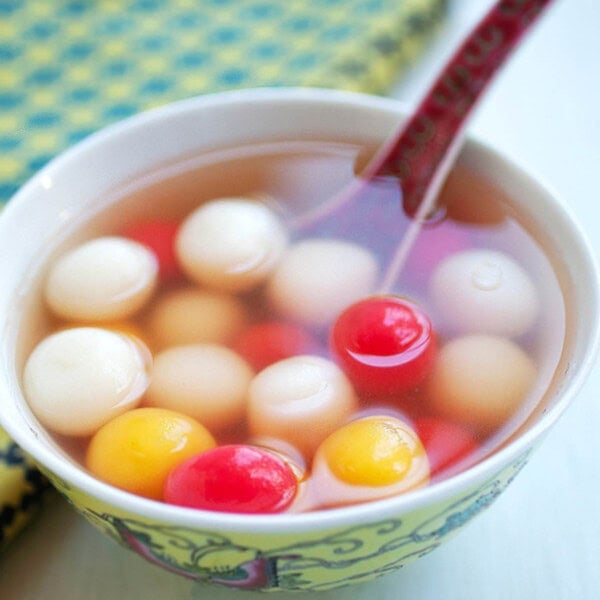
I don’t have much of a sweet tooth, except for a few desserts. One of the Chinese desserts I absolutely love is tang yuan (汤圆) or sweet dumplings filled with black sesame paste or ground peanuts. I am especially partial to black sesame dumplings or 芝蔴汤圆. They are absolutely [...]