
This post may contain affiliate links. Please read my privacy policy.
Sushi rice is the building block of Japanese sushi. Easy and the best sushi rice recipe with steamed rice, rice vinegar, salt and sugar. Use this recipe to make all kinds of homemade sushi rolls.
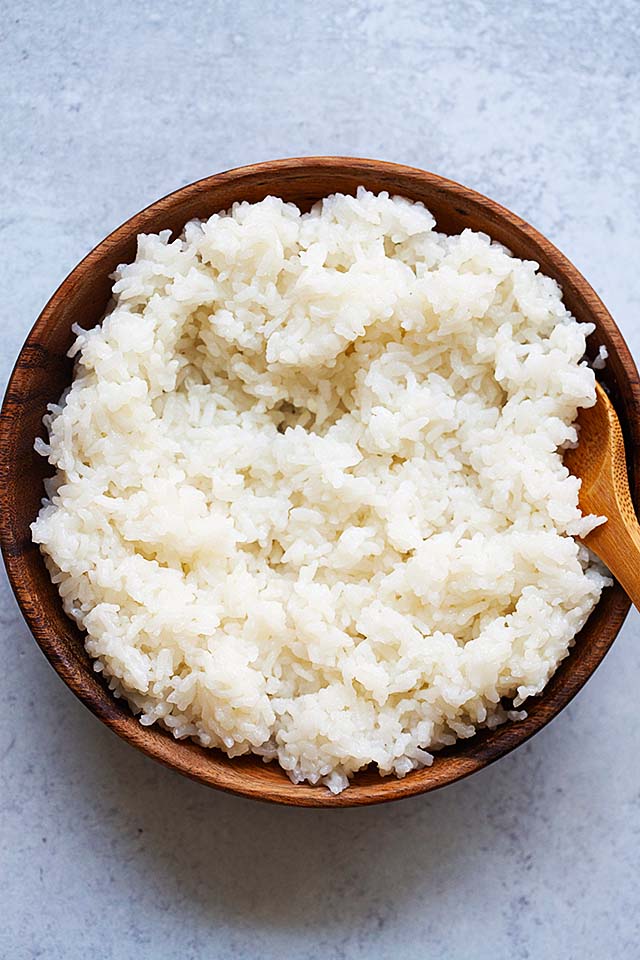
Sushi Rice Recipe
Sushi rice is made of steamed short-grain rice and seasoned with Japanese rice vinegar, salt and sugar.
It’s the building block of Japanese sushi, for example: maki rolls, nigiri rolls and hand rolls.
You can’t make sushi without it but this recipe is very easy and anyone can make it at home!
How To Make Sushi Rice
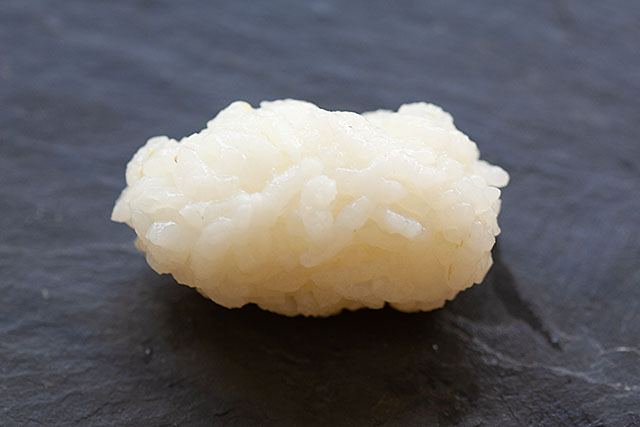
It’s very easy to try this recipe at home. The best recipe calls for the following ingredients:
- Short grain rice such as Japanese rice or rose rice.
- Kombu or dried Japanese seaweed.
- Rice vinegar.
- Salt and sugar.
See the recipe card for full information on ingredients.
Rice vinegar, salt and sugar are sushi rice seasoning ingredients.
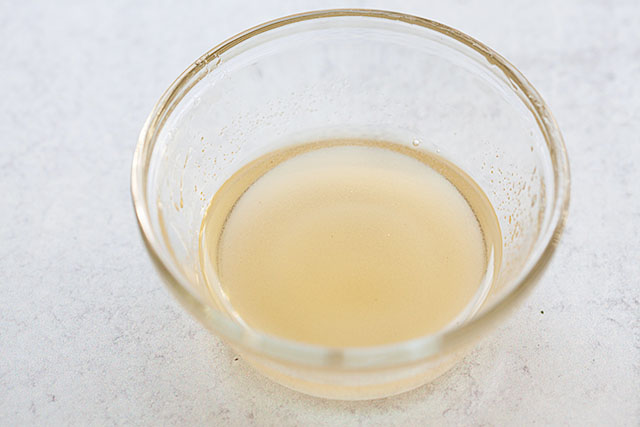
First, you can cook the rice in a rice cooker. You can also use an Instant pot.
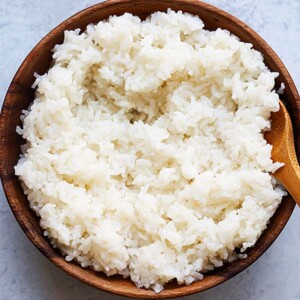
After the rice is cooked, remove it from the rice cooker and let cool in a wooden bowl.
Traditionally, it’s made in a wooden tub called hangiri.
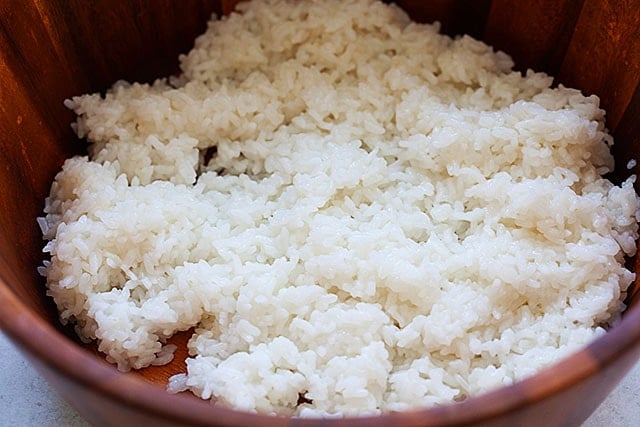
The last step is add the seasoning ingredients, mix and blend well with the steamed rice.
Cooking Tips
- Wash and rinse the rice with water to remove the “starch.” The rice is ready when the water becomes clear.
- Use an electric rice cooker to cook the rice.
- Use a wooden bowl and spoon to stir and mix the rice and seasoning ingredients.
- For the best flavors, use Japanese rice vinegar with dashi. It adds umami to the taste.
Frequently Asked Questions
What is the best rice to use for this recipe?
Short grain rice is the best type of rice to use. I strongly recommend a combination of Calrose rice and Japanese rice.
Calrose has a bigger grain so when both of them are combined together in the ratio of 1:1, you get the best and perfect texture.
Yes, you can freeze the leftover rice in the freezer or keep for a few days in the refrigerator.
Steam the rice before using to ensure freshness and good taste.
This recipe is only 7 calories per piece.
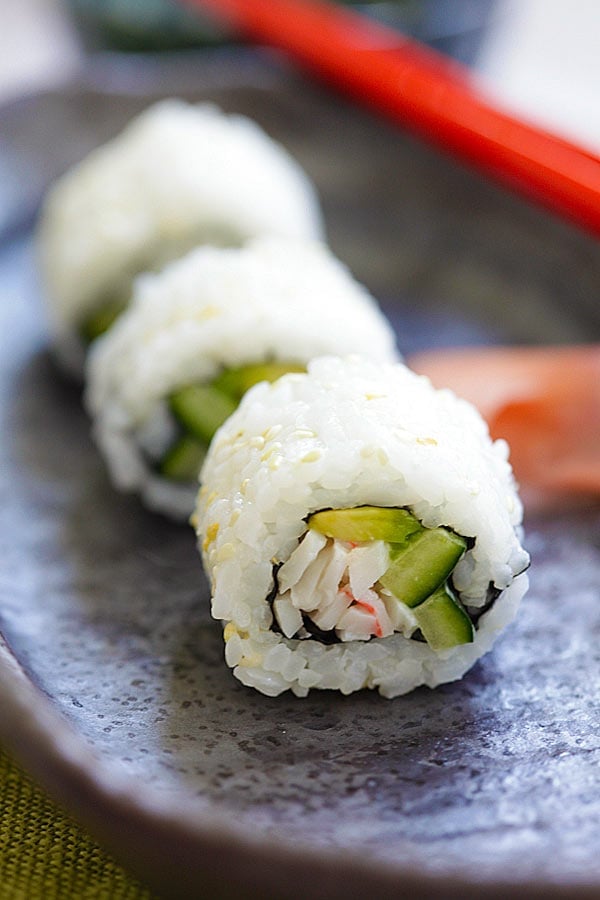
What To Serve With Sushi Rice
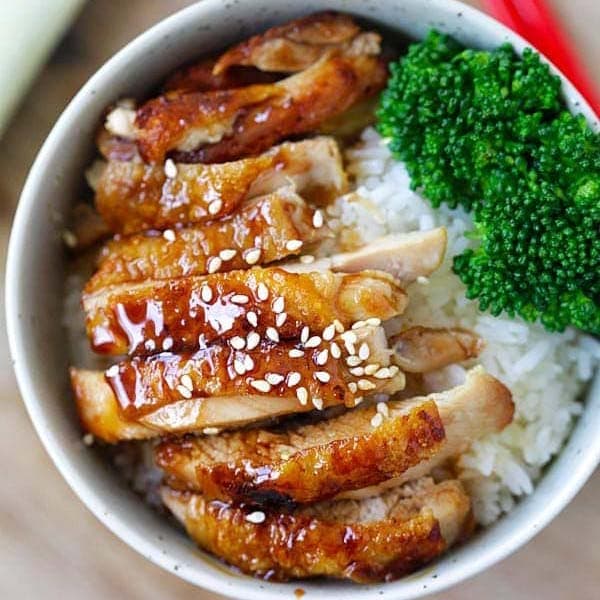
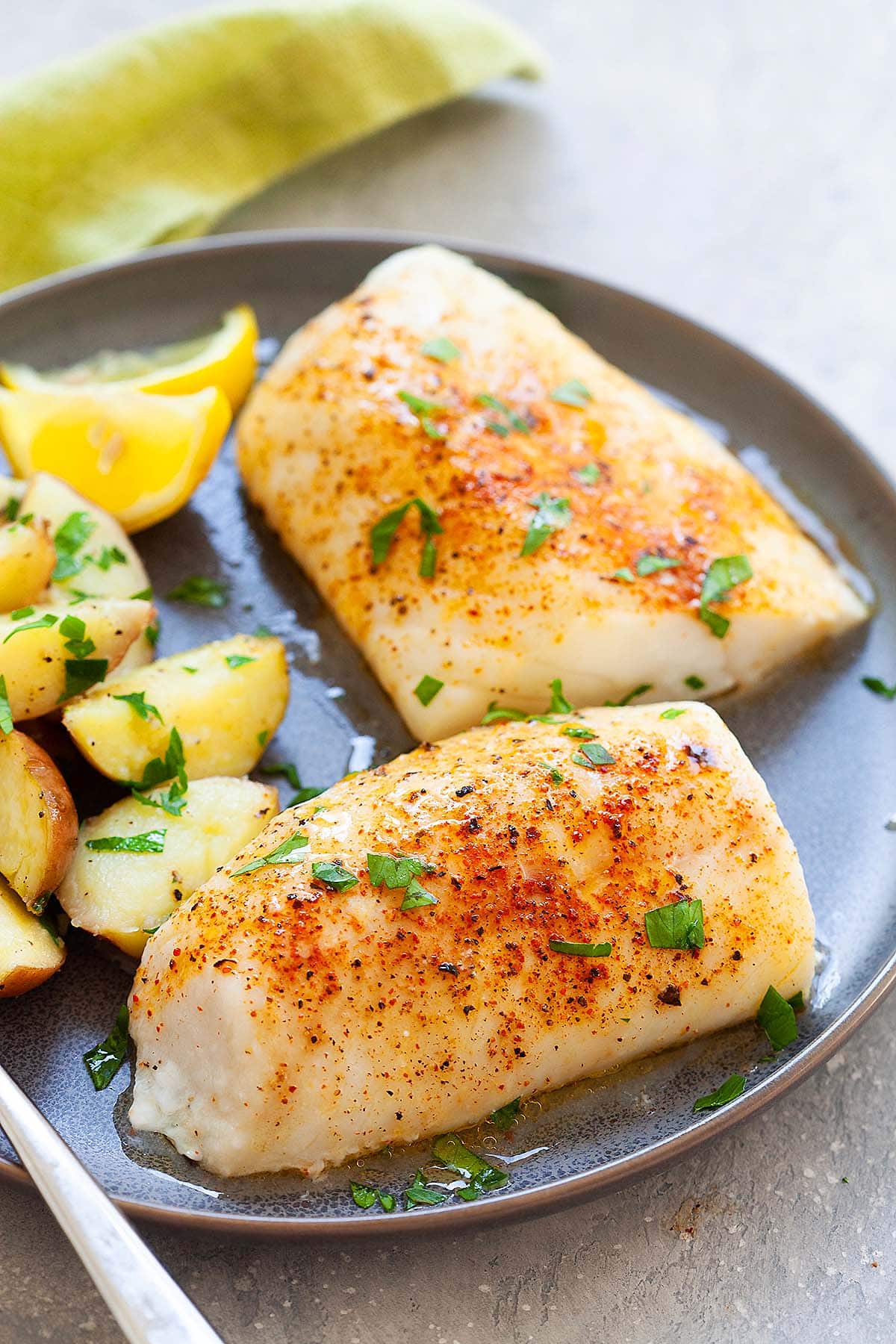
Use the rice to make a variety of sushi. For a healthy Japanese meal and easy weeknight dinner, I recommend the following recipes.
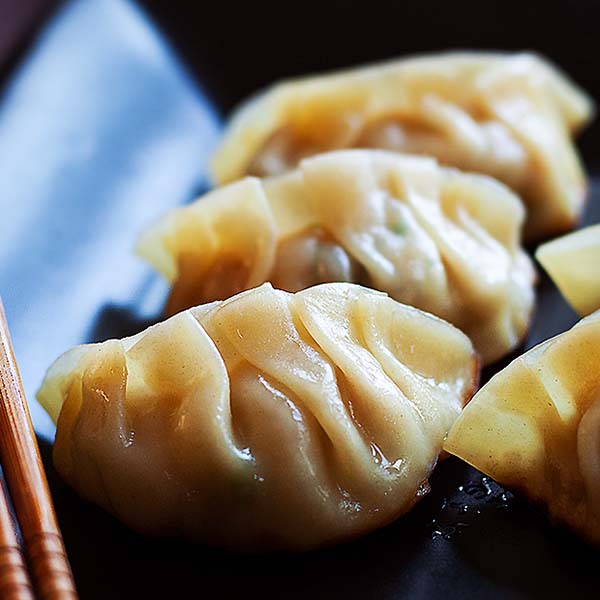
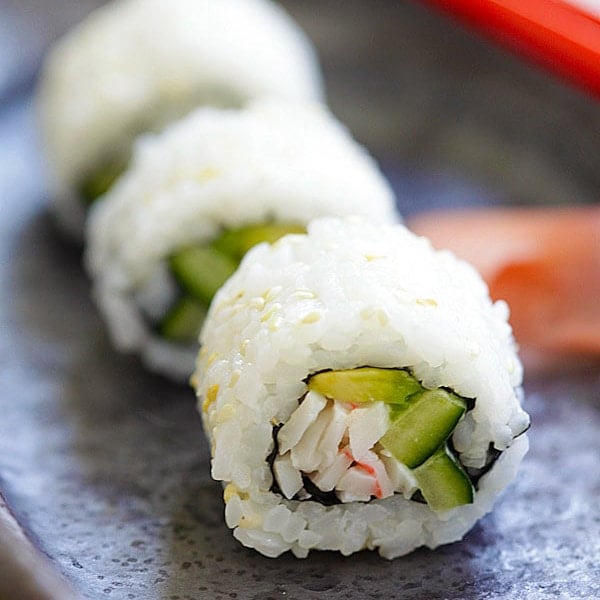
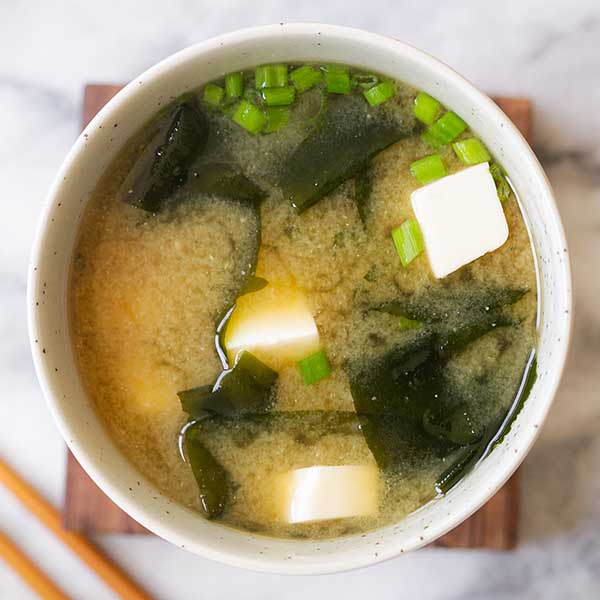
I hope you enjoy this post as much as I do. If you try my recipe, please leave a comment and consider giving it a 5-star rating. For more easy and delicious recipes, explore my Recipe Index, and stay updated by subscribing to my newsletter and following me on Facebook, Pinterest, and Instagram for new updates.
Other Recipes You Might Like
Sushi Rice
Ingredients
- 1/2 cup Calrose rice
- 1/2 cup sushi rice
- 450 ml water
- 1 piece kombu
Sushi Rice Seasoning:
- 2 tablespoons rice vinegar
- 1 tablespoon sugar
- 1/4 heaping teaspoon salt
Instructions
- Wash the rice with water and drain it several times until the water runs clear. Drain the rice in a colander.
- Mix all the ingredients for the sushi rice seasoning in a small bowl. Stir well until the sugar is completely dissolved.
- Transfer the rice to a rice cooker, add the water and kombu, and set the rice cooker to cook.
- Once cooked, transfer the rice into a wooden bowl, spreading it out. Add the Sushi Rice Seasoning and mix well with a wooden spoon.
- Let the rice cool down to warm, then shape the sushi rice for any sushi you like.
Notes
Nutrition
Nutrition information is automatically calculated, so should only be used as an approximation.






We love mixing our rice. We love jasmine but it is sweet so we mix it with regular rice. We use chinese red vinegar, mirin, cane sugar and salt. I have been choosing your recipes for a very long time, lolz. Today I will try your rice mix. Love you forever Bee : )
Thanks for your support. You’re so kind. :)