
This post may contain affiliate links. Please read my privacy policy.
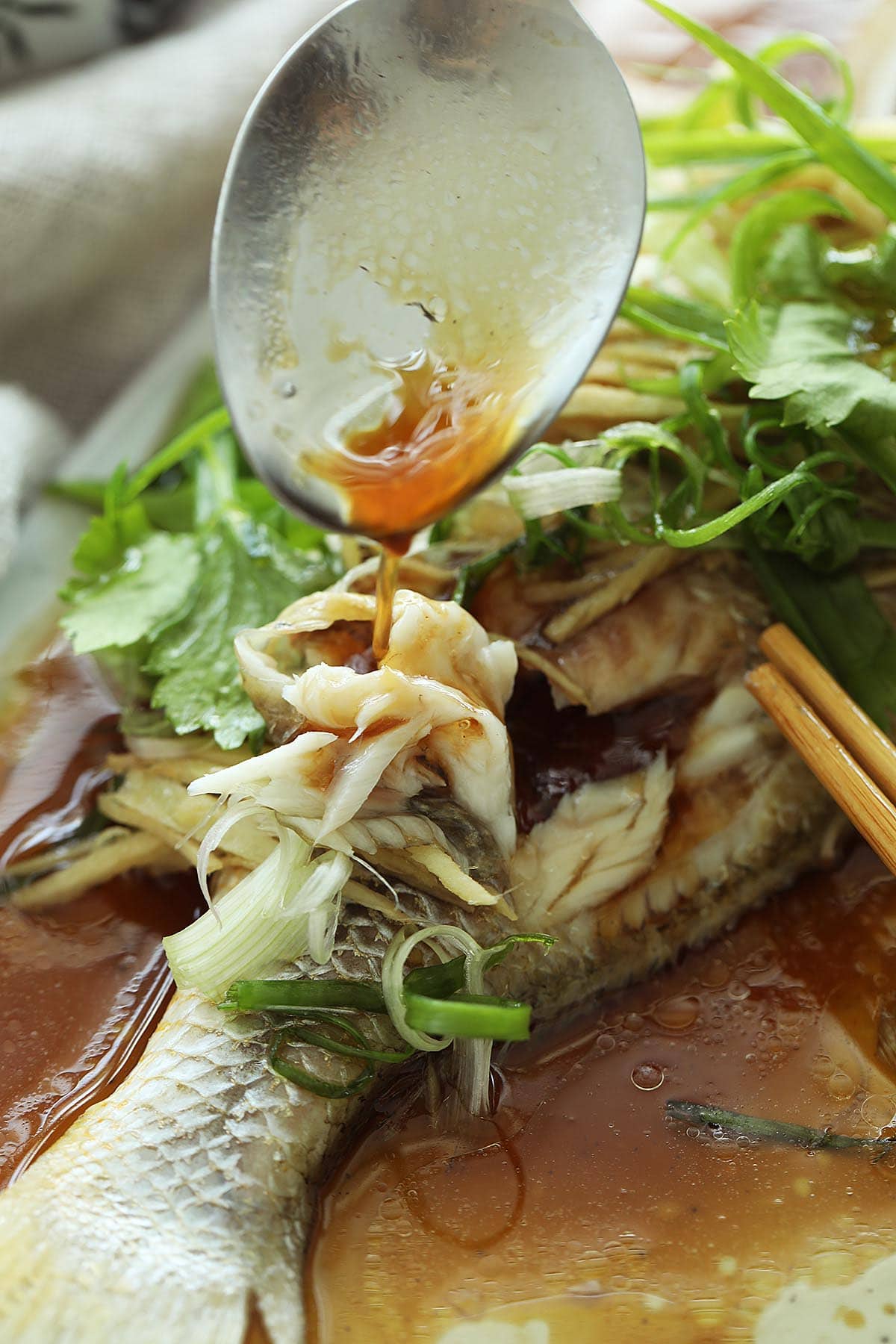
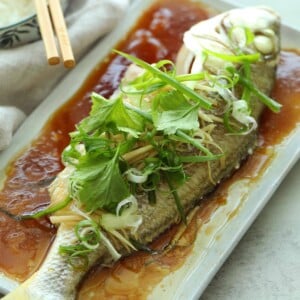
Learn how to make steamed fish with my tried-and-tested, easy Chinese steamed fish recipe. Check out my step-by-step video guide, along with tips and tricks below, to make the perfect dish every time!
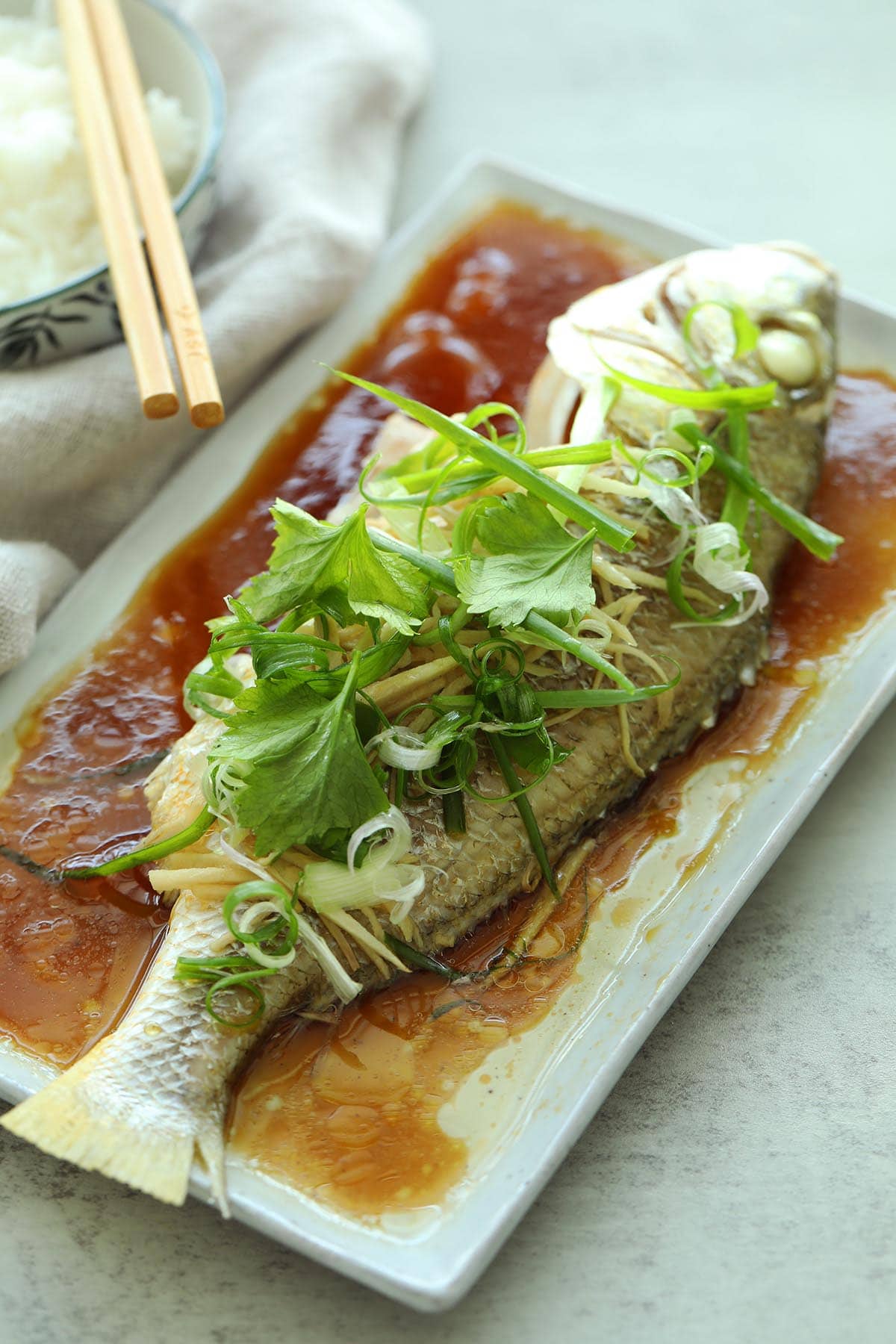
Table of Contents
- Recipe Summary
- Chinese Steamed Fish
- Whole Steamed Fish
- Cantonese Steamed Fish Ingredients
- How To Pick Fresh Fish At The Market
- Recipe Variations
- How To Make Steamed Fish
- What To Use Instead Of A Steamer
- Helpful Tips For Home Cooks
- Frequently Asked Questions
- What To Serve With Steamed Fish
- Other Recipes You Might Like
- Steamed Fish Recipe
Recipe Summary
- 🔪 Prep Time: 5 minutes
- 👨🍳 Cook Time: 10 minutes
- ⏱️ Total Time: 15 minutes
- 🍽️ Servings: 4 people
- 🏷️ Calories: ~277 calories
- 🍳 Cook Method: Steamed
- ✨ Flavor Profile: Fresh and delicate fish with savory soy and fragrant ginger-scallion oil
- 🧩 Difficulty: Very easy (Perfect for beginners and busy weeknights)
SUMMARIZE AND SAVE THIS CONTENT ON
Chinese Steamed Fish
I absolutely adore Chinese-style steamed fish—fresh, live fish steamed with soy sauce and topped with shredded ginger, scallions, and cilantro. There’s just something so satisfying about pairing it with a bowl of white rice, drizzled with the fish’s own soy sauce. Honestly, sometimes I find myself indulging in bowl after bowl of rice just to savor the sauce. Chinese steamed fish is truly irresistible!
I have to admit, I’m biased—I firmly believe fish is best when steamed. It’s all about that tender, silky, and delicately flaky texture that you can only get from perfectly steamed fish.
Certain fish, like the prized “Soon Hock” or Marble Goby, a freshwater favorite in Malaysia, have an unbeatable steamed texture. Mild-flavored fish like snapper (red or white), sea bass, and rock cod are also fantastic choices for this recipe. And let’s not forget the best part—the fish cheeks! The slightly chewy texture of the cheeks is absolutely divine and a true highlight.
While steaming fish might seem simple, making it perfectly in the Cantonese style involves a few key techniques. I’m lucky enough to have learned the secrets from a Cantonese chef, and now I can share them with you to help you create a dish worthy of any Chinese restaurant.
Below, you’ll find my recipe for steamed fish, an authentic and unbeatable version that you won’t find anywhere else online! If you love homemade Chinese cuisine, be sure to check out my other Chinese recipes too!
For more easy and delicious fish recipes, check out my Lemon Butter Swai Fish recipe next!
Whole Steamed Fish
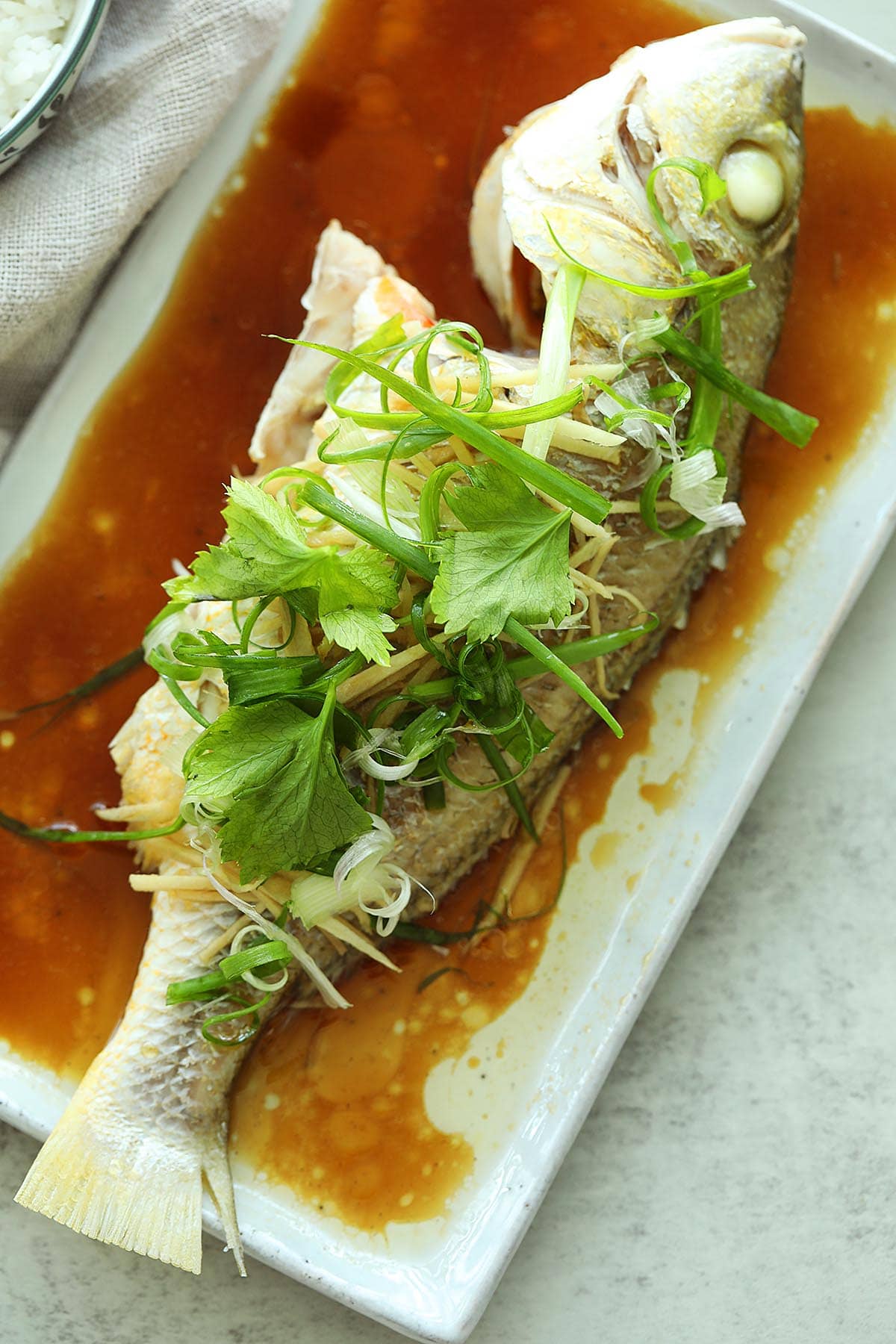
Chinese people love serving whole fish, with its head and tail intact, as it’s all about showcasing the fish in its full glory. This tradition runs deep in Chinese culture, especially during important occasions like Lunar New Year, where whole fish symbolizes good luck and prosperity. The reason is simple: the word for fish, “yu” (鱼), sounds like “surplus” (余), which represents abundance in Chinese.
More than just the symbolism, serving a whole fish also represents family togetherness. It’s often shared at the dinner table, encouraging communal dining. In essence, a whole steamed fish is a beautiful expression of Chinese cultural values, good fortune, and the love for both food and family.
Cantonese Steamed Fish Ingredients
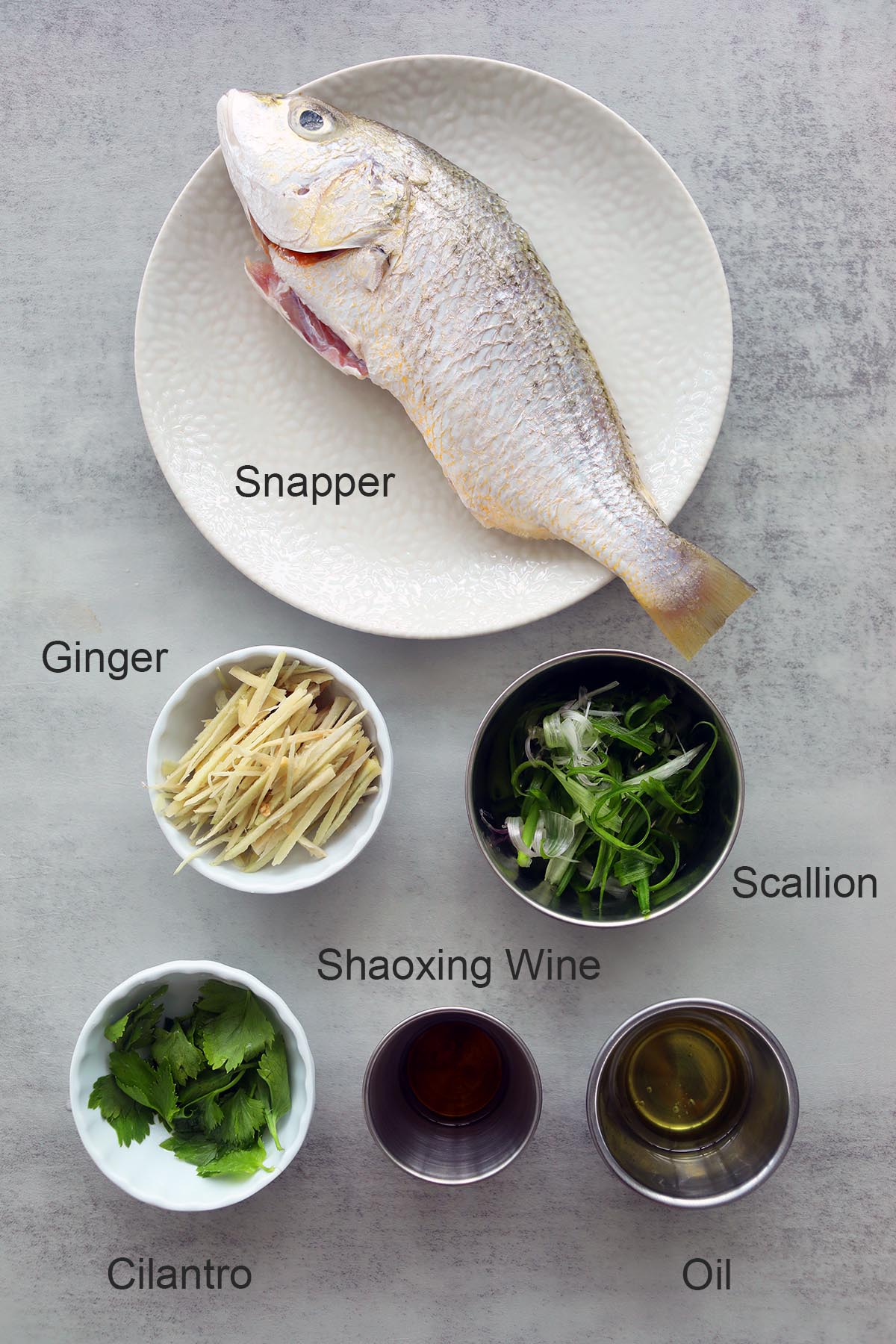
Steamed fish typically calls for the following key ingredients, plus a killer soy sauce mixture. Here are what you need to make the recipe at home:
- Fish – I used white snapper for this recipe. You may opt for red snapper, striped bass, sea bass, tilapia, or marble goby. If you cannot find fresh or live whole fish at your supermarket, you may use fish fillets.
- Ginger – If fresh young ginger is available in your market, get it instead of regular or old ginger. Young ginger has the best texture for this recipe.
- Shaoxing wine – Shaoxing wine imparts a subtle fragrance to the fish, masking and reducing any potential fishy smell.
- Scallion – Thinly sliced green onion threads curl up when soaked in cold ice water, making the presentation a lot more beautiful. Plus, it complements the ginger and cilantro to complete the dish.
- Cilantro – Get Chinese cilantro (the variety with thicker stems and bigger leaves) if it’s available in your market. If not, regular cilantro or coriander works equally well.
Steamed Fish Soy Sauce
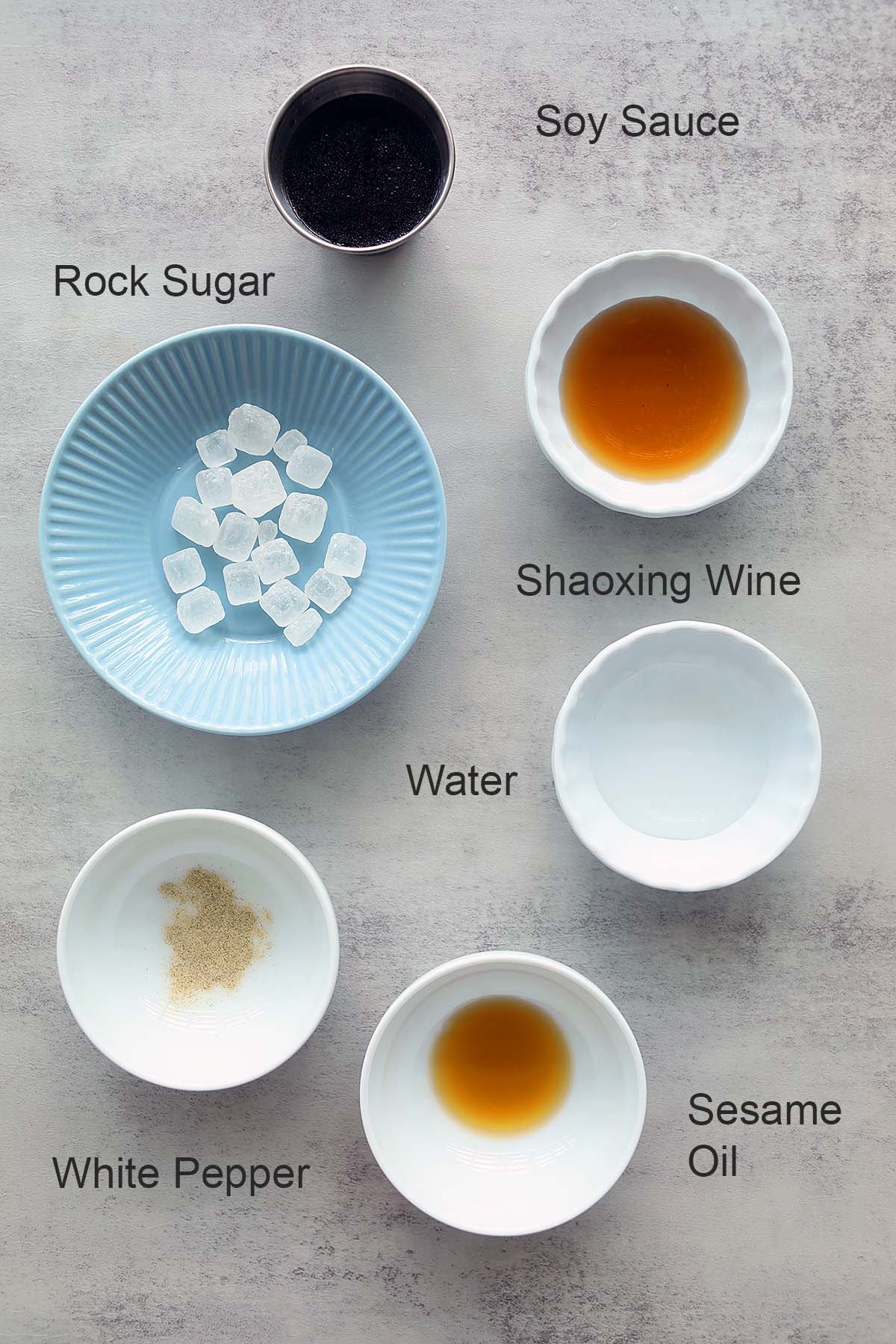
My secret steamed fish soy sauce is made of six (6) ingredients:
- Soy sauce – Use a good brand of soy sauce that isn’t overly salty or sweet; I recommend Lee Kum Kee for its consistency. Maintain a Water-to-Soy ratio (usually 1:1 or 2:1) to prevent the sauce from becoming too heavy. This dilution keeps the dressing transparent so it doesn’t overwhelm the delicate natural juices of the fish.
- Rock sugar – This is the secret ingredient used by Chinese and Cantonese chefs. Rock sugar imparts a deeper sweetness to the sauce. You may substitute with regular white sugar.
- Shaoxing wine
- Sesame oil – A tiny amount perks up the soy sauce mixture with intense aroma and fragrance.
- Ground white pepper – Gives a mild peppery kick to the sauce, balancing out the saltiness of the soy sauce and the sweetness of the sugar.
- Water – Used to dilute the sauce.
Please refer to the recipe card at the bottom of this post for full details on each ingredient.
How To Pick Fresh Fish At The Market
Buying fresh fish is the secret to a flavorful, clean-tasting steamed fish. Here’s what to look for:
- Clear eyes: The eyes should be full, bright, and slightly bulging—not sunken or cloudy.
- Firm flesh: Press gently with a finger. The flesh should bounce back and not leave an indent.
- Shiny skin: A good fish has moist, shiny skin with tightly clinging scales.
- Bright red gills: Lift the gill flap—look for vibrant red or pink gills, not brown or slimy ones.
- Clean smell: Fresh fish smells like the sea. If it smells sour or overly fishy, skip it.
Pro Tip: Ask your fishmonger when the fish arrived and whether it’s wild-caught or farmed. For this recipe, mild, white-fleshed fish like sea bass, tilapia, snapper, or grouper all work well.
Recipe Variations
There are a variety of ways to steam fish, with different sauces and ingredients beyond the traditional soy sauce. Here are some of my absolute favorites:
- Teowchew Steamed Fish: This dish hails from the Teochew (Chaozhou) region and features a whole fish steamed with salted vegetables, tofu cubes, scallions, tomatoes, and pickled plums. The result is a mouthwatering combination of tangy, savory, and robust flavors that’s absolutely irresistible.
- Thai Steamed Fish: Packed with the zesty kick of lime juice and fiery Thai chilies, this vibrant dish highlights the natural sweetness of the fish while offering a refreshing and aromatic experience.
- Steamed Fish with Fermented Black Beans: Using douchi, or salted soybeans, this version of steamed fish brings a pungent, savory edge to the dish. The black beans are mashed into a seasoning that adds bold and complex flavors, making it perfect for those who enjoy rich, umami tastes.
- Hunan Steamed Fish: For spice lovers, this fiery dish combines “duo jiao” (剁椒), or pickled red chilies, with fermented black beans. It’s briny, spicy, and full of intense flavors—ideal for those who crave a serious heat kick.
How To Make Steamed Fish
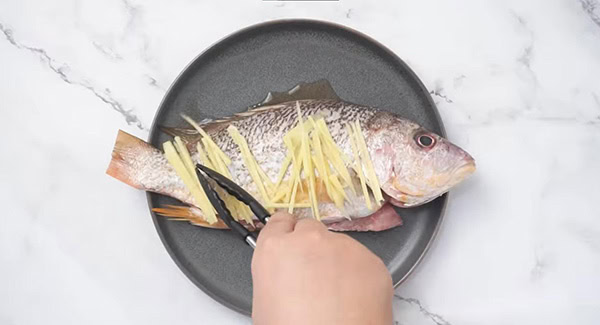
First things first, give the fish a good clean. Remove the scales, guts, and gills, then pat it dry with a paper towel. In a small bowl, mix up the soy sauce mixture and set it aside. Place the fish on a plate and drizzle 1 tablespoon of Shaoxing wine over it. Then, take half of the ginger strips and place them on top of the fish. You’re all set for the next steps!
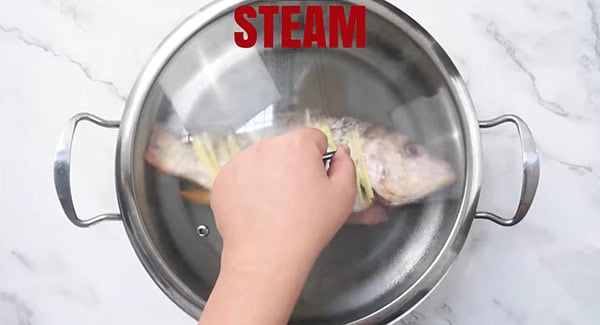
Now, get your steamer ready by heating it up with enough water to steam the fish. Let the water come to a boil. Once it’s boiling, carefully place the fish inside the steamer and cover it with the lid. Set your timer for 8 minutes, and let the magic happen!
Pro Tip: Placing ginger strips on top creates a concentrated aromatic seal. As the water reaches a rolling boil, the steam forces the ginger’s essential oils into the fish. This high-heat environment quickly denatures surface proteins, which helps the fish stay succulent and tender

When the fish is done, carefully take it out of the steamer. Be sure to get rid of the cloudy fish water and the ginger strips from the plate. Now, place the rest of the ginger strips on top of the fish to keep that fresh, aromatic flavor going.

Gemini said
Heat up a pan on high and pour in your cooking oil. Let it reach its smoke point (approx. 400°F/204°C) so it is hot enough to flash-fry the ginger. Once the oil is sizzling, carefully pour it over the fish to bloom the ginger. Then, put the pan back on the stove, add your soy sauce mixture, and give it a good stir.
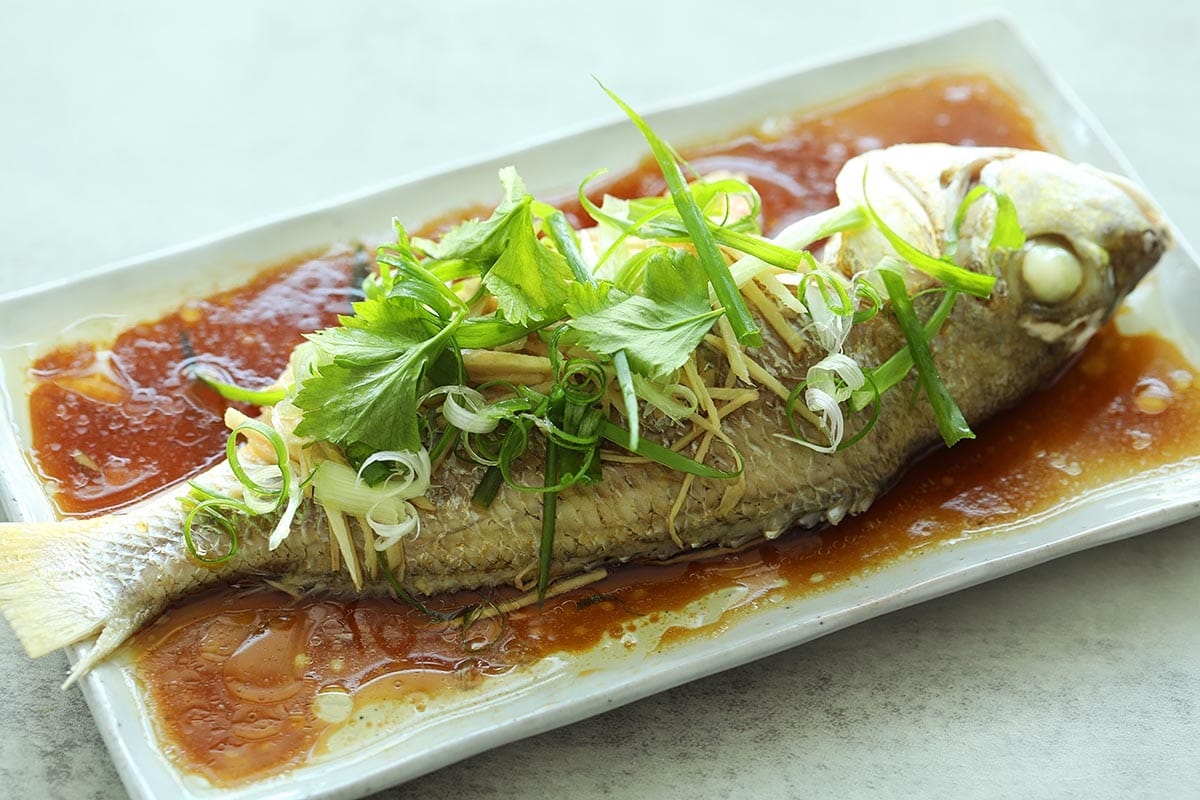
When the sauce starts bubbling, pour it over the steamed fish. Then, top it off with some fresh scallions and cilantro. Serve it right away with a side of steamed white rice, and enjoy!
What To Use Instead Of A Steamer
Even without a steamer or wok, you can still make delicious steamed fish with these simple methods:
Option 1: Use a large pot with a lid.
Place a small heatproof bowl or rack upside down inside the pot. Add about 1 inch (2.5 cm) of water, bring it to a boil, then set your plate of fish on top of the bowl/rack. Cover with a tight-fitting lid and steam as directed.
Option 2: Oven-steam method.
Preheat your oven to 400°F (200°C). Place the fish on a heatproof dish and cover tightly with foil. Place the dish inside a large roasting pan filled with 1 inch of hot water. Bake for 10–12 minutes, depending on the thickness of the fish.
Pro Tip: No matter which method you use, always make sure the water is boiling before you start steaming. That’s the key to keeping the fish tender and juicy.
Helpful Tips For Home Cooks
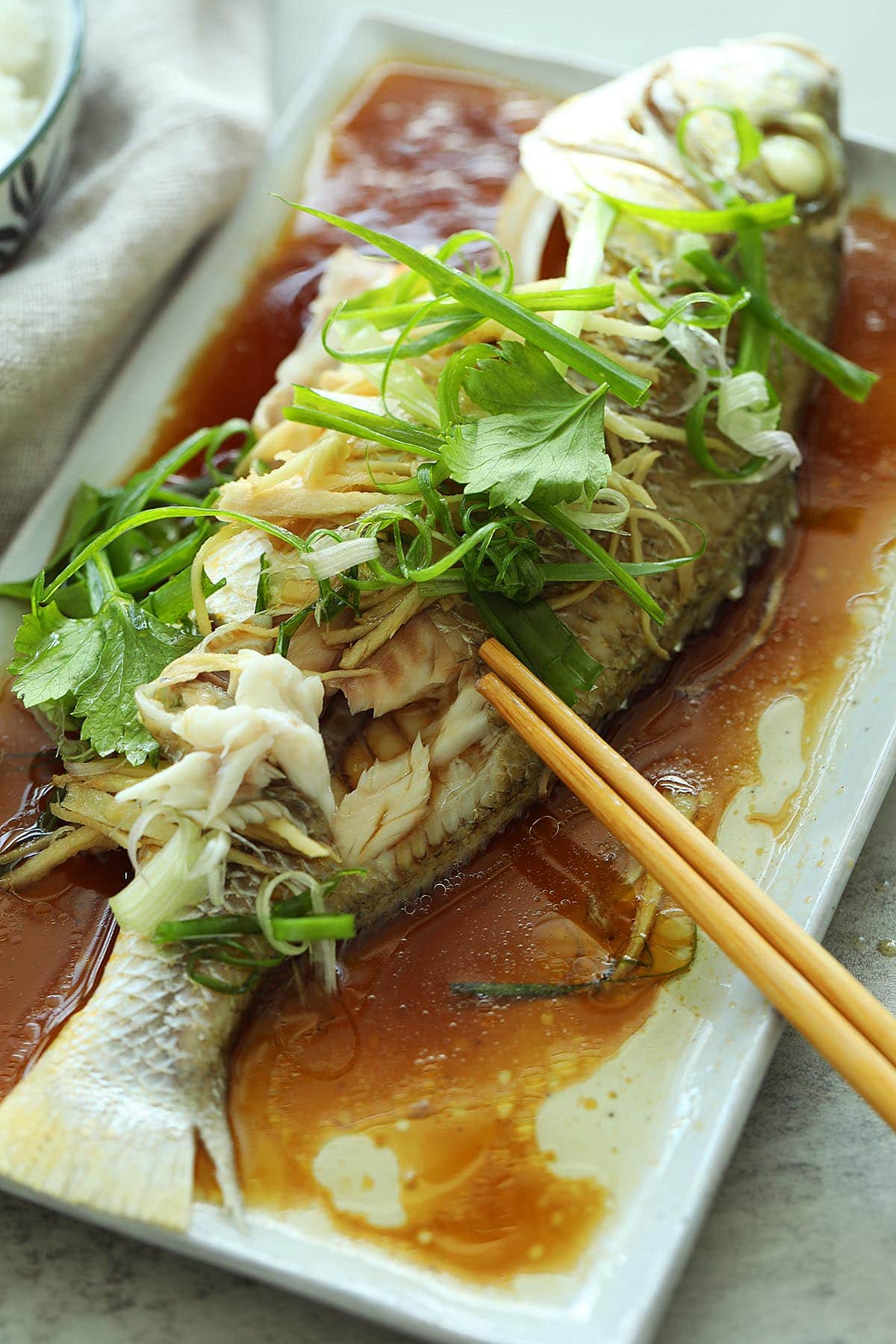
To steam fish at home successfully, having the right tools is crucial. Here are the essential tools you need:
- Steamer: You’ve got options here! Whether it’s a tiered metal or bamboo steamer, an electric steamer, a built-in steam oven, or even a traditional Chinese wok with a lid (just prop it up with a bowl or chopsticks), as long as it’s big enough to fit a whole fish, you’re good to go.
- Plate lifter: This handy tool (also known as a dish lifter or plate gripper) is perfect for safely and securely lifting those hot plates or bowls from your steamer.
- Heatproof plate: You don’t necessarily need one if you’ve got a plate lifter, but if not, a heatproof plate will make transferring everything a whole lot easier.
Pro Tips For Restaurant-style Chinese Steamed Fish
- Fresh fish, preferably alive and swimming in a tank.
- Steam for 8-10 minutes, adjusting to 8 minutes for a smaller fish or 10 minutes for a larger one. Trust your judgment and remember to set your kitchen timer.
- The “eye-pop” marker: For a whole fish, look for the eyes to turn opaque and “pop” slightly out of the sockets. This is the ultimate restaurant-style indicator for a perfectly steamed fish.
- The “chopstick resistance” test: To check for doneness, insert a chopstick into the thickest part of the fish behind the head. If it slides through to the bone with zero resistance, it is done. This prevents the rubbery texture that comes from even 60 seconds of overcooking.
- Discard the fishy, cloudy liquid on the plate after steaming. This water contains denatured proteins called albumin and residual fish blood, which are the primary sources of trimethylamine, the compound that causes fishy odors and a bitter taste. Draining it completely creates a clean, restaurant-quality flavor that lets the natural sweetness of the fish shine.
- Rock sugar is the secret behind the exceptional flavor of the soy sauce mixture. Ever wondered why it’s so delicious you can eat plain steamed rice with it? Now you know.
Frequently Asked Questions
A wok or large steaming pot with a fitted lid is essential for steaming fish. Additionally, you’ll need a steaming rack or improvised setup to keep the fish elevated above the boiling water. You may use a small inverted bowl or two pairs of chopsticks laid criss-cross to prop up the fish. A kitchen timer is handy to ensure precise cooking times.
Opt for fresh, whole fish with clear eyes, shiny scales, and a firm texture. Common choices include sea bass, snapper, or tilapia. Live fish is preferred for the freshest flavor, but if unavailable, ensure your fish is as fresh as possible, or you may use frozen fish fillets.
While whole fish is the traditional choice, you can totally swap it out for fish fillets if you’re looking for something quicker and easier. Just steam them for about 4-6 minutes, depending on how thick the fillets are.
You can definitely double it, but keep in mind that soy sauce can be pretty salty. I recommend tasting it as you go and adjusting if needed—maybe add a bit of water or sugar to balance the saltiness. That way, you’ll get the extra sauce without it being too overpowering!
If you are steaming a whole fish, the eyeballs will no longer be translucent; in fact, they will turn opaque or white in color. When fish fillet is cooked, it turns opaque and white in color and flakes easily.
This recipe is only 277 calories per serving.
What To Serve With Steamed Fish
Serve this dish with other Chinese classics such as Hot and Sour Soup or Watercress Soup. For a wholesome Chinese meal at home, I recommend the following recipes.
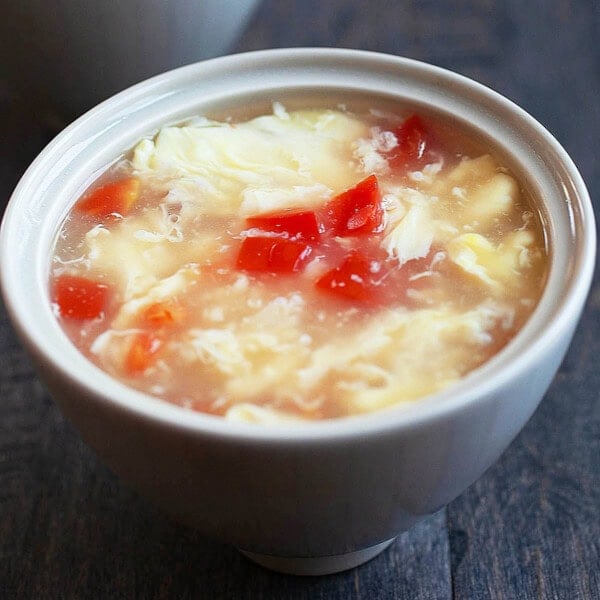
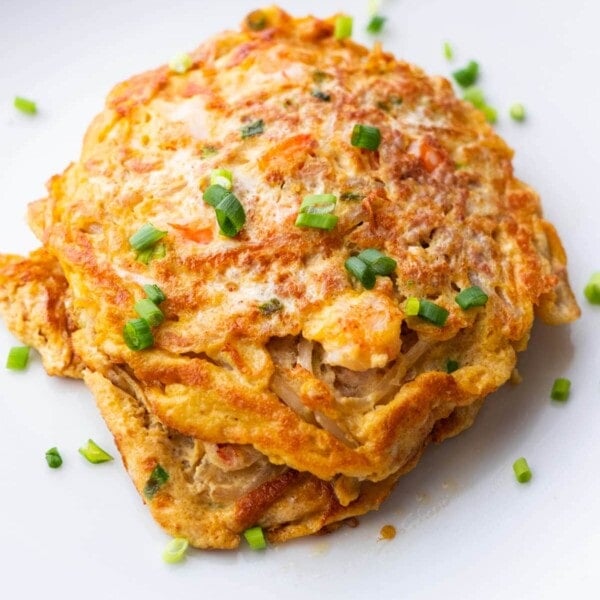
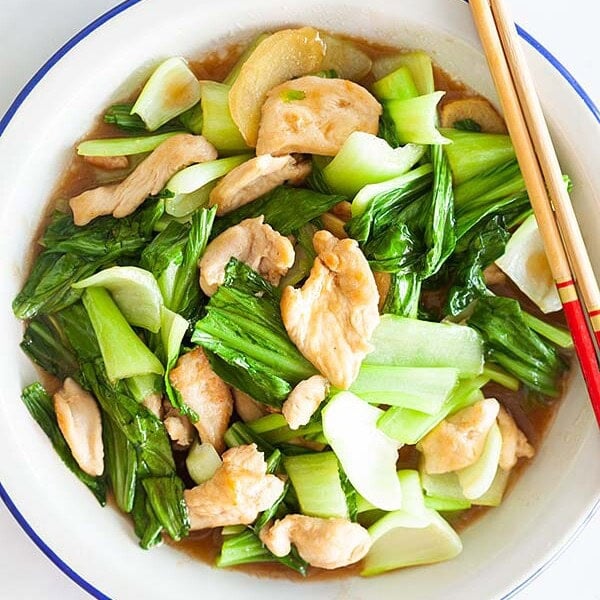

I hope you enjoy this post as much as I do. If you try my recipe, please leave a comment and consider giving it a 5-star rating. For more easy and delicious recipes, explore my Recipe Index, and stay updated by subscribing to my newsletter and following me on Facebook, Pinterest, and Instagram for new updates.
Other Recipes You Might Like
- Steamed Fish Sauce
- Sweet and Sour Fish
- Grilled Fish with Banana Leaf
- Ginger Scallion Fish
- Fish with Black Bean Sauce
- How to Make Fish Balls
- Chinese Steamed Chicken
- Chinese Steamed Shrimp
- Ginger Soy Fish
- Thai Fish Curry
- Asam Pedas Fish
- Spicy Grilled Fish
Steamed Fish
Ingredients
- 1.5 pound (650g) live fish
- 2 inches ginger, peeled and cut into thin strips
- 1 stalk scallion, cut into 2-inch length (5-cm), and then cut into thin silken threads
- cilantro leaves, for garnishing
- 2 tablespoons cooking oil
- 1 tablespoon Shaoxing wine , or Chinese rice wine
Steamed Fish Soy Sauce Mixture:
- 4 tablespoons light soy sauce
- 2 tablespoons Shaoxing wine , or Chinese rice wine
- 2 tablespoons water
- 1 teaspoon sesame oil
- 3 dashes white pepper powder
- 1 tablespoon rock sugar , or sugar, or more to taste, if using rock sugar, break and grind it into powder form
Instructions
- Clean the fish thoroughly by removing scales, guts, gills, etc., and then pat it dry. Combine the Steamed Fish Soy Sauce Mixture in a small bowl and set it aside. Place the fish on a plate and drizzle 1 tablespoon of Shaoxing wine over the fish. Top the fish with half of the cut ginger strips.
- Heat up a steamer with enough water for steaming. Wait until the water boils. Once it reaches boiling point, place your fish inside the steamer, cover the steamer with its lid. Set your kitchen timer to 8 minutes.
- Once the fish is steamed and cooked, carefully transfer it from the steamer. Dispose the cloudy and fishy water and ginger strips. Arrange the remaining ginger strips on top of the steamed fish.
- Heat a pan over high heat and add the cooking oil. Swirl it around until it's hot. Pour the hot oil over the steamed fish. Return the pan to the stove, add the Steamed Fish Soy Sauce Mixture, and stir well.
- Once the sauce bubbles up, pour it over the steamed fish. Top with scallions and cilantro leaves, serve the steamed fish immediately with steamed white rice.
Video
Notes
- Fresh fish, preferably alive and swimming in a tank.
- Steam for 8-10 minutes, adjusting to 8 minutes for a smaller fish or 10 minutes for a larger one. Trust your judgment and remember to set your kitchen timer.
- After steaming, discard the fishy and cloudy fish water seeping out during the steaming process. Contrary to common belief, it doesn’t enhance the flavors of a steamed fish dish. If anything, it may impart a bitter and fishy taste if the fish was not properly cleaned.
- Rock sugar is the secret behind the exceptional flavor of the soy sauce mixture. Ever wondered why it’s so delicious you can eat plain steamed rice with it? Now you know.
Nutrition
Nutrition information is automatically calculated, so should only be used as an approximation.






i tried this tonight and I must say it turned out perfectly. A really nice recipe. Many thanks!
Hi Karen, thanks for trying my recipe. Please try more recipes on my site!
great recipe and website. i would like to try the reciple and learn more.
Thanks Carl for your kind comment and 5 star ratings. Please check out more recipes on my site: https://rasamalaysia.com/recipes/
Hi, if I would like to have more sauce, do I double all the ingredients for the Soy Sauce Mixture? Thank you.
Yes, you do. Doubling the sauce might make the steamed fish too salty!
What a delicious recipe! I used tilapia and it was soo good. Thanks for sharing :)
Thanks Likami for trying my steamed fish recipe. I am so glad you enjoyed it. Please try more recipes on my site!
LIVE fish??? How cruel.
Hi Janelle, of course the fish is killed and cleaned before cooking. All the frozen fish we eat were all live before.
Yum! Mine was swimming an hour or so before I cleaned it (I caught it) I’ve never added the ginger before the steaming, nor the drizzle of shaoxing. That was delightful! Thanks!!
:)
Is there a good substitute for rock sugar? I’ve gone to all the supermarkets in my area and a town over and can not find it :(
I am going to try to use light brown sugar tonight with this recipe to see if it might work… I’ve made this dish many times when I lived in different states. Not realizing how hard it is to get rock sugar where I live now.
Just use sugar.
Good