
This post may contain affiliate links. Please read my privacy policy.
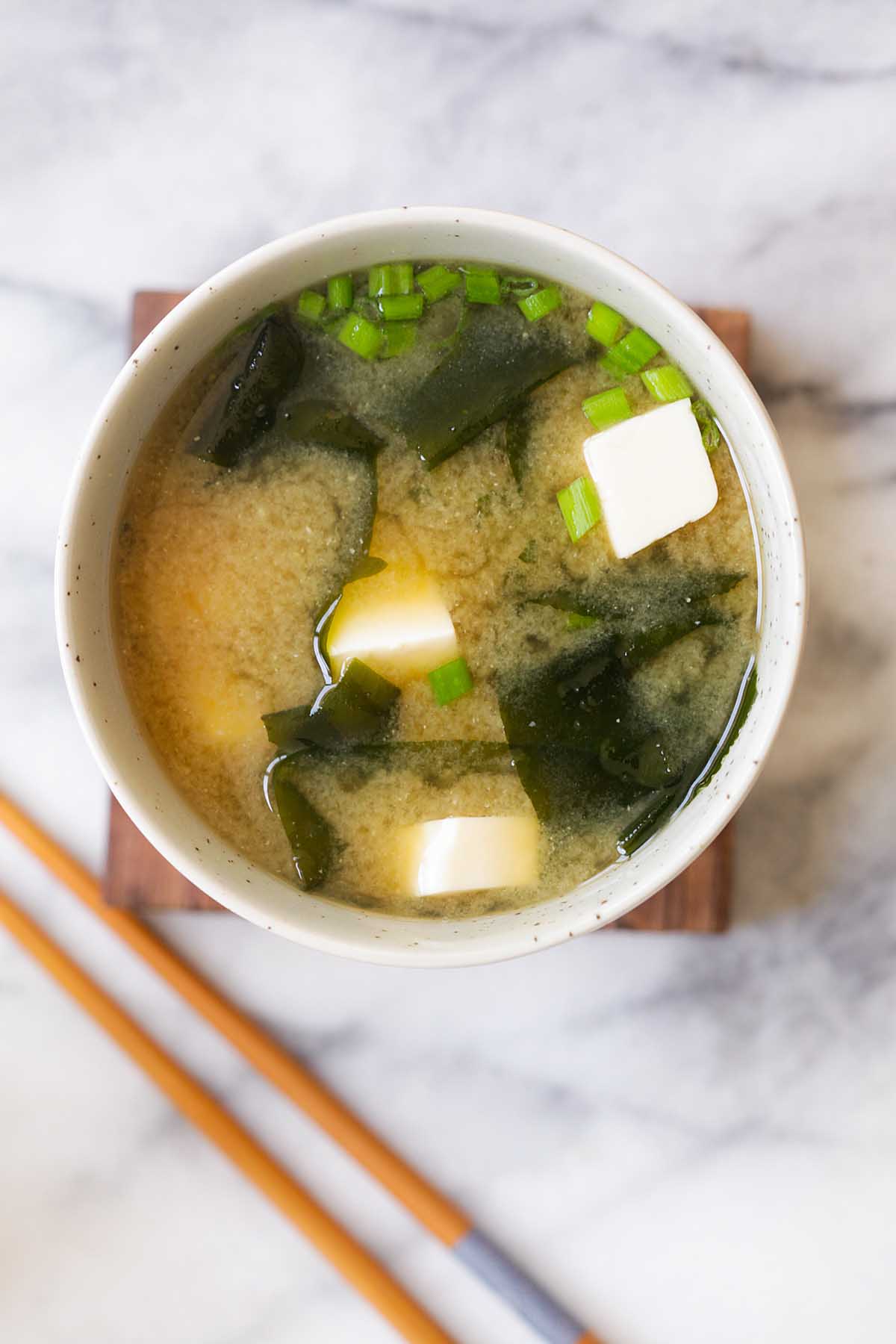
This easy miso soup recipe uses silken tofu and a clear, savory dashi base to create a light, comforting bowl in just 10 minutes. This authentic Japanese staple is a non-greasy, nourishing soup that tastes just like traditional homemade comfort food.
Recipe Summary
- 🔪 Prep Time: 5 minutes
- 👨🍳 Cook Time: 5 minutes
- ⏱️ Total Time: 10 minutes
- 🍽️ Servings: 2 people
- 🏷️ Calories: ~123 calories
- 🍳 Cook Method: Simmer
- ✨ Flavor Profile: A light, deeply savory, and umami-rich broth balanced by delicate silken tofu and seaweed
- 🧩 Difficulty: Very easy (Perfect for a quick and comforting side dish)
SUMMARIZE AND SAVE THIS CONTENT ON
Homemade Miso Soup
This homemade miso soup is the soul of Japanese home cooking. It is a simple combination of dashi and fermented soybean paste (miso) used in many traditional meals. I always use my homemade Dashi for this miso soup recipe because it gives a much cleaner, more toasted aroma than any instant powder. If you have not tried making your own stock yet, you should definitely check out my Dashi Recipe to learn how to get that perfect, golden clarity without any fishy smell. This version uses silken tofu and dried wakame seaweed for a delicate, smooth texture.
My son and I often enjoy a warm bowl with Teriyaki Salmon and white steamed rice for a quick and easy weeknight dinner. While you can find instant packets at the store, I prefer making homemade miso soup from scratch to keep the broth crystal clear and the miso flavor bright. This recipe is perfect for beginners because it is mostly just simmering and stirring. Once you have mastered these basic steps, you can skip the instant packets and enjoy a clean, umami-rich bowl that warms you from the inside out.
The Secret To A Great Miso Soup Base
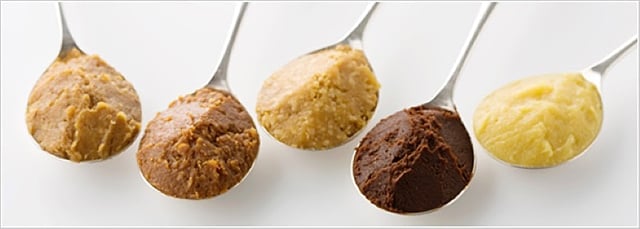
A high quality result relies on the right choice of fermented paste. Miso is a very healthy ingredient because it is made of fermented soybean paste (miso), which provides beneficial probiotics and helps with digestion. While there are three main types (yellow, red, and white), the specific brand you choose determines the final depth of your soup. For a classic miso soup, I personally prefer using Enjuku Koji miso or white miso for a smoother, milder taste.
For this recipe, I used Hikari Miso Enjuku Koji Miso. I highly recommend this because it uses a traditional steaming process and a high volume of rice koji. This gives the soup a naturally sweet, rich flavor and a smooth texture that blends perfectly into the dashi. Unlike cheaper brands that use additives, this one has a very clean ingredient list, which helps your soup taste authentic. You can usually find this specific brand in the Japanese aisle of well-stocked grocery stores or at any dedicated Asian supermarket.
Check out the shopping guide below to see how each type of miso paste affects the final flavor of your soup. To learn more about miso nutrition and benefits, check out this article at Japan Info.
Shopping Guide: Choosing The Right Miso
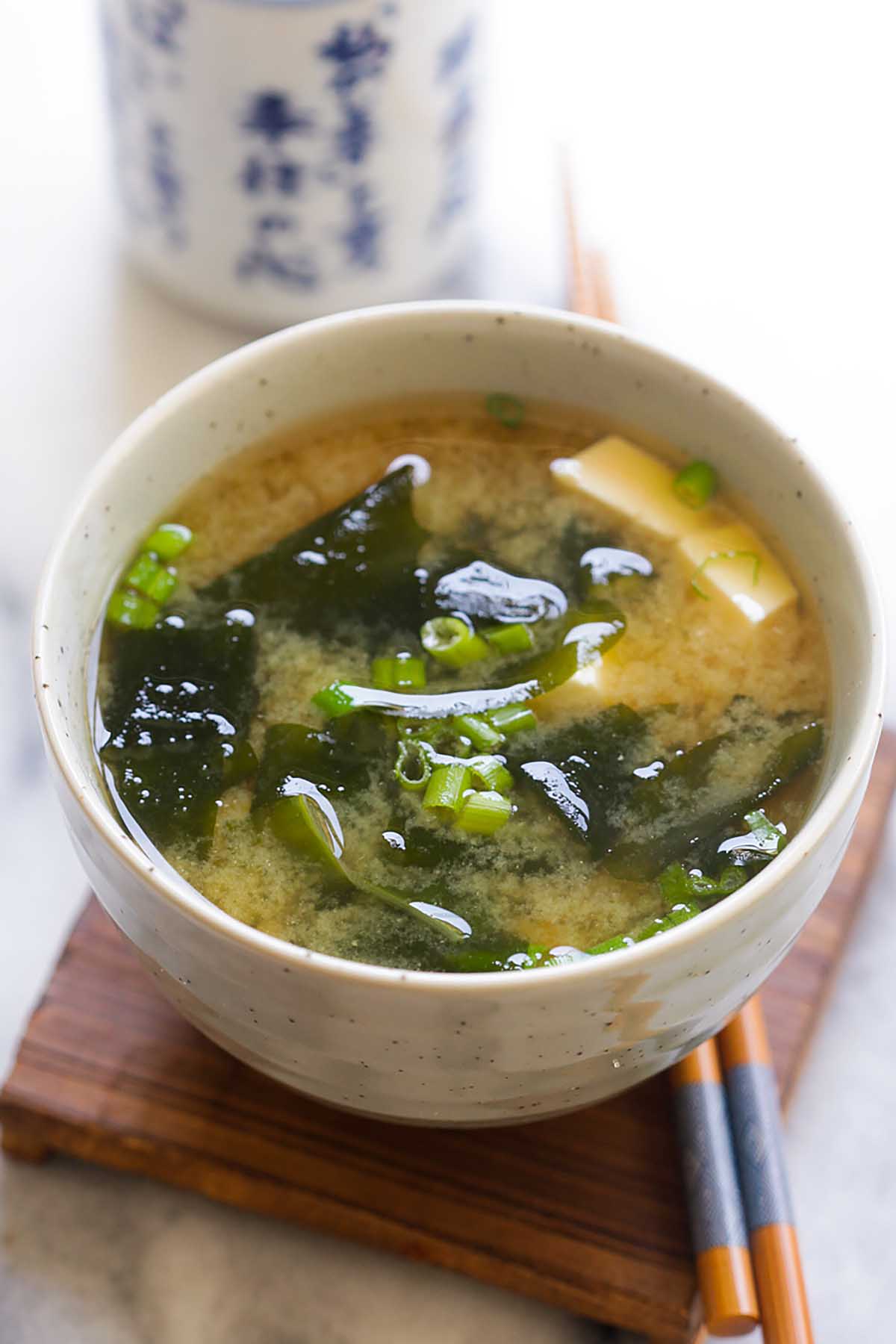
If you cannot find the Hikari Enjuku Koji variety, you can still make a delicious bowl by choosing one of these common options. Each one will give your soup a completely different character:
- White Miso (Shiro Miso): Mild, sweet, and creamy. It is fermented for a short time and is perfect for a light, refreshing soup.
- Red Miso (Aka Miso): Strong, salty, and pungent. It is fermented longer for a deep, complex umami punch and a heartier bowl.
- Yellow Miso (Shinshu Miso): Earthy and balanced. This is a great all purpose choice that sits right between white and red for a classic savory taste.
- Awase Miso: A blend of red and white. It offers a well rounded flavor that combines subtle sweetness with rich depth.
Recommended Brands: Hikari Miso, Marukome, and Miko Brand
These are the most reliable and legendary brands you can find. They offer high quality, additive free options that stay consistent in flavor. You can easily find their products in most Asian grocery stores or the international aisle of larger supermarkets for a very authentic home cooked taste.
Ingredients You’ll Need
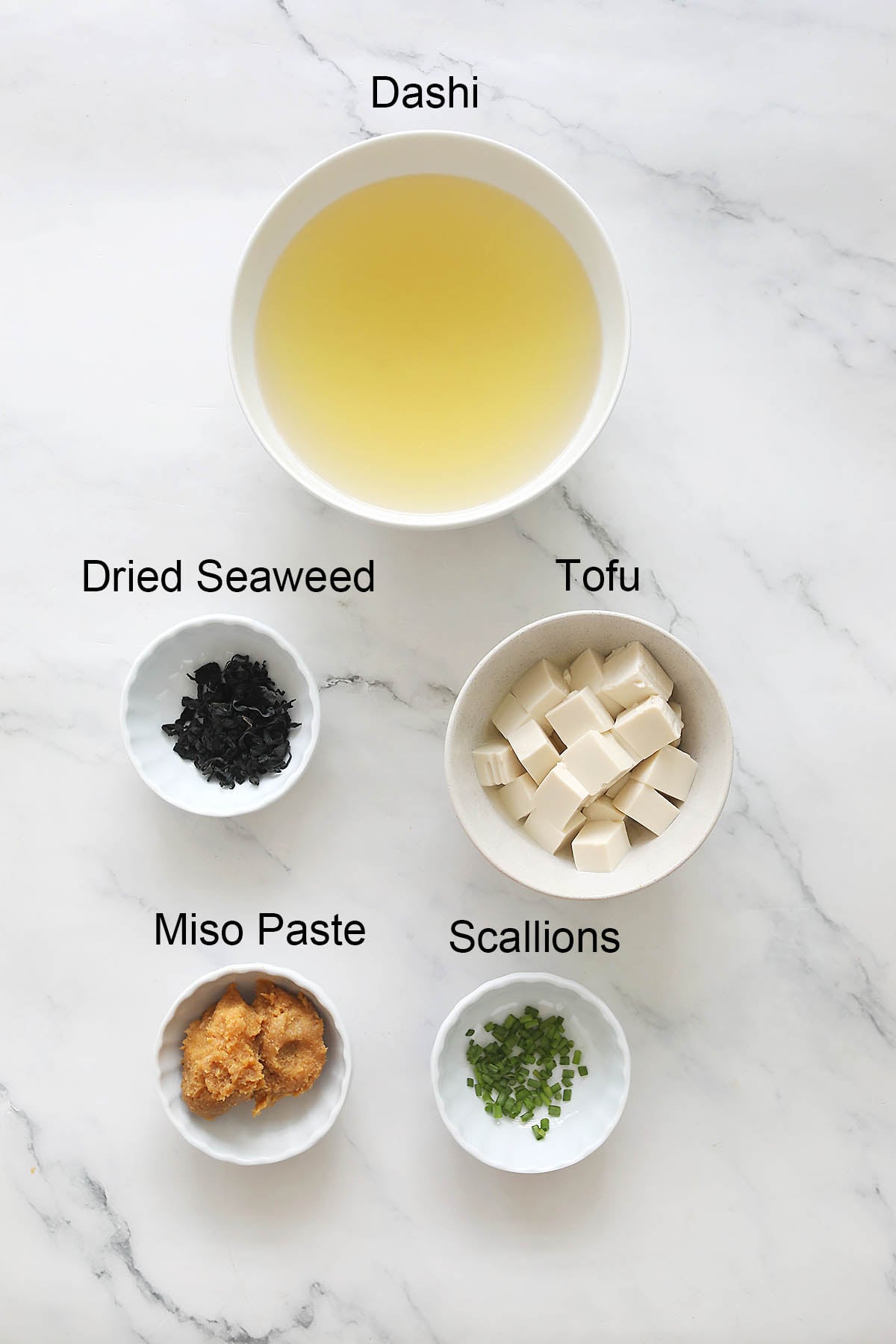
- Dashi
- Dried seaweed
- Silken tofu
- Miso paste
Be sure to check out the recipe card at the bottom of this post for the full ingredient details.
Pro Tip #1: Why Homemade Dashi Matters
I always use homemade dashi because it provides a clean, toasted aroma that you just cannot get from a powder. It forms a savory foundation that brings out the quality of the miso rather than masking it with a fishy aftertaste.
Pro Tip #2: Why I Use Silken Tofu (And Avoid Firm Tofu)
I use silken tofu because it is incredibly soft and practically melts in your mouth. I don’t recommend firm tofu for this soup as it is too dense and rubbery, whereas silken tofu creates a much smoother, luxurious bowl.
Shopping Guide: Dried Seaweed
When you are at the store, look for Dried Wakame Seaweed. It usually comes as tiny, shriveled black flakes in a small bag. Make sure you do not buy Nori (flat sushi sheets) or Kombu (thick kelp for broth). Wakame is the only one that rehydrates into the soft, silky leaves perfect for soup. I recommend buying “cut wakame” so it is already bite-sized and ready to use.
How To Make Miso Soup
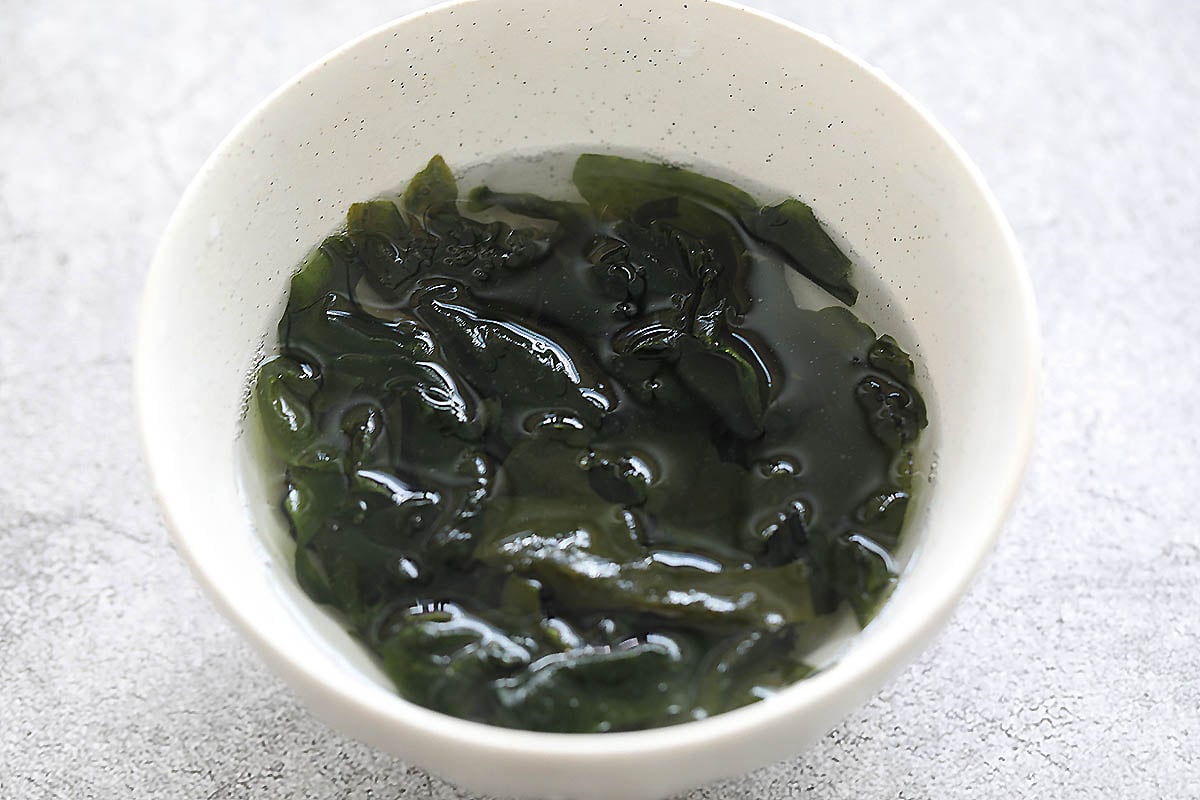
First, grab your dried seaweed and let it soak in a bowl of water. It is instant! You will see those tiny black flakes expand into beautiful, tender green leaves in 1 minute or less. Once they are soft, drain the water well and set them aside.
Pro Tip: I don’t recommend adding dried seaweed directly to the pot as it can release excess salt and tiny debris into your broth.
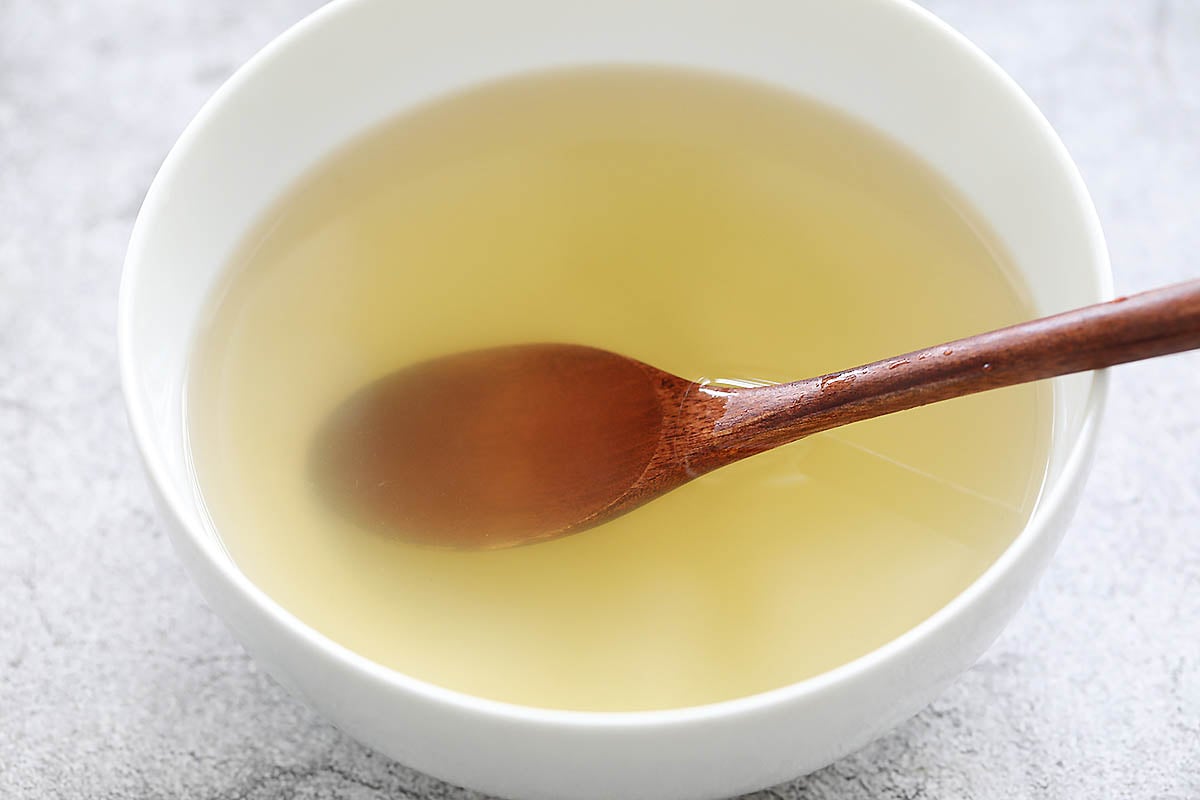
Pour your homemade Dashi into a pot and bring it up to a boil over medium heat. Carefully slide in your silken tofu cubes and the soaked seaweed. Let everything simmer together for exactly 3 minutes to heat through.
Pro Tip: I always time the simmer for exactly 3 minutes. This is just enough time to heat the silken tofu all the way through without it breaking apart or losing that delicate, custard-like texture in the hot broth.
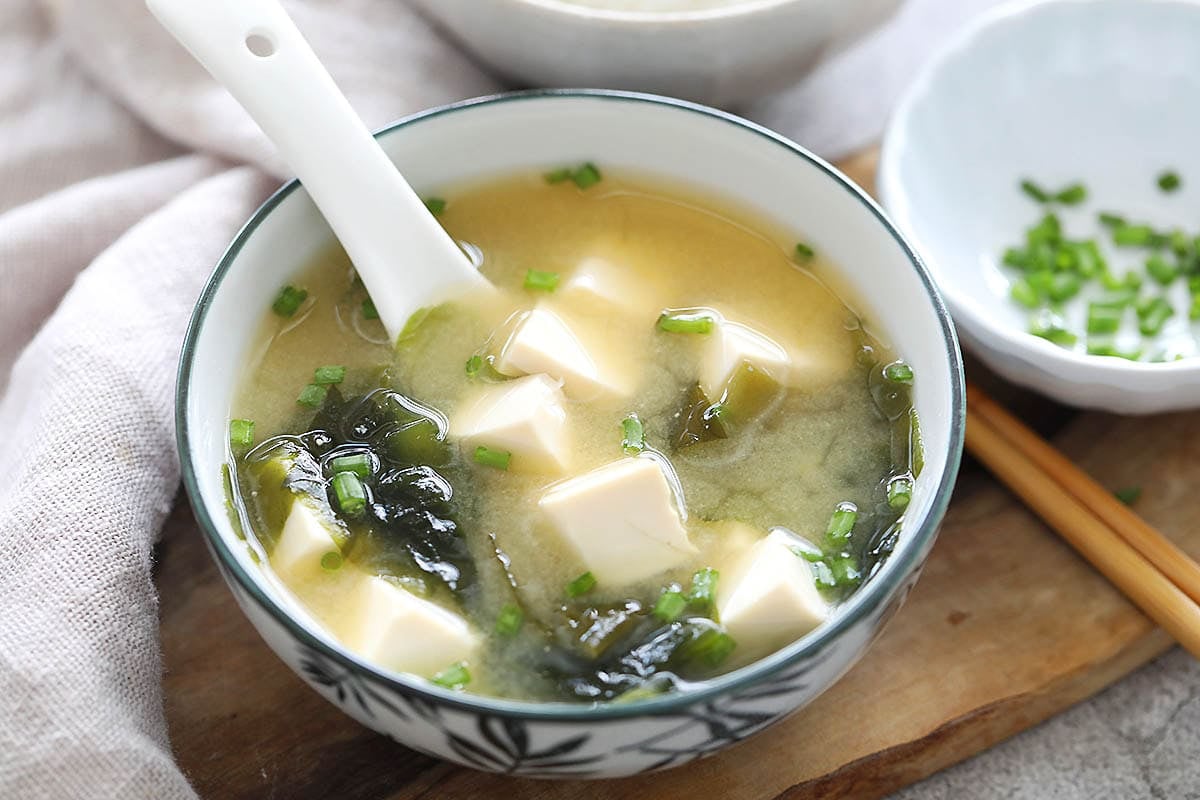
Now, this is the most important part! Turn off the heat completely. Take your miso paste and add it directly to the pot. Use your chopsticks or a spoon to stir it gently until the paste is fully dissolved and the broth looks cloudy and rich. Top it with some fresh scallions and serve it while it is hot.
Pro Tip: I always turn off the heat before adding the miso. Boiling the paste kills off the healthy probiotics and ruins that fresh, slightly sweet fragrance.
Frequently Asked Questions
A good rule of thumb is about 1 tablespoon of miso paste for every 1 cup (250ml) of dashi. If you are using a very strong red variety, start with half a tablespoon and taste as you go.
It is normal for the sediment to settle at the bottom of the bowl after sitting for a few minutes. Just give it a quick stir with your spoon or chopsticks to bring that cloudy, rich texture back.
Store any leftovers in an airtight container in the fridge for up to 2 days. Keep in mind that the tofu and seaweed might soften further the longer they sit in the liquid.
Pour the broth into a small pot and heat it over a low flame until it is just warm enough to eat. Do not let it reach a rolling boil, as this ruins the delicate flavor of the paste.
I do not recommend freezing it. The texture of the silken tofu will change completely and become spongy or rubbery once thawed.
This recipe is only 123 calories per serving.
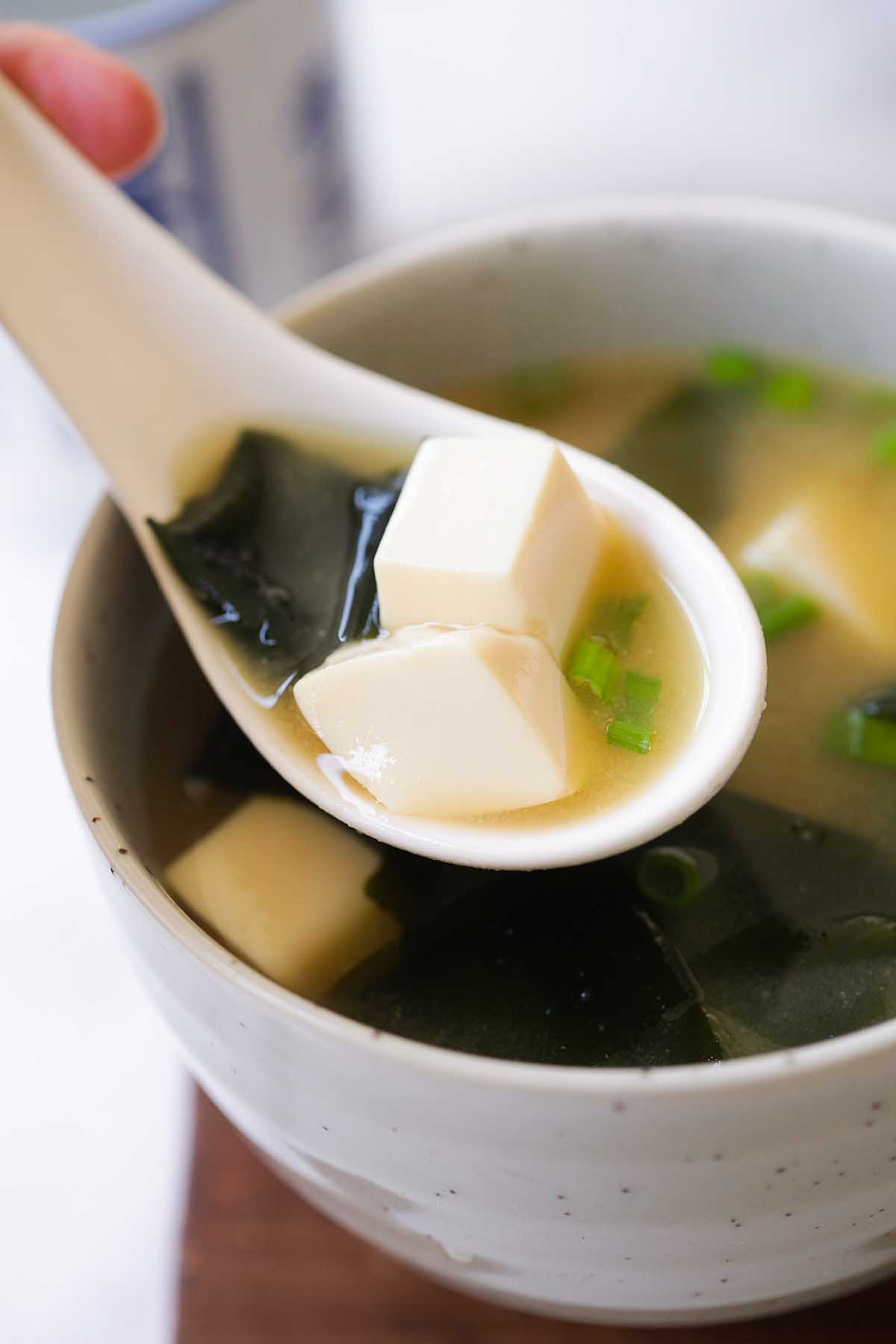
What To Serve With This Recipe
This meal is best served with steamed rice. For a wholesome Japanese meal and easy weeknight dinner, I recommend the following recipes.
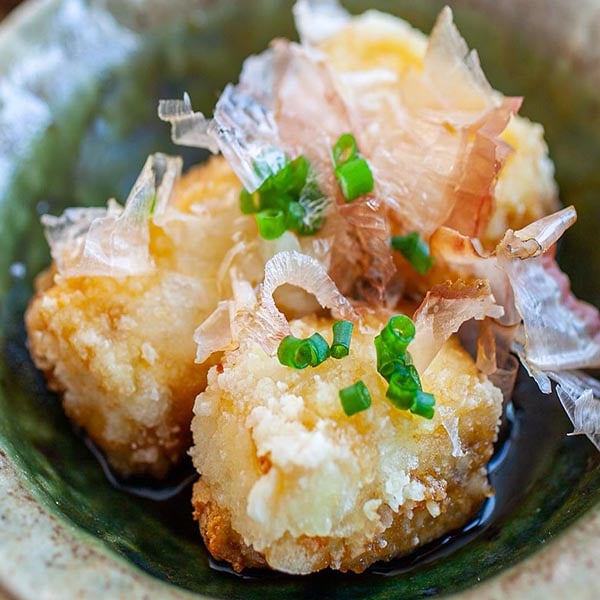
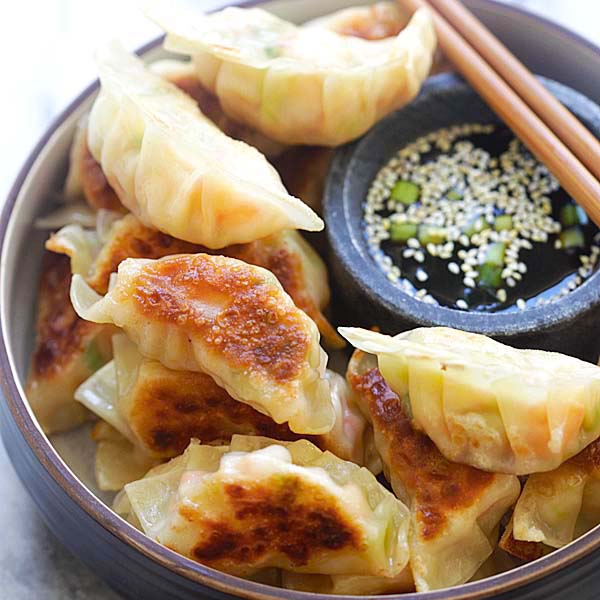

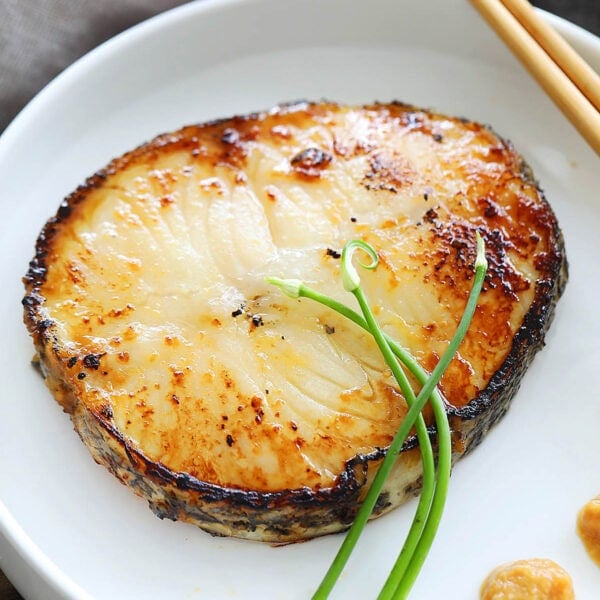
I hope you enjoy this post as much as I do. If you try my recipe, please leave a comment and consider giving it a 5-star rating. For more easy and delicious recipes, explore my Recipe Index, and stay updated by subscribing to my newsletter and following me on Facebook, Pinterest, and Instagram for new updates.
Other Soup Recipes You Might Like

Miso Soup Recipe
Ingredients
- 2½ cups Dashi
- 1 heaping tablespoon dried seaweed
- 4 oz silken tofu, cut into small pieces
- 2-2½ tablespoons miso paste, or to taste
- 1 tablespoon scallion, chopped
Instructions
- Soak the dried seaweed, then drain well.
- Bring the dashi to a boil. Add the seaweed and tofu, and cook for 3 minutes.
- Turn off the heat and add the miso paste. Stir with chopsticks until fully dissolved. Top with scallions and serve immediately.
Video
Notes
Nutrition
Nutrition information is automatically calculated, so should only be used as an approximation.






I made this tonight and it was a HUGE HIT! My only feedback is that it was a little more seaweed than I prefer so I will cut it back a little next time. Thank you!!
:)
Can you add spinach or baby boc choy to soup and at what stage? Thx
Towards the end of cooking the soup you can add.
What seaweed to we add? Is Kombu only used to make the Dashi?
Yes kombu is used to make dashi.
I soaked the seaweed in warm water and then drained but it dissolved in the soup and it became black goop. Is there a particular kind of seaweed to use?
You have used the wrong seaweed it seems.
How long does Meso paste last in fridge ?
Check the expiration date.
You can freeze miso paste. It still stays “scoopable” even when frozen and will make it last a lot longer. Keep in an airtight container. If merely refrigerated it will go bad much sooner than if frozen.
Hi Rasa,
For the dried seaweed to soak in warm water, is sushi nori, roasted seaweed, the right kind of dried seaweed? I bought Yatta! Brand, and now I wonder if I bought the wrong kind.
You got the wrong seaweed.
You need Wakame seaweed. This is actual seaweed in a dried form. Sushi nori seaweed is pieced together and will turn into back goop when put in soup
I am unclear whether I am to discard the kombu after boiling it (but before adding Bonito flakes). It says to discard the bonito flakes after boiling, but does not tell me whether to discard the kombu after removing from the broth, or add it back with the “seaweed”. If kombu is seaweed, then I would add it back later but if not, I would discard it.
Kombu is always discarded.
Thanks. I hadn’t looked at the kombu first – it’s like a solid sheet of thick seaweed leaf. So it is used like a bay leaf in Asian soups (add for flavor then discard). I made the miso soup without kombu a few times first and it tasted delicious as well. I added a little fish sauce at the end (don’t boil it) to give it some salty umami-ness. Great recipe – one I will now make often. Light, nutritious, delicious.
Nice!
Making this miso soup this afternoon, 5 stars!! I absolutely love everything on your website. Directions are always simple and ingredients are never hard to find at my local Asian market. (I spend a fortune every time I go!) anyway wanted to say thank you for a fabulous site. I look forward to whatever comes next!
Thanks :)
Seems like a lot of seaweed once rehydrated and not enough liquid in the soup
Add water if reduces too much. You can cut down the seaweed.
Do you know a good brand for 1) dashi, 2) kombu, & 3) Bonita flakes. Also, where can I get them online as I live in a little town in MA.
Thanks.
Maria
Any brand is fine.
This will be my breakfast tomorrow morning! Thanks for reminding me! I have all the ingredients. :-)
~ Nicole ~