
This post may contain affiliate links. Please read my privacy policy.
This easy homemade Kung Pao sauce is sweet, savory, and perfectly balanced with the deep, malty tang of Chinese black vinegar. It comes together in minutes and is incredibly versatile, making it the perfect restaurant-style glaze for chicken, beef, shrimp, or tofu.
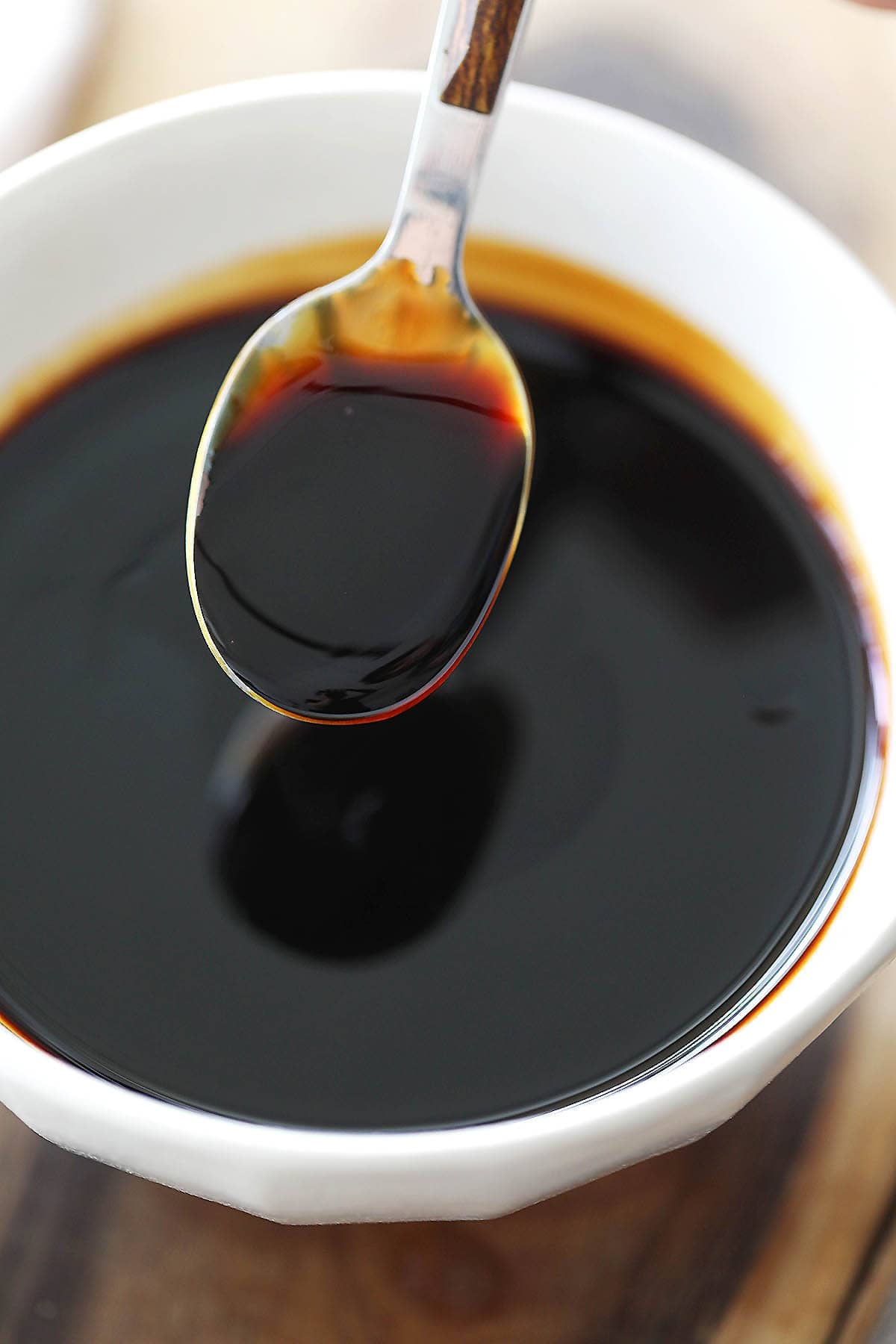
Recipe Summary
- 🔪 Prep Time: 2 minutes
- 👨🍳 Cook Time: 3 minutes
- ⏱️ Total Time: 5 minutes
- 🍽️ Servings: 1/2 cup
- 🏷️ Calories: ~86 calories
- 🍳 Cook Method: Simmer
- ✨ Flavor Profile: A sweet and savory glaze with the deep, malty tang of Chinese black vinegar
- 🧩 Difficulty: Very easy (Perfect for whipping up a quick restaurant-style stir fry glaze)
SUMMARIZE AND SAVE THIS CONTENT ON
Easy Kung Pao Sauce Recipe
This easy Kung Pao sauce recipe is my tried and tested version, just like the one in my Kung Pao Chicken recipe. I just love how this sauce coats every piece of meat in a glossy, mahogany glaze. It is bold, savory, and has that classic tangy finish that instantly wakes up a dish without being too salty.
I wanted a version that is simple, reliable, and super easy to make at home. Using just soy sauce, Chinese black vinegar, and a little sugar, you can whip up this sauce in minutes. This versatile homemade Kung Pao sauce works not just with chicken, but also with beef (like my Kung Pao Beef), shrimp (like my Kung Pao Shrimp), or even crispy fried tofu. My son loves the savory sweetness of this sauce, which makes it a regular in our house on nights when I need something quick but still really satisfying. If you have ever ordered Kung Pao from takeout and wished you could recreate that signature tangy, savory balance at home, this is the one to keep in your back pocket.
Shopping Guide: Choosing The Right Sauce Ingredients
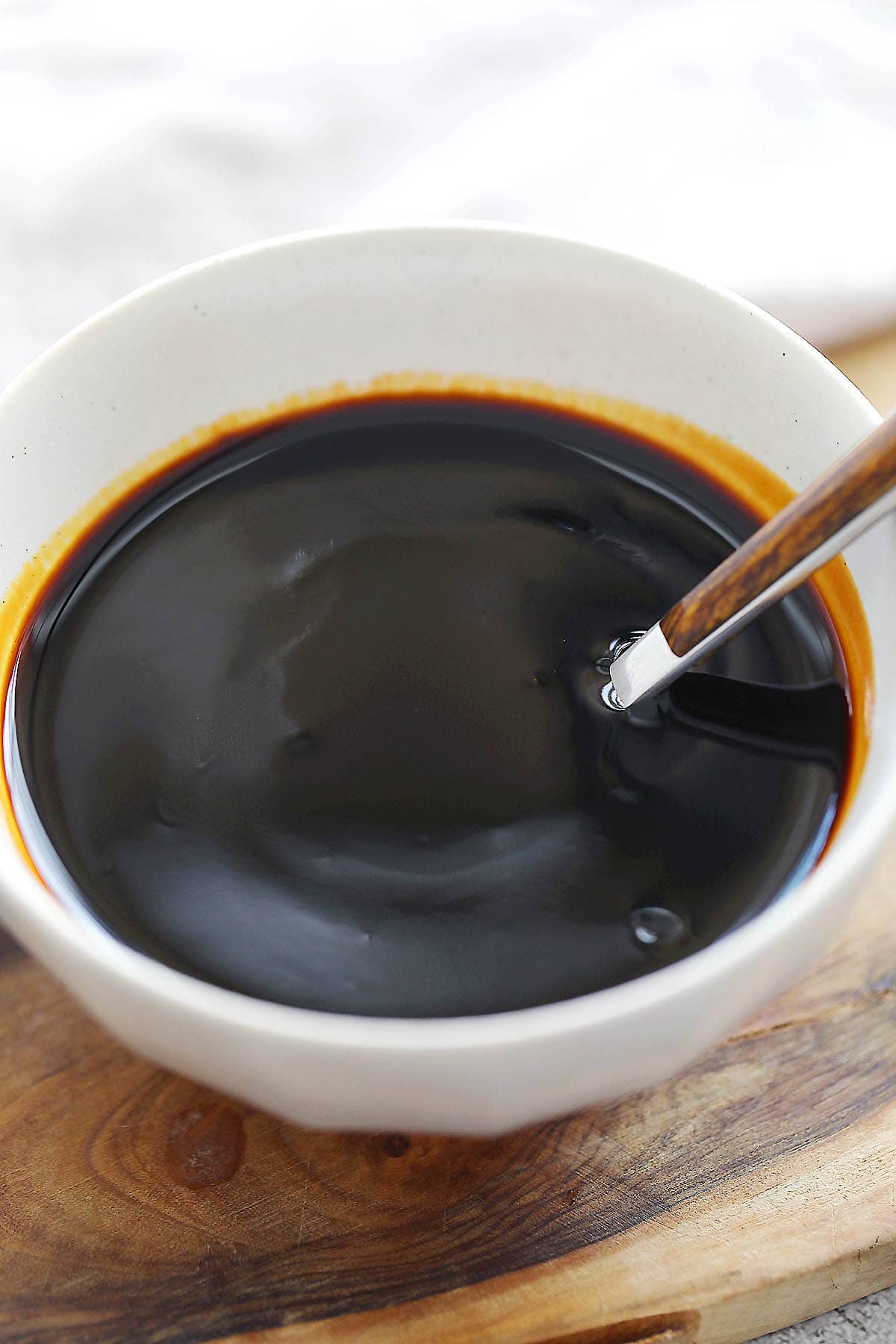
Not all store-bought sauces are created equal. Pre-made Kung Pao bottles are often too sweet or lack that fresh, vinegary brightness. My homemade version is light and glossy, with just the right touch of sugar and cornstarch to thicken without weighing down your dish.
- Chinese Black Vinegar: Look for Chinkiang black vinegar. It usually comes in a glass bottle with a distinctive yellow and gold label (the Gold Plum brand is the most common). If you cannot find that, Hengshun or Koon Chun are great alternatives. It has a deep, malty tang that is much more complex than regular white vinegar. You can find this at any Asian grocery store or online.
- Soy Sauce: For the best flavor, use a mix of light soy sauce for salt and Lee Kum Kee Premium Dark Soy Sauce for that rich, dark restaurant color. If your store doesn’t carry Lee Kum Kee, Pearl River Bridge or Kikkoman Dark Soy Sauce are excellent swaps. Look for words like “Premium” or “Superior” on the label to get that deep mahogany tint.
- Cornstarch: This is essential for the “cling.” It makes the sauce stay on the food rather than pooling at the bottom of the plate. Any standard brand you have in your baking aisle works perfectly here.
Ingredients You’ll Need
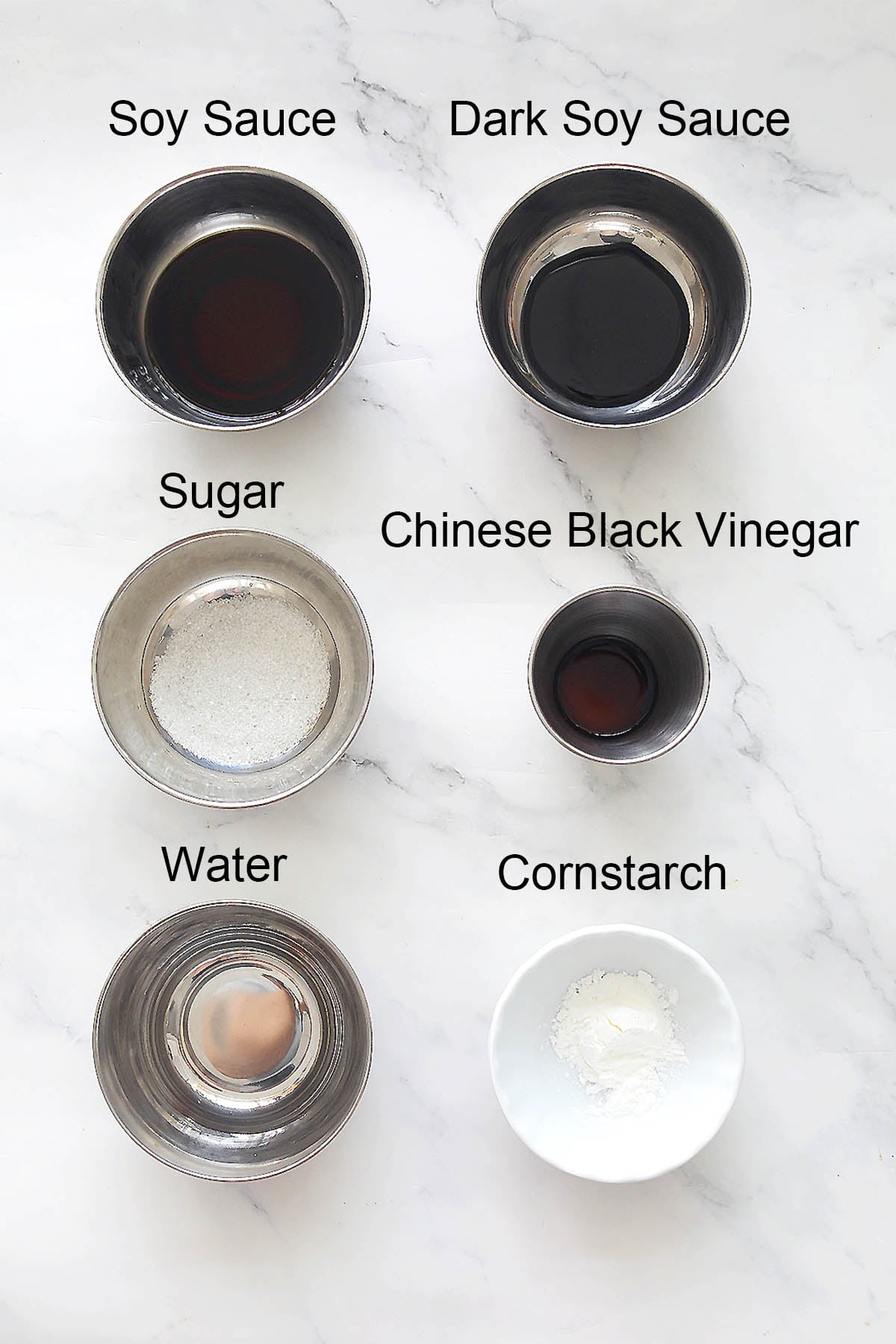
- Soy sauce
- Dark soy sauce
- Sugar
- Chinese black vinegar
Check the recipe card at the bottom of this post for all the ingredient details.
Pro Tip #1: Why I Use Chinese Black Vinegar
Keep in mind this is not regular black vinegar like balsamic or malt vinegar. Chinese black vinegar is fermented from grains like rice and wheat, which gives it a unique, malty tang. It is the real secret to that restaurant aroma and the complex flavor that makes Kung Pao so special. Regular white vinegar is simply too sharp to get the flavor right.
Pro Tip #2: Don’t Skip The Sugar
Sugar balances the tart vinegar and salty soy sauce. It is necessary for that glossy finish and the classic sweet-and-tangy balance. You may adjust the sweetness to your liking, but don’t leave it out!
Pro Tip #3: Cornstarch For Perfect Thickness
This gives the sauce a glossy, clingy texture so it actually sticks to your protein. I don’t recommend substituting with potato starch, as it can make the sauce lumpy or gelatinous when heated.
How To Make Kung Pao Sauce
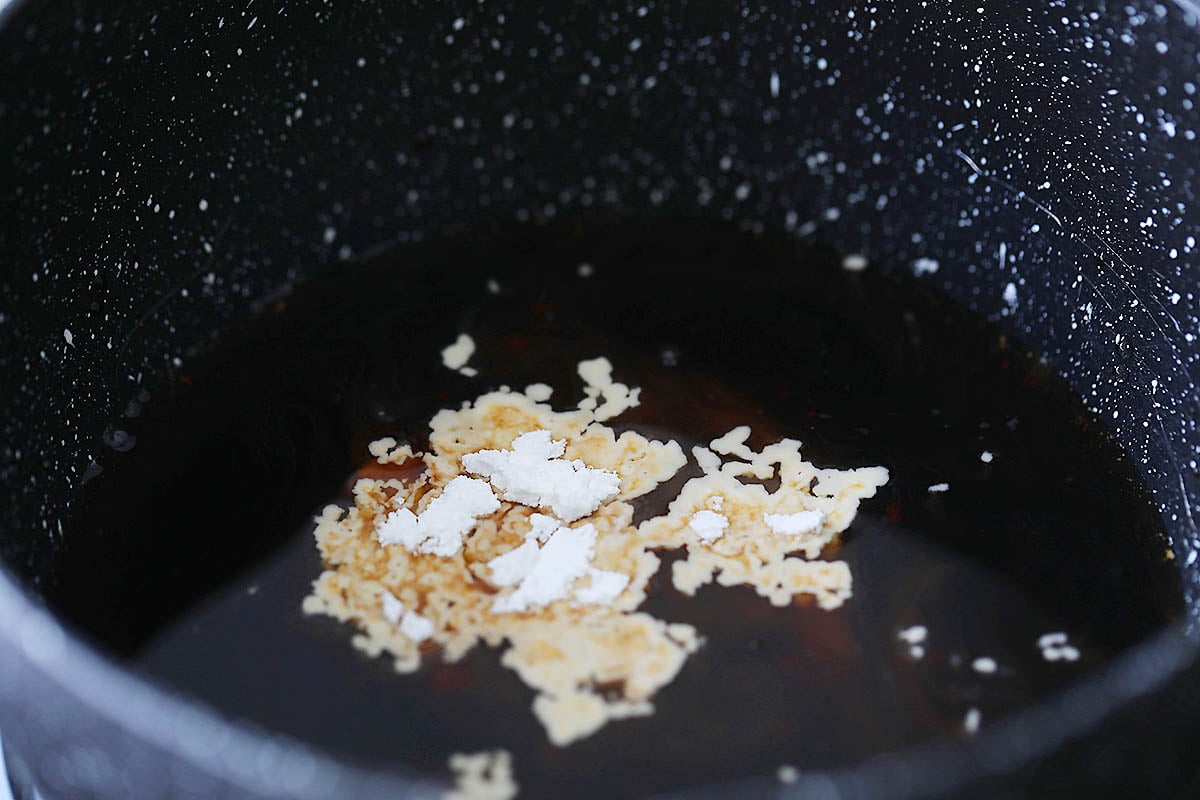
Toss all your ingredients into a small saucepan.
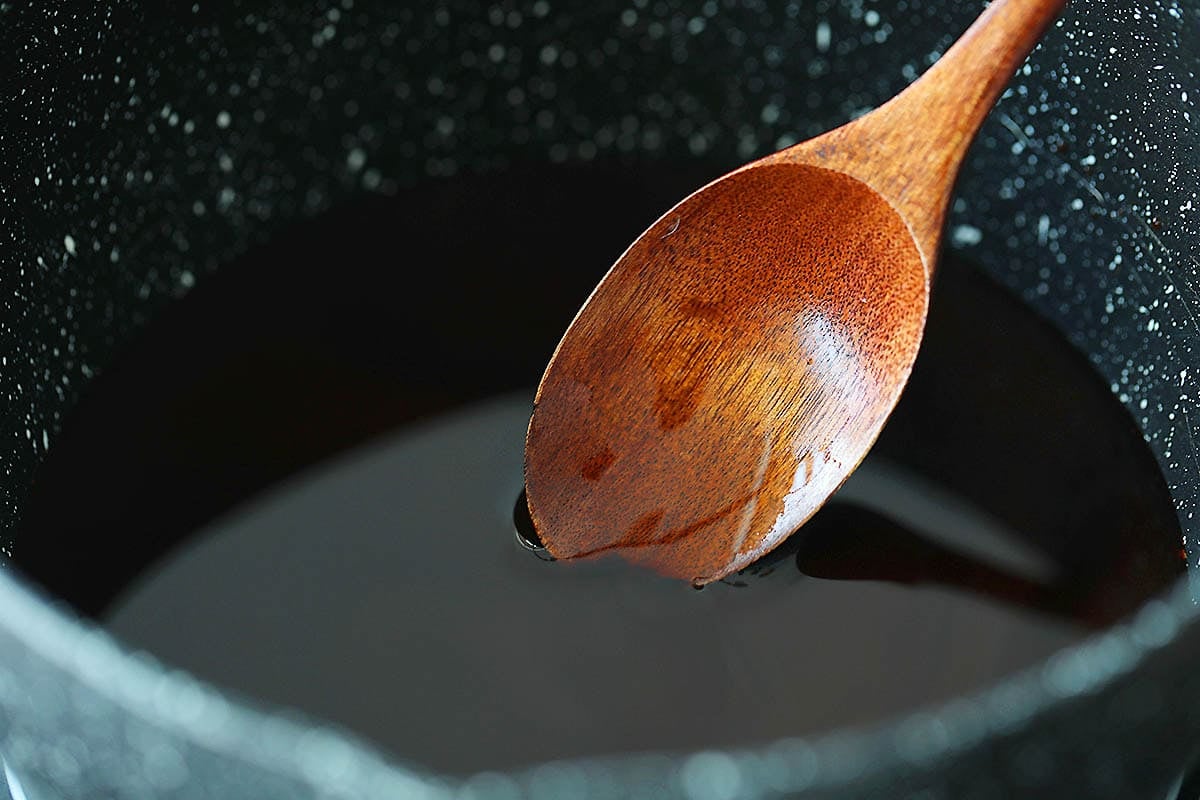
Give it a good stir until the sugar and cornstarch are dissolved. Make sure there are no white clumps hiding at the bottom before you turn on the heat.
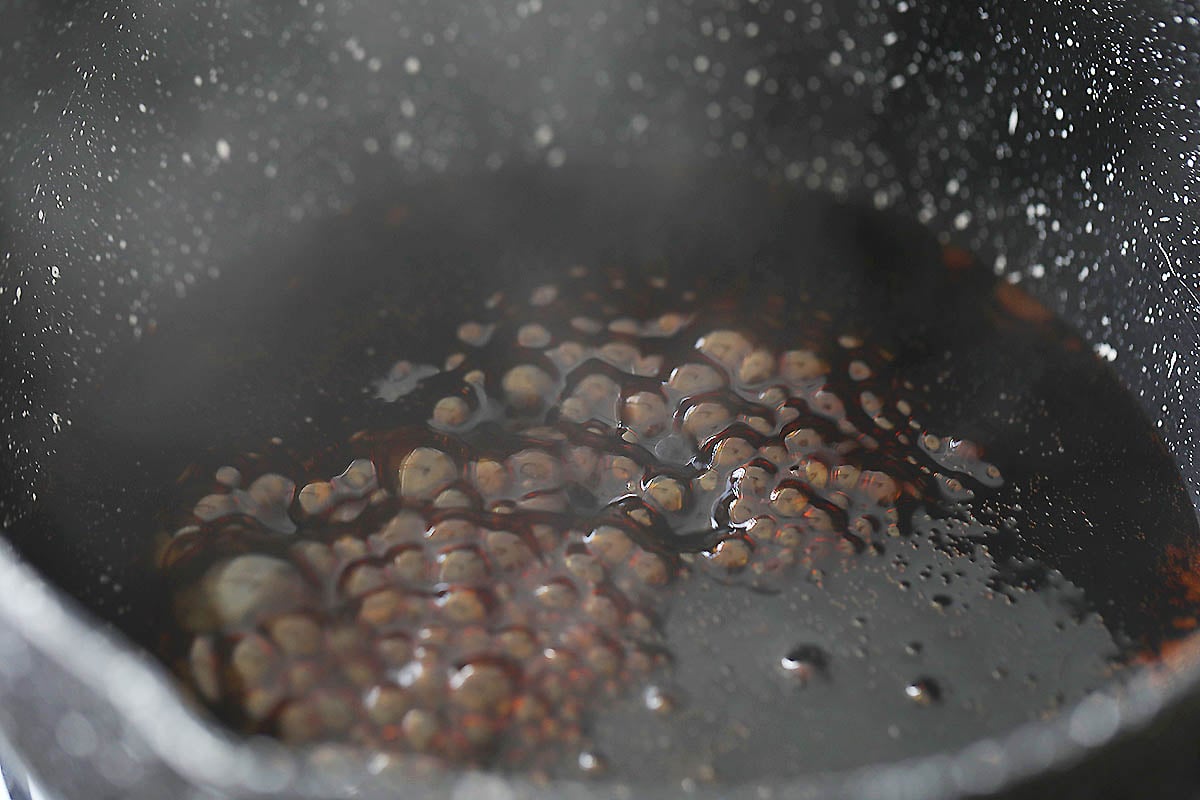
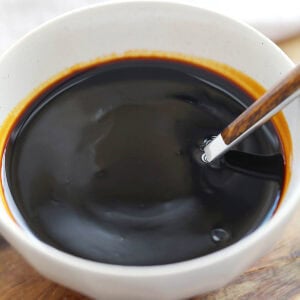
Place the pan over medium heat. Keep stirring so nothing sticks. You will see the sauce transform from cloudy to a beautiful, glossy glaze as it starts to bubble.
Pro Tip: The sauce is done when it looks clear and shiny rather than milky. Try the spoon test: dip a spoon in and draw a line through the back with your finger. If the line stays clean and the sauce coats the spoon like a rich syrup, it is perfect.
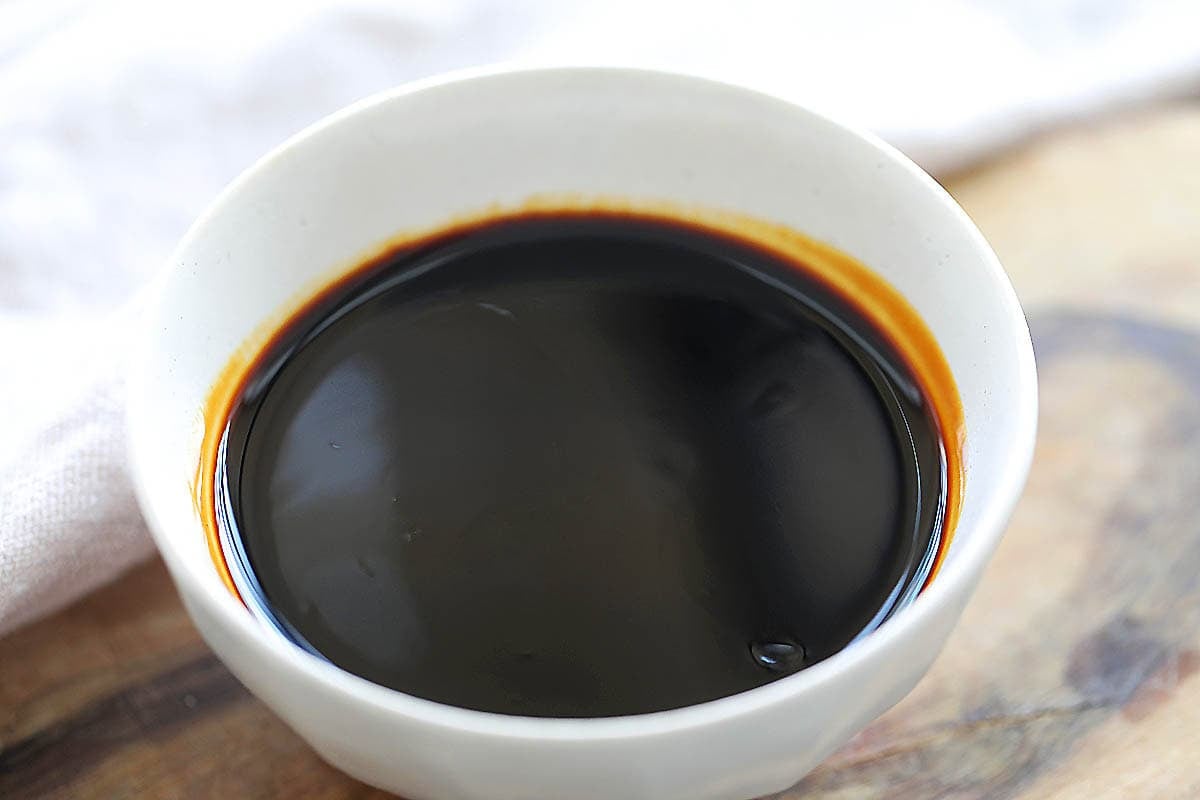
Once it looks thick and shiny, turn off the heat. Let it cool for a bit before you use it in your stir-fry or save it for later.
Storage Tip: Let the sauce cool completely and pour it into an airtight glass jar. It stays fresh in the fridge for up to two weeks. Just give it a quick shake or stir before using, as the ingredients can settle over time. It is a total lifesaver for busy weeknights!
Delicious Ways To Use This Sauce
This sauce is a flavor powerhouse. I keep it “pure” without adding ginger or garlic directly to the base so it stays smooth and lasts longer in the fridge. When you are ready to cook, simply sauté your fresh ginger, garlic, and dried red chilies in the wok first to release their fragrance. Then, follow these steps:
- Chicken: For that classic restaurant texture and a perfect sear, follow the specific marinating and stir-frying steps in my Kung Pao Chicken recipe.
- Beef: To keep the meat tender and juicy, follow my Kung Pao Beef guide for the best way to slice and sear your steak.
- Shrimp: Shrimp cook fast! Refer to my Kung Pao Shrimp recipe to learn how to get them snappy and perfectly glazed without overcooking them.
- Crispy Tofu: Pan-fry extra-firm tofu cubes in a little oil until they are golden and crunchy on all sides. Toss them in the sauce at the very last second so they stay crispy while soaking up that tangy glaze.
Frequently Asked Questions
On its own, this base is savory and tangy rather than spicy. The heat in a traditional Kung Pao dish comes from the dried red chilies you sauté in the wok.
Absolutely. Just swap the light and dark soy sauces for Tamari or gluten-free soy sauce. Most cornstarch is naturally gluten-free, but always double-check your label to be safe.
If your sauce is too thick (especially after sitting in the fridge), simply whisk in a dash of water or chicken broth, one teaspoon at a time, until it reaches your desired consistency.
You can pour the cold mixture directly into a hot wok with your protein, but I recommend simmering it in a sauce pan first. This helps the sugar dissolve completely and gives you a much smoother, glossy glaze that clings perfectly to your meat.
This recipe yields 1/2 cup and contains 86 calories.
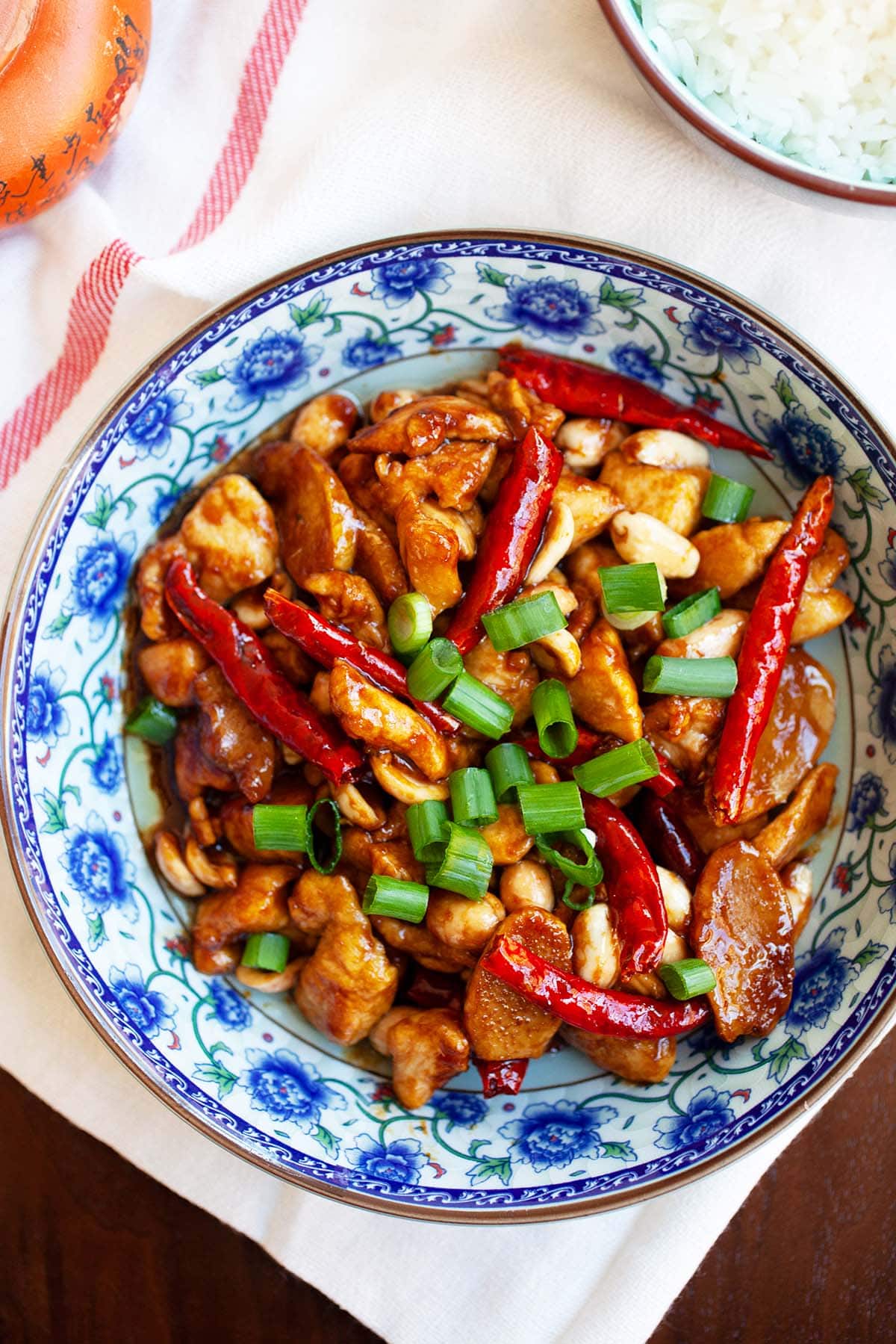
Other Sauce Recipes You Might Like
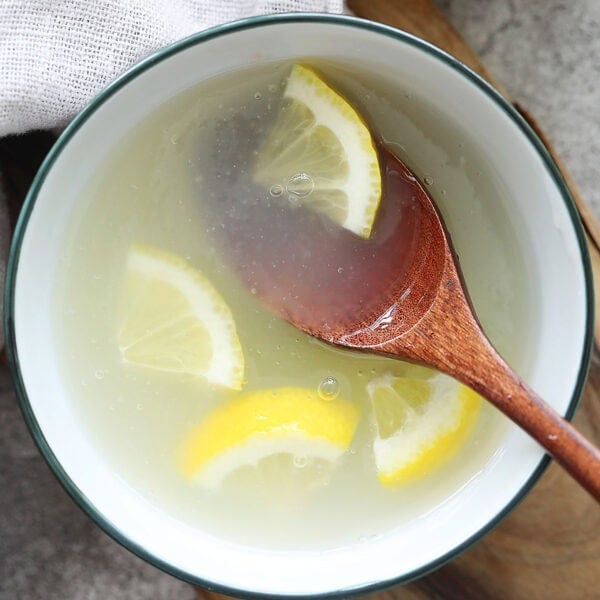
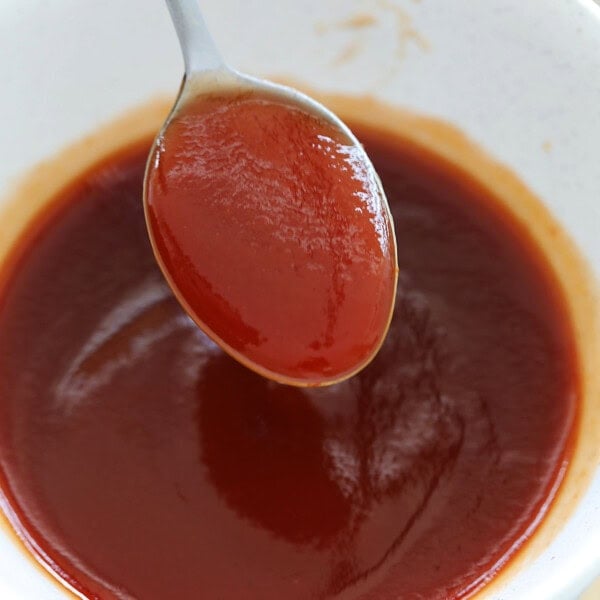
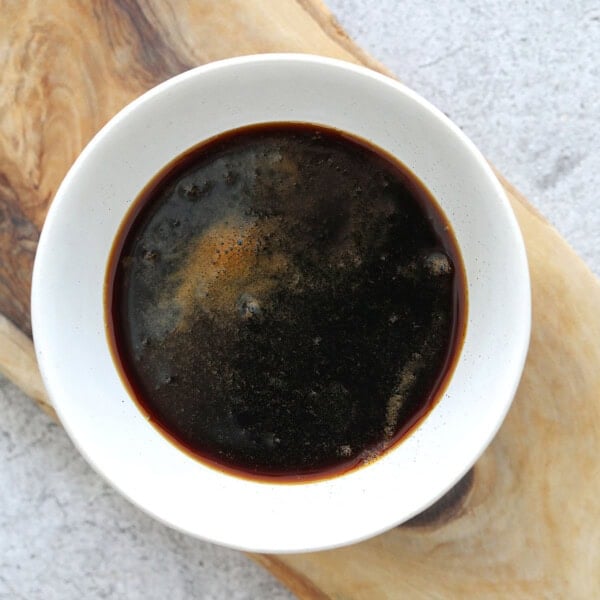
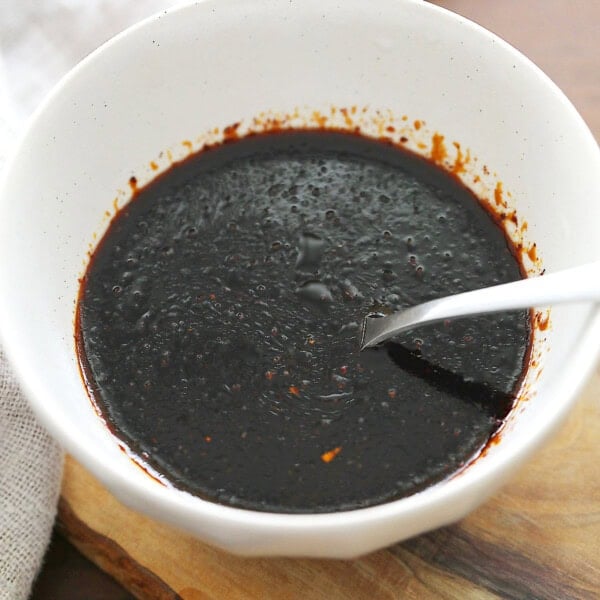
I hope you enjoy this post as much as I do. If you try my recipe, please leave a comment and consider giving it a 5-star rating. For more easy and delicious recipes, explore my Recipe Index, and stay updated by subscribing to my newsletter and following me on Facebook, Pinterest, and Instagram for new updates.
Kung Pao Sauce
Ingredients
- 3 tablespoons soy sauce
- 2 teaspoons dark soy sauce
- 2 teaspoons sugar
- ½ teaspoon Chinese black vinegar
- 4 tablespoons water
- 2 teaspoons cornstarch
Instructions
- Add the ingredients to a small saucepan and stir until well combined.
- Place the saucepan over medium heat and stir until the sauce starts to bubble and thickens into a glossy glaze.
- Turn off the heat and set the sauce aside to cool before using in your stir fry or storing in a jar.
Video
Notes
- Chicken: 1.5 lb (680g)
- Beef: 1.5 lb (680g)
- Shrimp: 1.5 lb (680g)
- Tofu: 1.75 lb (800g / 2 blocks)
Nutrition
Nutrition information is automatically calculated, so should only be used as an approximation.