
This post may contain affiliate links. Please read my privacy policy.
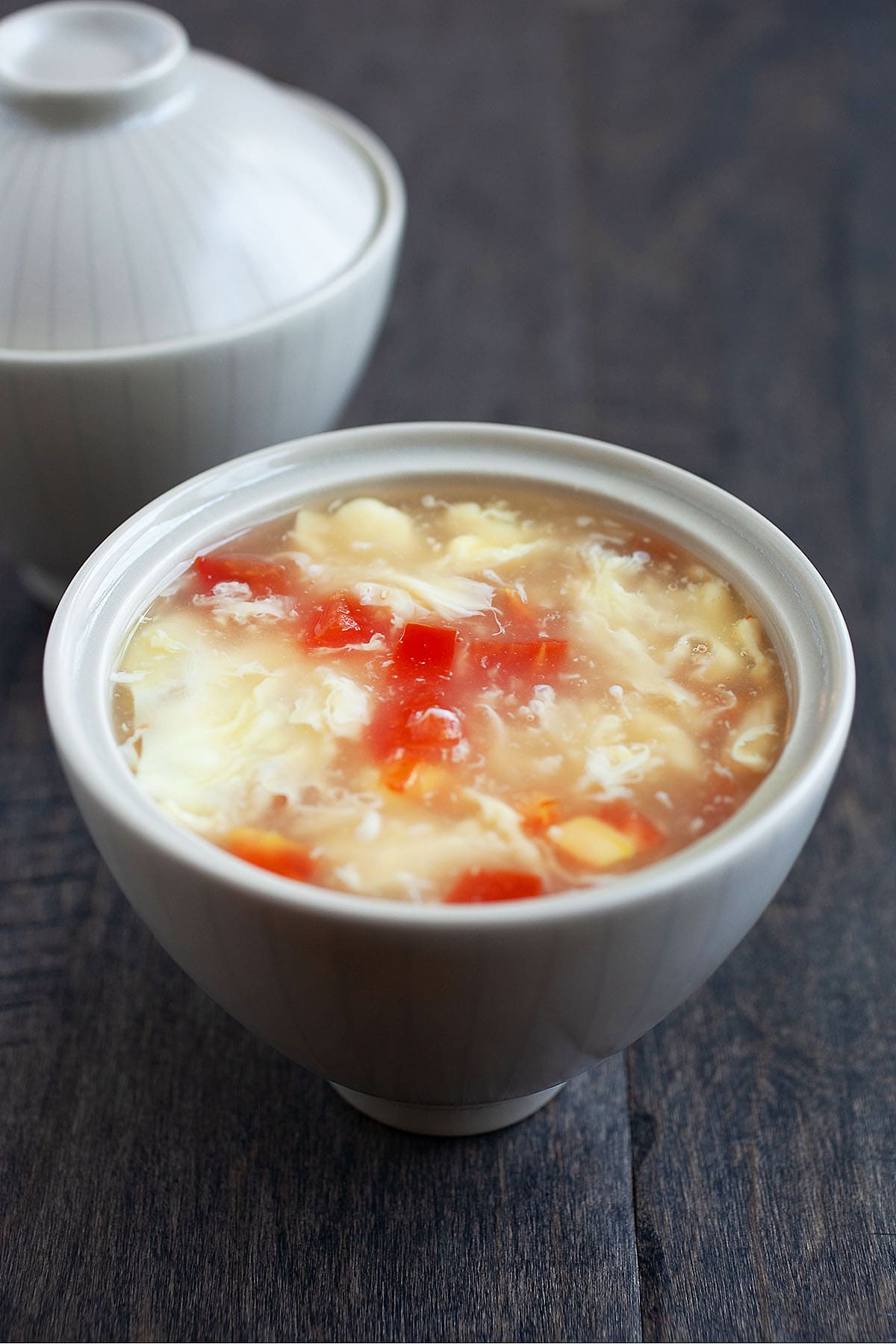
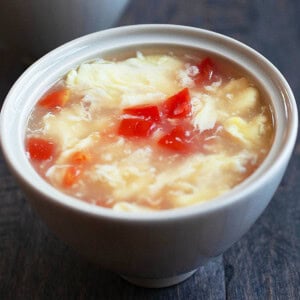
This is the ultimate egg drop soup. Ready in just 15 minutes, this easy and homemade Shanghai style recipe uses diced tomatoes for a refreshing, authentic flavor. It rivals any takeout with its comforting taste and perfect silky texture!
Recipe Summary
- 🔪 Prep Time: 10 minutes
- 👨🍳 Cook Time: 5 minutes
- ⏱️ Total Time: 15 minutes
- 🍽️ Servings: 4 people
- 🏷️ Calories: ~72 calories
- 🍳 Cook Method: Boiled
- ✨ Flavor Profile: Light, comforting, and savory with a bright, refreshing tang from the diced tomatoes and silky egg ribbons
- 🧩 Difficulty: Easy (Perfect for a quick and comforting homemade soup)
SUMMARIZE AND SAVE THIS CONTENT ON
Authentic Egg Flower Soup Recipe
I am sure everyone has tried egg drop soup, whether at a Chinese restaurant, a buffet, or through takeout. It is always warm and comforting, with those iconic silky threads of eggs in every spoonful. My recipe is far from the cookie-cutter versions you often see; it closely replicates the authentic egg flower soup recipe I enjoyed in Shanghai. Known as Dan Hua Tang (蛋花汤), egg flower soup and egg drop soup are actually the same thing, but the local Shanghai version includes tomatoes for a refreshing, mouthwatering twist and a beautiful sweet tang. If you are looking for more hearty soup recipes to enjoy with family and friends, you should also check out my Hot and Sour Soup, Wonton Soup, or my guide for Chinese Hot Pot.
While those are all classics, this Shanghai style version is a favorite when I want something lighter and more soothing. Imagine silky threads of beaten eggs floating in a lightly starchy chicken broth with pieces of diced tomatoes throughout. This soup is especially delightful during the fall and winter months, warming the body and comforting the soul with a perfect blend of textures. Because it is 100% homemade and healthy, it is the perfect 15 minute meal for a busy weeknight. It captures that signature “egg flower” look perfectly, proving you only need a few simple ingredients to create a bowl that is much better than takeout.
Secrets To Perfect Silky Egg Ribbons
While the ingredients are simple, the technique is what separates a messy, grainy soup from one with a perfect, delicate texture. To get those beautiful, translucent “egg flowers” you see in professional kitchens, it all comes down to controlling the temperature of the broth and how you handle the eggs.
The biggest secret is my “no-boil” method. I noticed that most people make the mistake of drizzling eggs into a rolling boil, which immediately tears them into tiny pieces. Instead, I turn off the heat and cover the pot with a lid. This allows the residual heat to cook the eggs gently, creating those long, silken threads that stay tender and velvety.
When I pour the eggs in, I always stir exactly three times with a pair of chopsticks. If I stir any more than that, I will break the delicate ribbons into small, unappealing bits. If I stir any less, the egg will settle into one large, heavy clump. This specific three-stir rule, combined with a properly thickened cornstarch base, is how I get that professional restaurant style look right in my own kitchen.
Ingredients You’ll Need
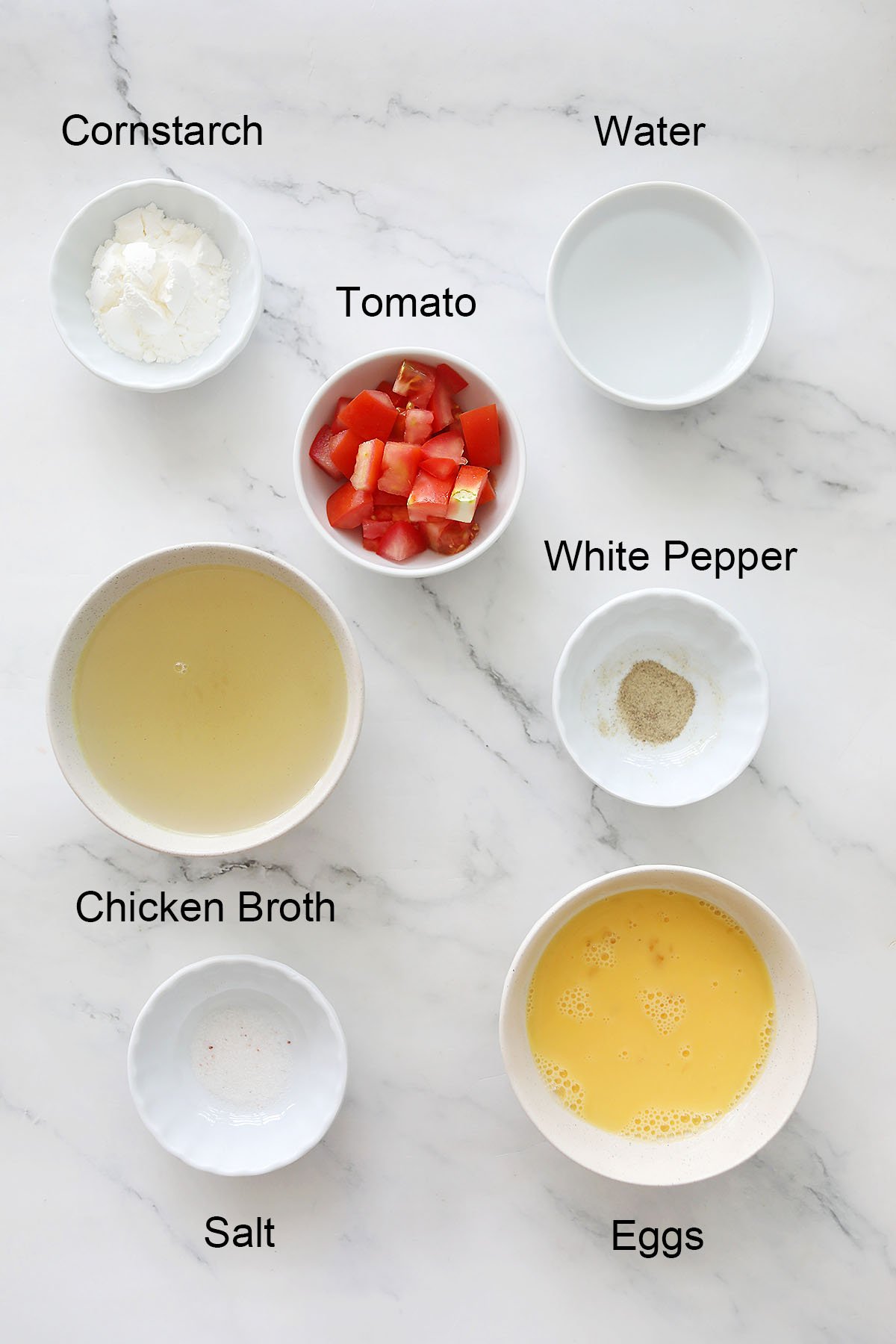
- Cornstarch
- Chicken broth
- Tomato
- Eggs
Check out the recipe card at the bottom of this post for the full list of ingredients and exact measurements.
Pro Tip #1: Don’t Skip The Cornstarch
The cornstarch slurry is essential for more than just thickness. It creates a silky base that allows the egg ribbons to stay suspended. Without this, your eggs would sink to the bottom instead of blooming into gorgeous “flowers.”
Pro Tip #2: Why I Add Diced Tomatoes
Adding fresh tomatoes is my secret for a true Shanghai style soup. I find that Roma or vine-ripened tomatoes work best because they are fleshy and hold their shape well without getting too mushy in the hot broth.
Pro Tip #3: Why White Pepper is Key
White pepper is a staple in most Asian cooking, and I use it here to get that signature floral heat without leaving dark specks in the soup. It keeps the broth looking clean and clear while providing that subtle, warming kick that hits the back of your throat.
Pro Tip #4: The Importance Of Salt
Since I use a mix of chicken broth and water, salt is key to bringing out the flavors of the egg and tomato. If you are using a low sodium broth, you might need an extra pinch to keep it from tasting bland. It is all about finding that perfect balance for a savory, flavorful stock.
Ways To Customize Your Soup
- Tofu: Add cubed soft tofu to the broth for extra protein. I like to heat the tofu in the simmering broth before I start the “no-boil” egg process.
- Clams: For a seafood twist, add fresh Manila clams. Cook them in the broth until they open, then thicken the soup before you swirl in the eggs.
- Corn and Carrots: If you want more texture, add sweet corn or finely diced carrots. Just simmer them in the broth until they are tender before adding your cornstarch slurry.
- Scallions and Sesame Oil: Right before serving, I sometimes top my bowl with chopped scallions and a few drops of toasted sesame oil. It adds a fresh crunch and a nutty aroma that really pulls the flavors together.
How To Make Egg Drop Soup
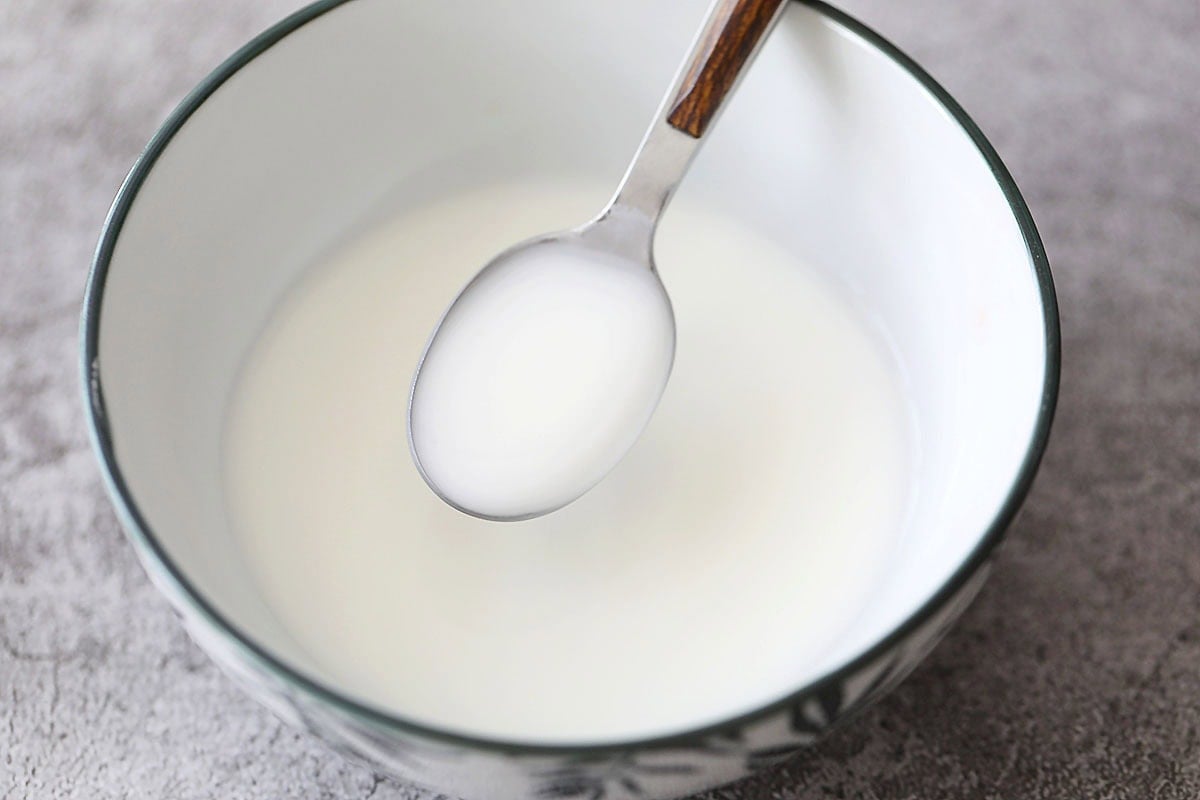
In a small bowl, mix the cornstarch with water until it is smooth. Set this aside for a moment. You want this ready to go because once the broth is hot, things move fast.
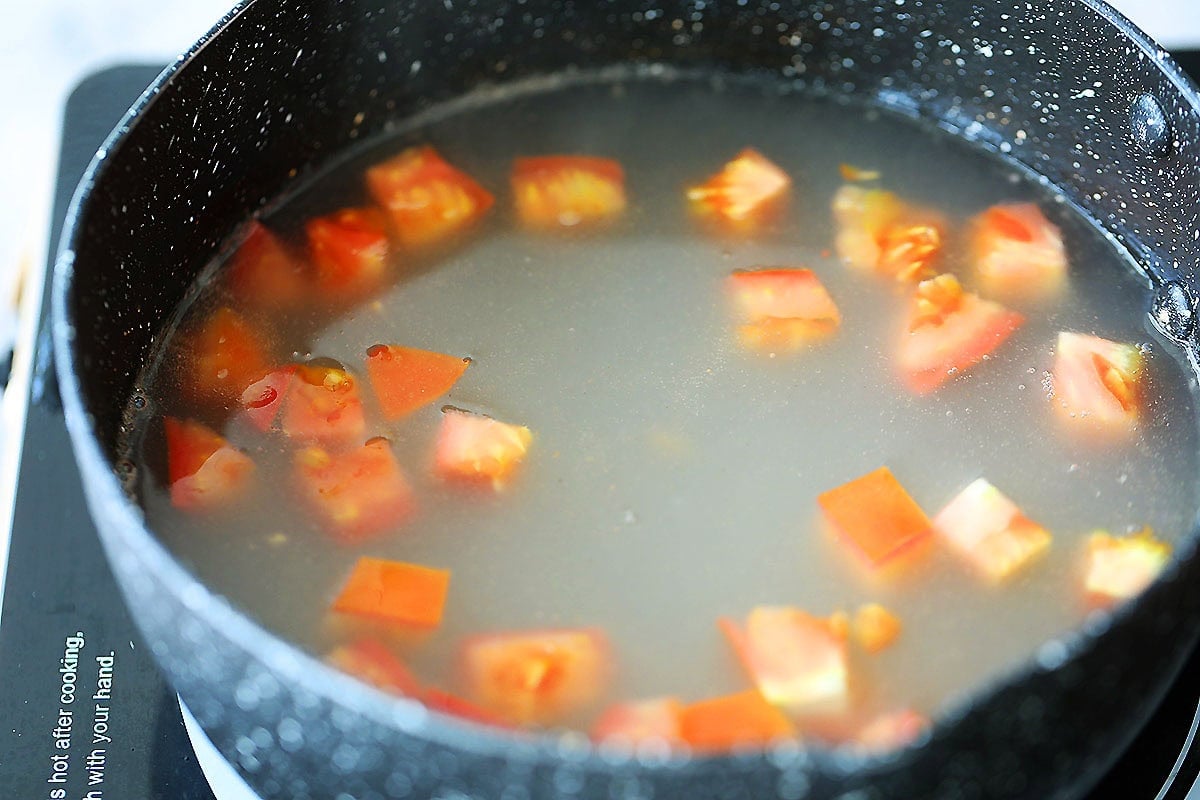
Bring your chicken broth and water to a boil. Toss in your diced tomatoes, white pepper, and salt. Now, pour in that cornstarch mixture to thicken the soup. Give it a good stir with a ladle, and as soon as it looks silky, turn off the heat completely.
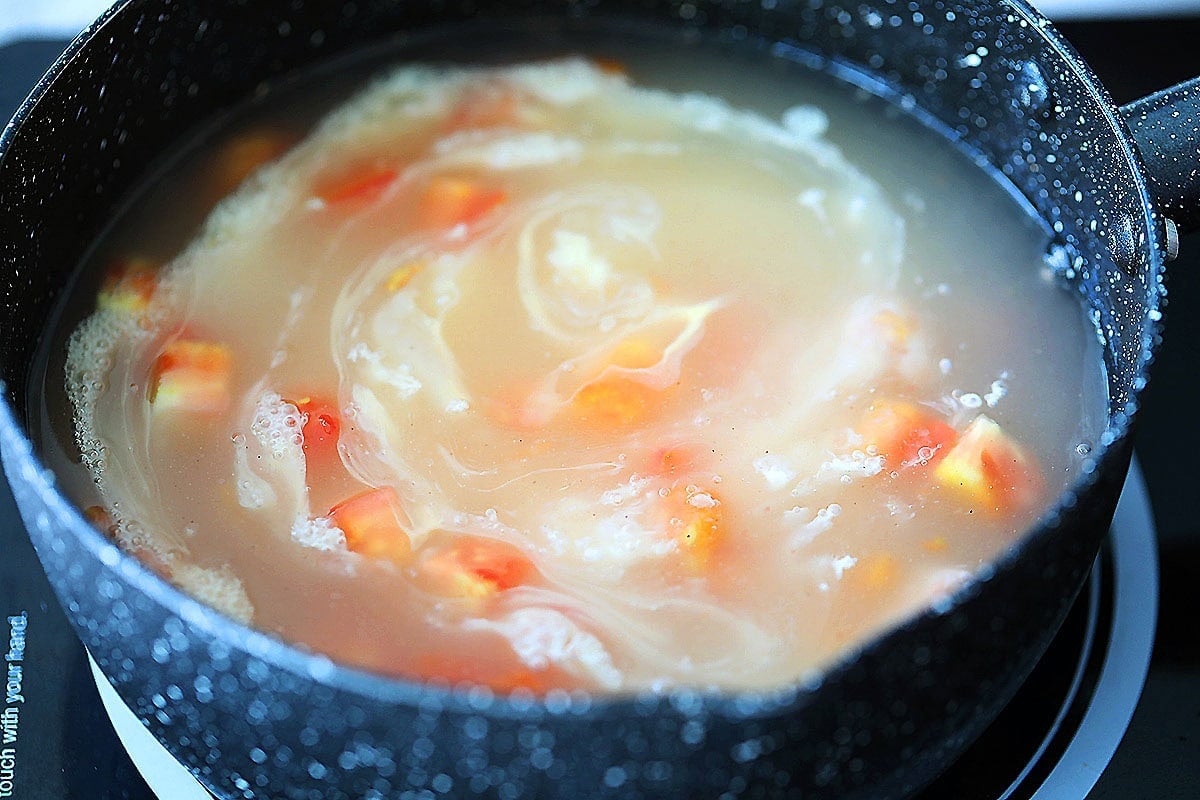
This is the part that feels like magic. Drizzle your beaten eggs into the soup in a steady stream. Grab your chopsticks and stir exactly three times. Don’t overdo it! We want to create ribbons, not a scrambled mess.
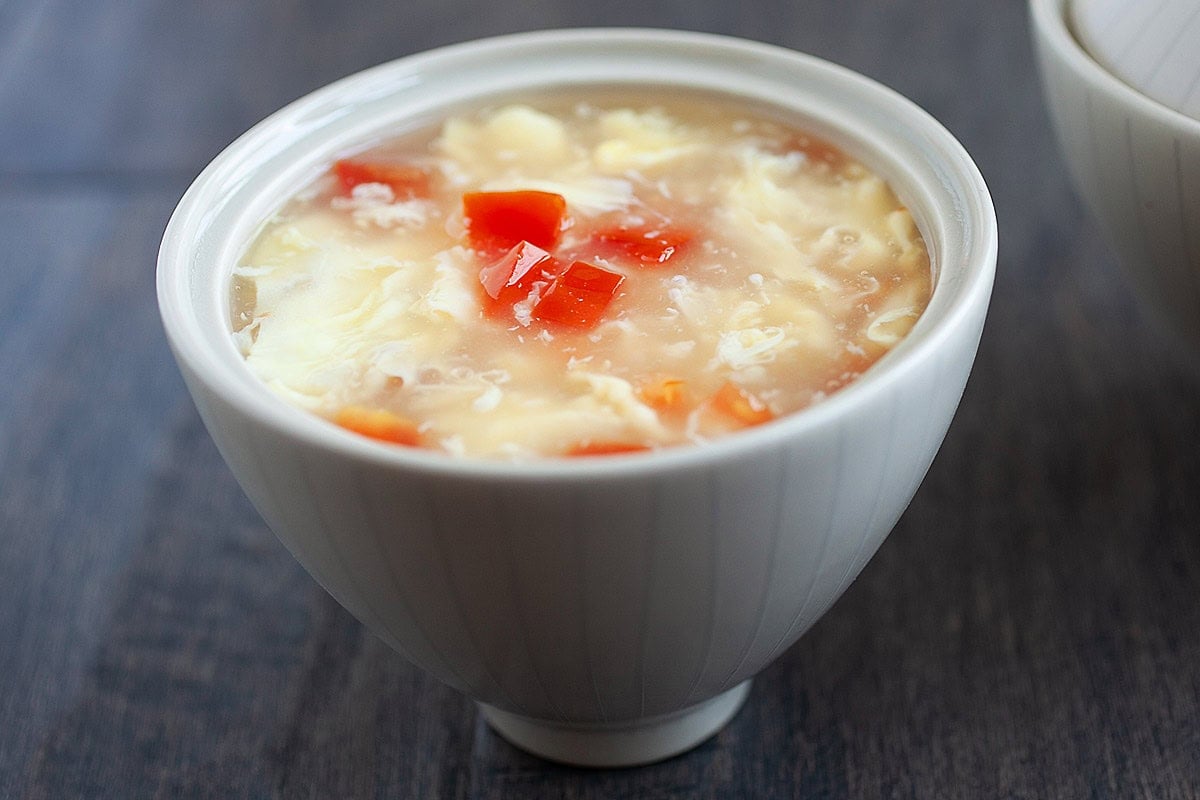
Immediately cover the pot with a lid and let it sit for 2 minutes. The residual heat is all you need to cook those eggs into the most tender, silken threads you have ever seen. That is it! Ladle the soup into individual bowls while it is nice and hot.
Frequently Asked Questions
Yes! This is a light, high protein meal that is naturally low in calories. Since we use fresh tomatoes and a simple broth instead of heavy oils, it is a great choice for a nutritious and warming lunch.
Always mix your cornstarch with room temperature water before adding it to the pot. Never drop dry cornstarch into hot broth. Give the slurry a quick stir right before pouring it in to keep the soup perfectly smooth.
You can keep leftovers in an airtight container in the fridge for up to 2 days. The flavors hold up well, but the texture is always at its peak right after cooking.
The key is to go slow. Warm it up in a small pot over low heat on the stove. Stir gently and stop as soon as it is hot. Avoid letting it reach a rolling boil so the eggs stay soft.
I would not suggest it. Freezing ruins the delicate texture of the eggs and causes the thickened broth to become watery once thawed. Since it is so fast to make, fresh is the way to go.
This recipe is only 72 calories per serving.
What To Serve With This Recipe
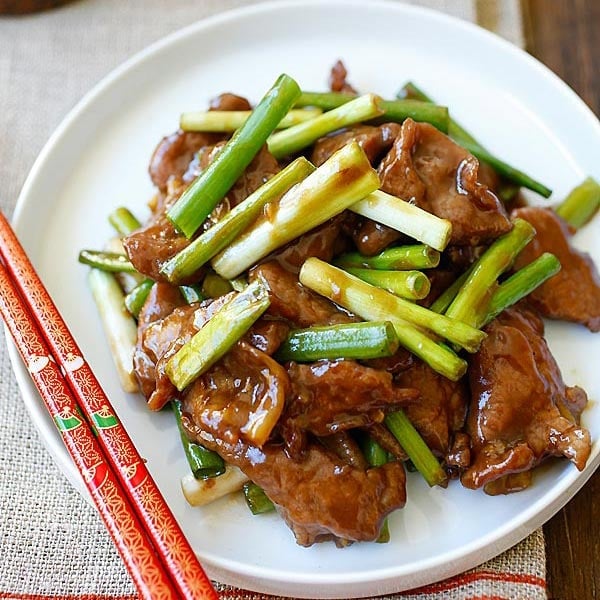
For a wholesome meal and easy weeknight dinner, I recommend the following recipes:
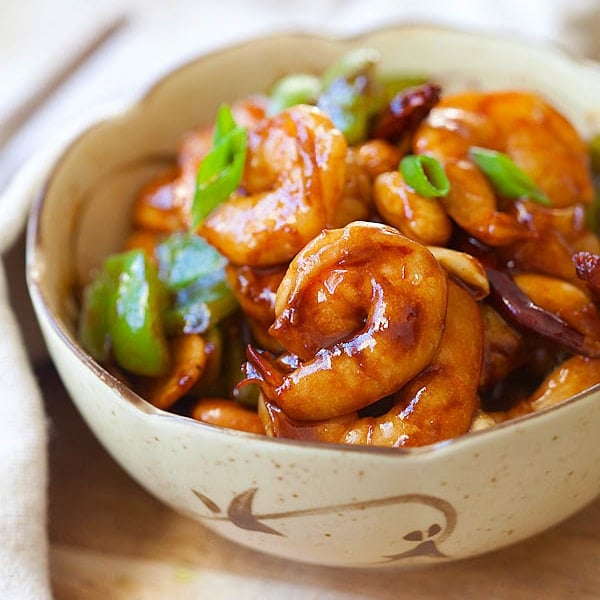
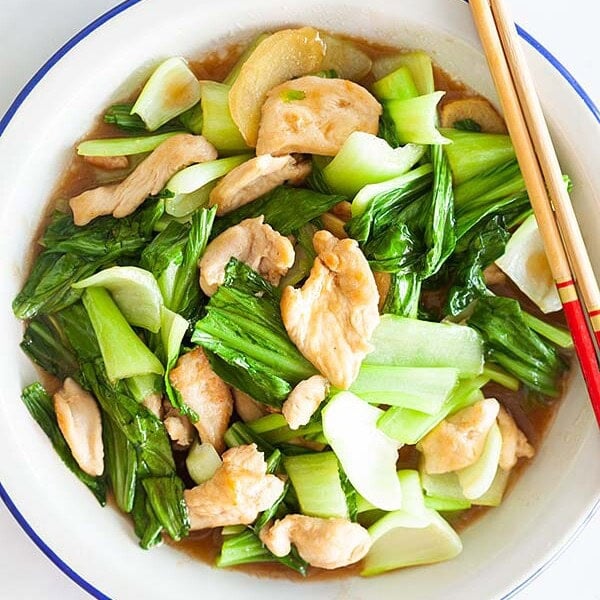
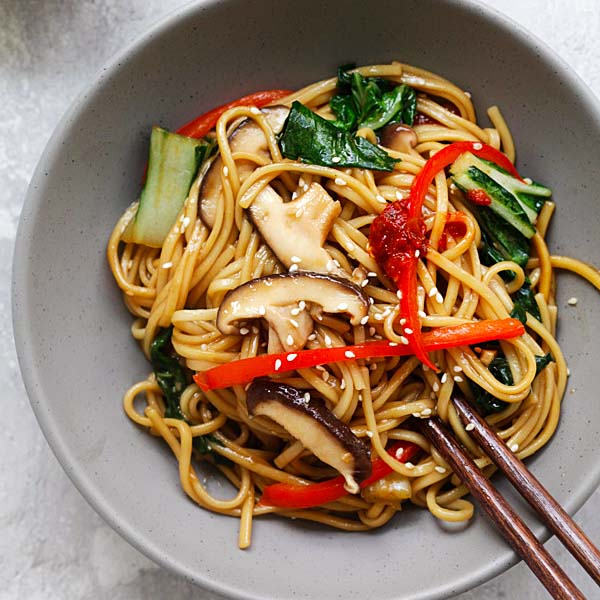
I hope you enjoy this post as much as I do. If you try my recipe, please leave a comment and consider giving it a 5-star rating. For more easy and delicious recipes, explore my Recipe Index, and stay updated by subscribing to my newsletter and following me on Facebook, Pinterest, and Instagram for new updates.
Other Soup Recipes You Might Like
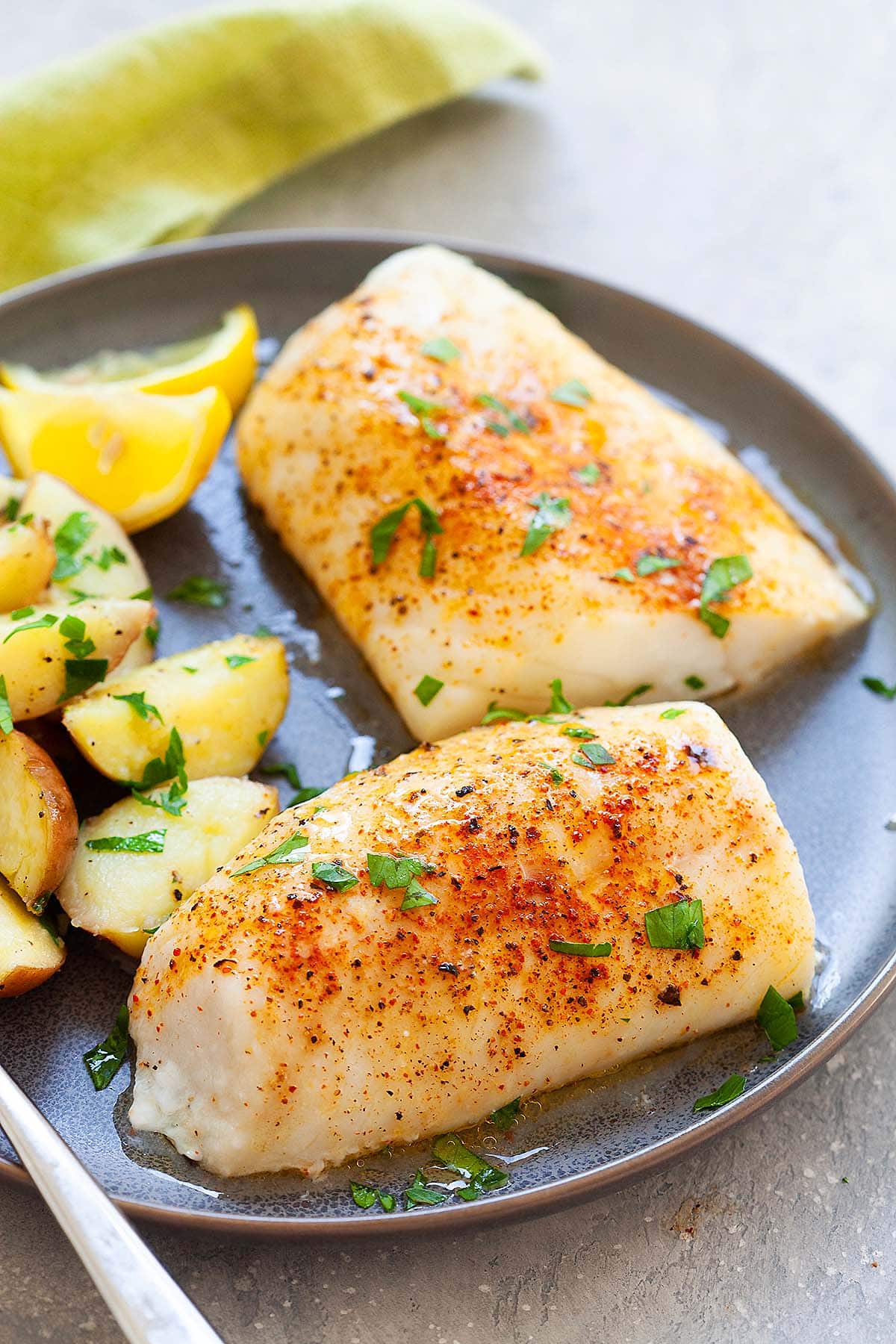
Egg Drop Soup
Ingredients
- 2 tablespoons cornstarch
- 3 tablespoons water
- 14 oz chicken broth, store-bought
- 1 cup water
- ½ tomato, diced
- 3 dashes white pepper
- ½ teaspoon salt, or to taste
- 2 large eggs, lightly beaten
Instructions
- In a small bowl, mix the cornstarch with water and stir until well blended. Set aside.
- Bring the chicken broth and water to a boil in a pot. Add the tomato, white pepper, and salt, then thicken the soup with the cornstarch mixture. Stir the soup with a ladle and turn off the heat.
- Swirl the beaten eggs into the soup and immediately stir three times with a pair of chopsticks. Cover the pot with its lid for 2 minutes. The eggs should be cooked and form silken threads.
- Serve immediately by dishing the soup into individual serving bowls.
Video
Nutrition
Nutrition information is automatically calculated, so should only be used as an approximation.






Can Gen Tso be made with ground beef?
Love your site and food ideas.
Thank you so much! You can use thinly sliced beef instead of chicken, but I wouldn’t recommend ground beef for this recipe.
Hi Bin! Excellante! I wonder why there are those spaces before the commas in the Nurtrition section in all your recipes. Not necessary. All the colons aren’t necessary either, I would say.
Hi Jack, thanks for trying my recipe and for the 5 stars! :)
Instead of tomatoes, use chopped green onions, and celery.
Add tofu for texture. For more asian restaurant flavor add sesame oil, ginger, and soy sauce.