
This post may contain affiliate links. Please read my privacy policy.
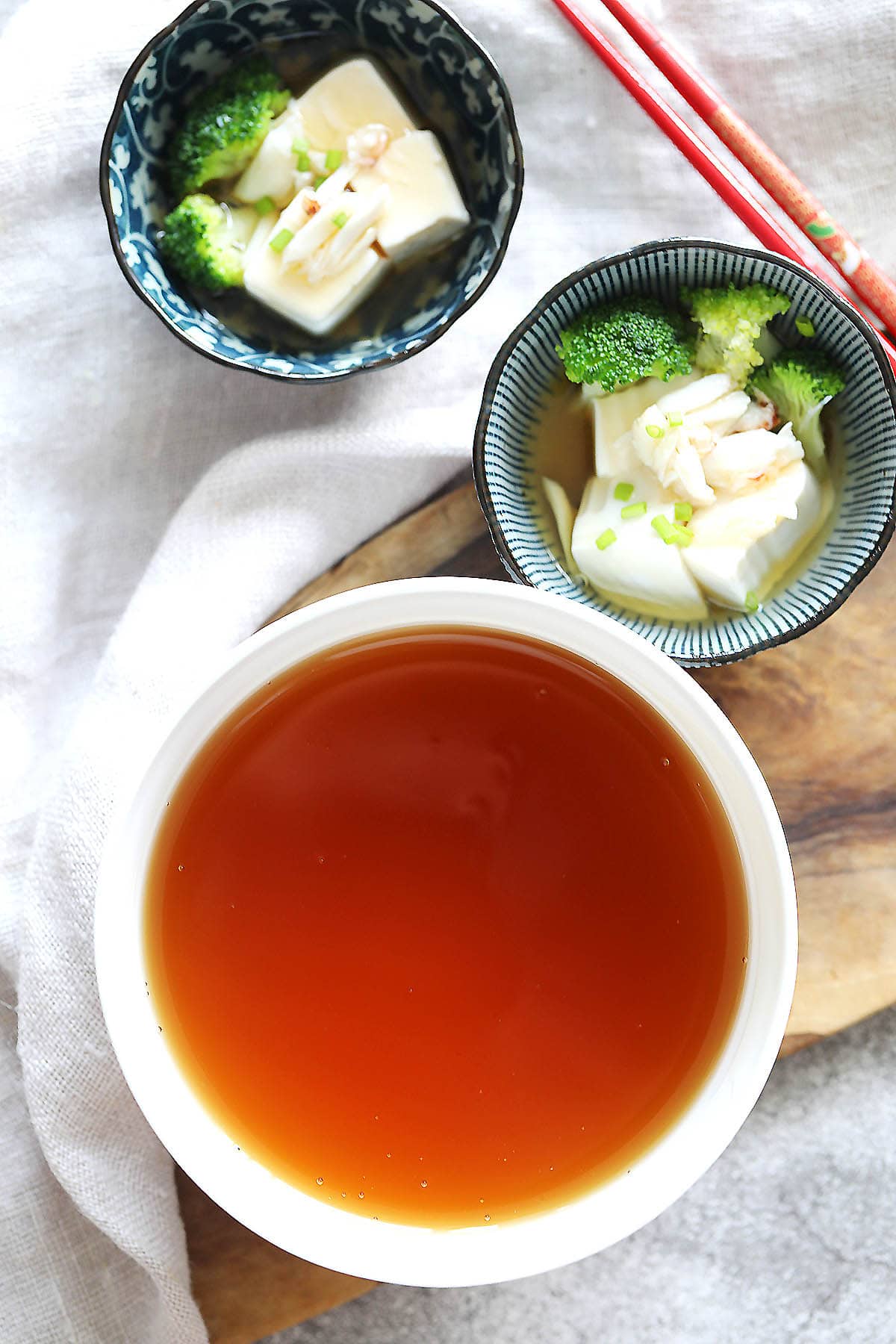
This quick 10-minute Japanese dashi sauce (ankake sauce) recipe combines rich Dashi broth, soy sauce, mirin, and sake into a glossy, savory sauce. Smooth, comforting, and deeply flavorful, it makes an easy, versatile topping for tofu, vegetables, meat, and seafood.
Recipe Summary
- 🔪 Prep Time: 5 minutes
- 👨🍳 Cook Time: 5 minutes
- ⏱️ Total Time: 10 minutes
- 🍽️ Servings: 1 1/4 cups
- 🏷️ Calories: ~179 calories
- 🍳 Cook Method: Simmer
- ✨ Flavor Profile: Savory dashi broth balanced with sweet mirin and soy sauce, thickened into a glossy, comforting sauce
- 🧩 Difficulty: Very easy (Perfect for elevating any plain dish)
SUMMARIZE AND SAVE THIS CONTENT ON
Ankake Sauce Recipe
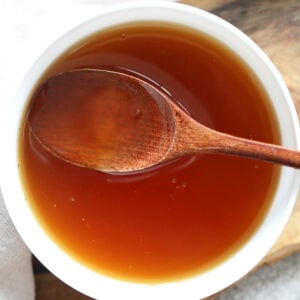
Dashi sauce, also known as dashi ankake or ankake sauce, is a thick, glossy Japanese glaze made by thickening savory dashi broth with a starch slurry. Unlike thin tempura dipping sauce or plain dashi broth, this ankake sauce recipe creates a velvety glaze that coats a spoon and clings to food. It has a deeply savory flavor profile packed with smoky umami from the Dashi, balanced by subtle sweetness from mirin and clean saltiness from soy sauce.
If you have ever ordered chawanmushi (Japanese steamed egg), ankake tofu, or delicate seafood starters at a high-end Japanese restaurant, you are already familiar with this comforting glaze. Having this quick recipe on hand makes weeknight cooking effortless, letting you elevate simple meals right at home without spending hours in the kitchen or paying restaurant prices. It comes together in under 10 minutes and pairs perfectly over pan fried chicken breast, steamed vegetables, or silken tofu.
In my next post, I will be using this exact sauce to top silky Japanese steamed eggs, so stay tuned for that recipe.
Differences Between Dashi Sauce, Dashi Broth, And Tempura Sauce
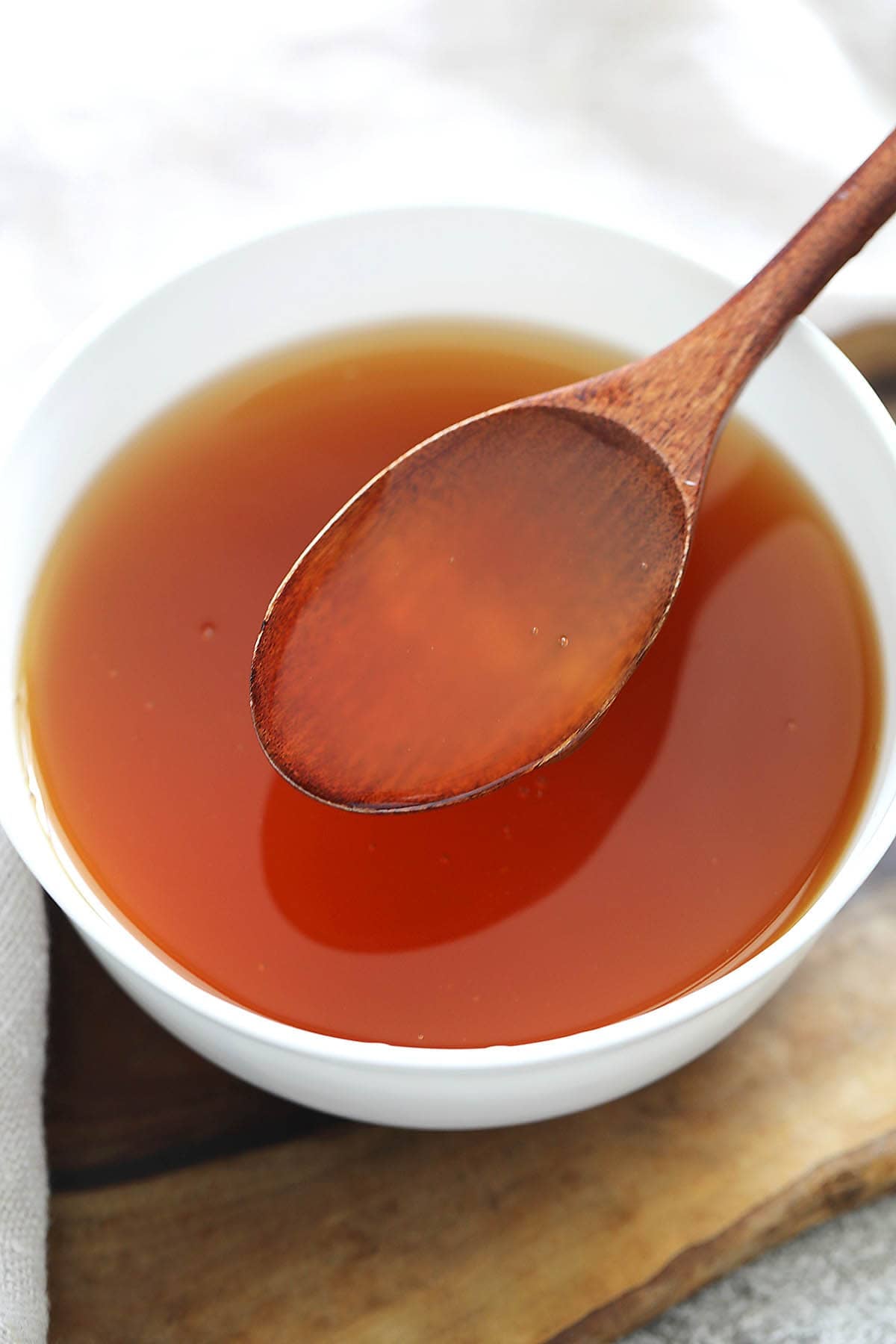
If you are new to Japanese cooking, it is easy to mix up dashi sauce, dashi broth, and tempura sauce since they share the exact same umami base. The real distinction comes down to concentration and viscosity, which completely changes how each one behaves on the plate.
- Dashi Sauce (Ankake): A thick, glossy glaze made by simmering dashi, soy sauce, and mirin with a starch slurry. It has a rich, savory umami taste with subtle sweetness. Because of its viscous texture, it clings directly to ingredients like tofu, fish, or pan-fried noodles instead of immediately running off like a thin liquid.
- Dashi Broth: A thin, clear liquid prepared by steeping kombu and katsuobushi in hot water. It carries a clean, aromatic, and slightly smoky profile. Since it has no added starch or heavy seasonings, it acts as the liquid foundation for soups, hot pots, and simmering bases.
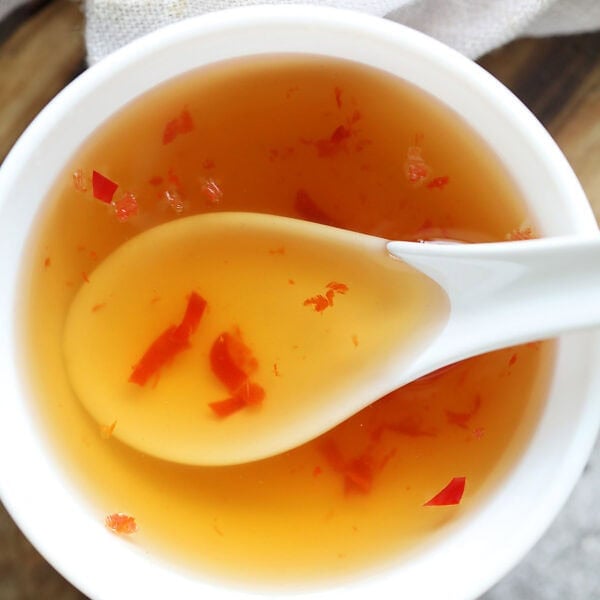
- Tempura Dipping Sauce (Tentsuyu): A watery dipping liquid made from dashi, soy sauce, mirin, and a pinch of sugar. It offers a balanced sweet-and-savory flavor designed specifically to cut through rich, fried foods without making the crispy batter soggy.
Ingredients You’ll Need
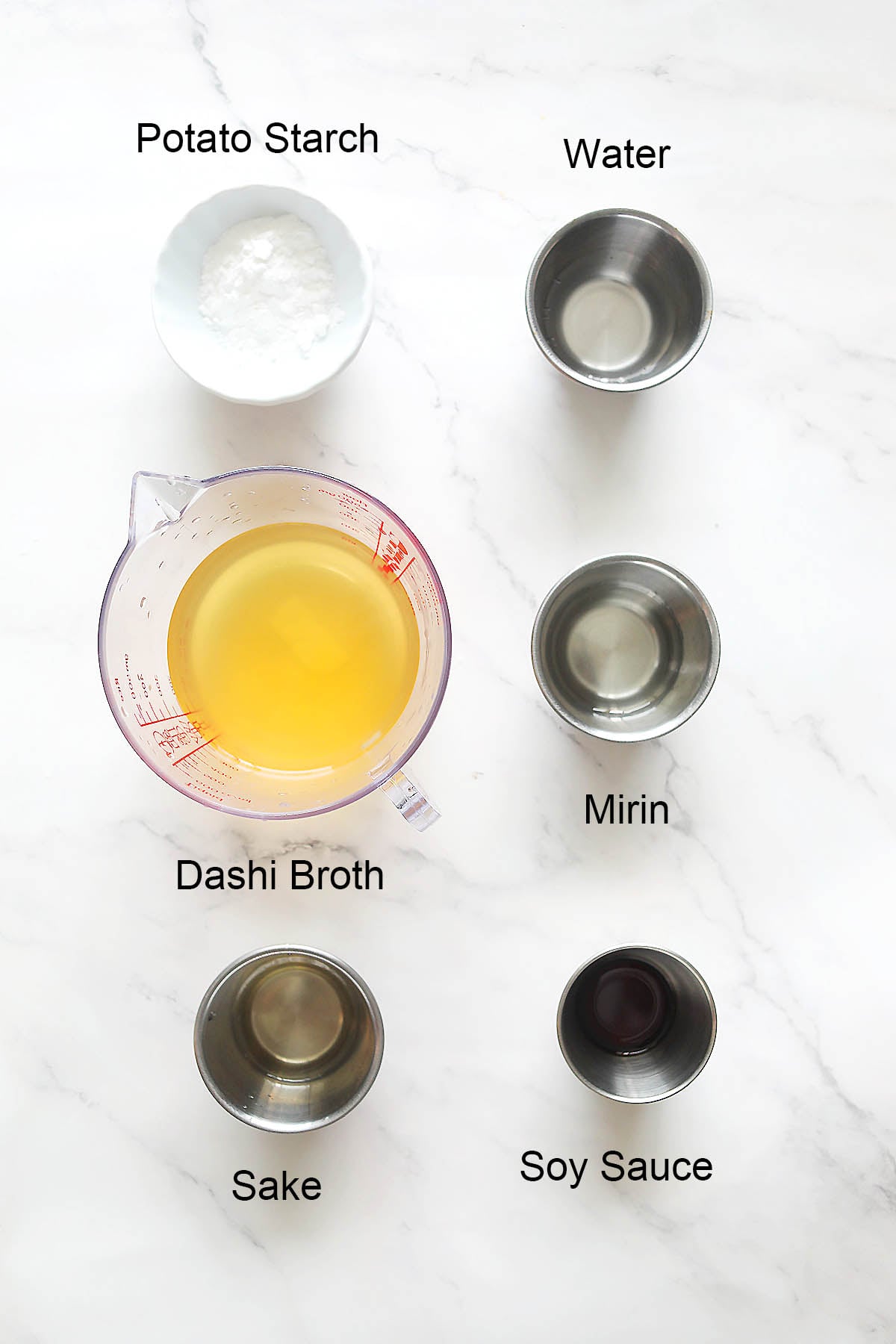
- Potato starch
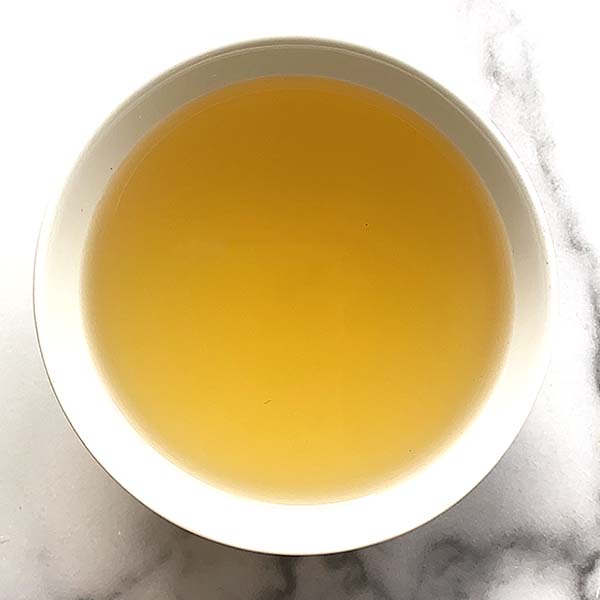
- Dashi broth
- Sake
- Mirin
See the recipe card below for all the ingredient details and exact measurements.
Pro Tip #1: Potato Starch For The Best Sheen
Potato starch (katakuriko) yields a crystal-clear gloss and holds its thick viscosity under heat. If you do not have it, cornstarch is a reliable swap, though the finish looks slightly more matte. Avoid flour or tapioca starch, which make the glaze cloudy or gummy.
Pro Tip #2: Dashi Broth Base
For the richest flavor, check out my easy homemade Dashi Broth Recipe. If you are short on time, instant dashi powder (hondashi) dissolved in hot water works just fine. Skip chicken or vegetable stock here, as their heavy flavors overpower the delicate Japanese profile.
Pro Tip #3: Sake To Round Out The Base
A splash of cooking sake cuts through the sharp edge of the soy sauce, softening the saltiness as it simmers down. Widely available options like Gekkeikan or Sho Chiku Bai work perfectly. Skip seasoned rice vinegar here, as its acid will make the sauce sour instead of savory.
Pro Tip #4: Mirin For Gloss
Mirin adds a subtle sweetness and creates a brilliant, glossy sheen over your dish. Look for true hon-mirin like Takara, Kikkoman Manjo, or Mizkan Hon Mirin at most Asian groceries or online. Avoid “mirin-style seasoning” if you can, as it is mostly corn syrup with no real depth.
Pro Tip #5: Soy Sauce For Depth
Soy sauce gives the glaze its rich color and salty umami balance. Regular soy sauce works best. Light soy sauce keeps the color pale, while dark soy sauce makes it too dark and heavy. If you need a gluten-free option, tamari works as a direct substitute.
Sidenote: Grab real mirin and cooking sake from your local Asian market, a well-stocked supermarket, or online. Kitchen swaps work in a pinch, but nothing matches the rich sweetness and aroma of the real thing when making authentic Japanese dashi sauce.
How To Make Dashi Sauce
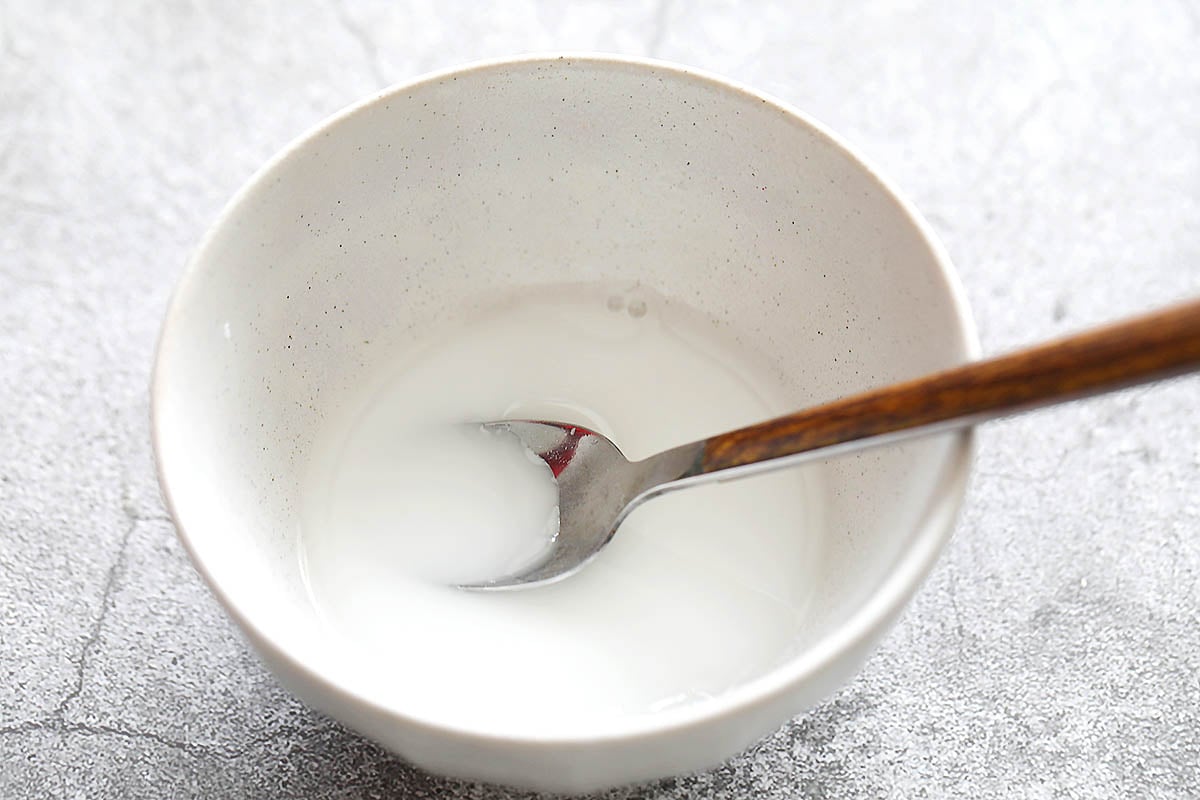
In a small bowl, combine your potato starch with cold water. Stir thoroughly until the starch completely dissolves into a smooth liquid slurry.
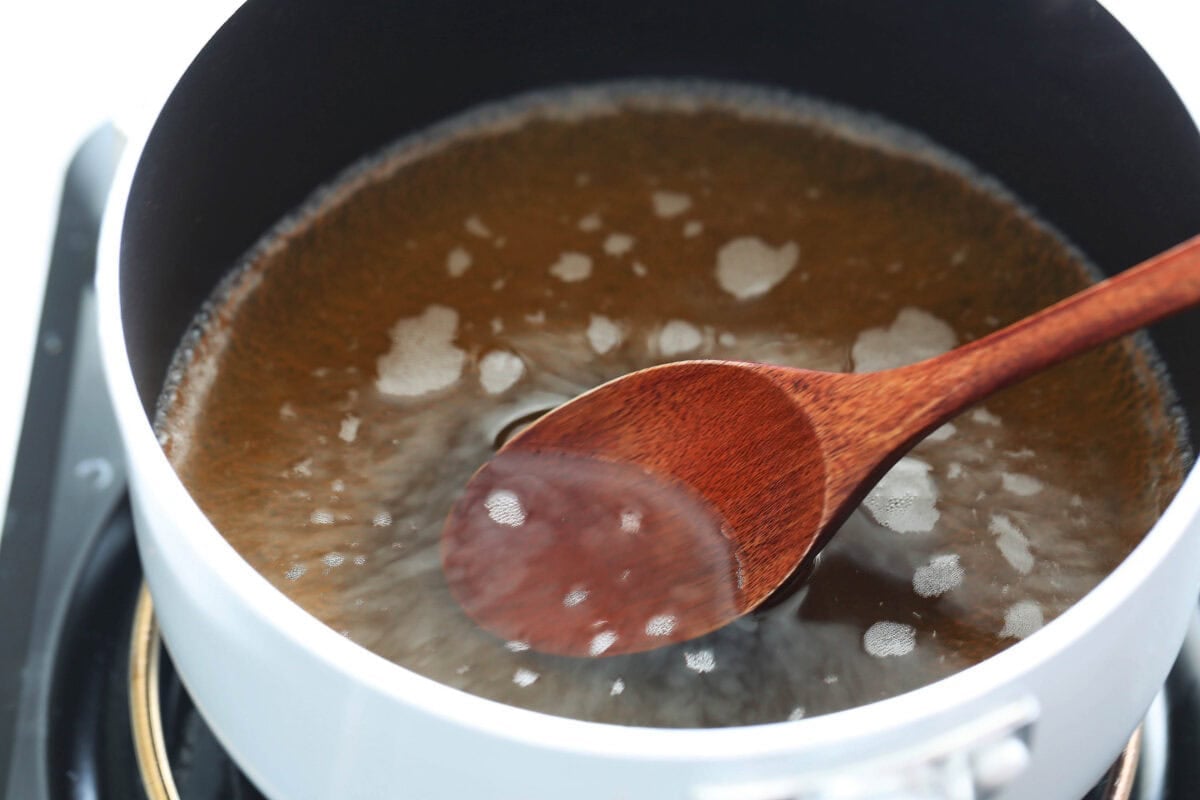
Set your saucepan over medium heat and pour in the Dashi, sake, mirin, and soy sauce. Bring the broth to a gentle boil, then skim off any foam that rises to the surface.
Pro Tip: Skimming the foam is key for a clear sauce. Removing those tiny surface bubbles gives your finished glaze a crystal-clear, mirror-like finish instead of a cloudy look.
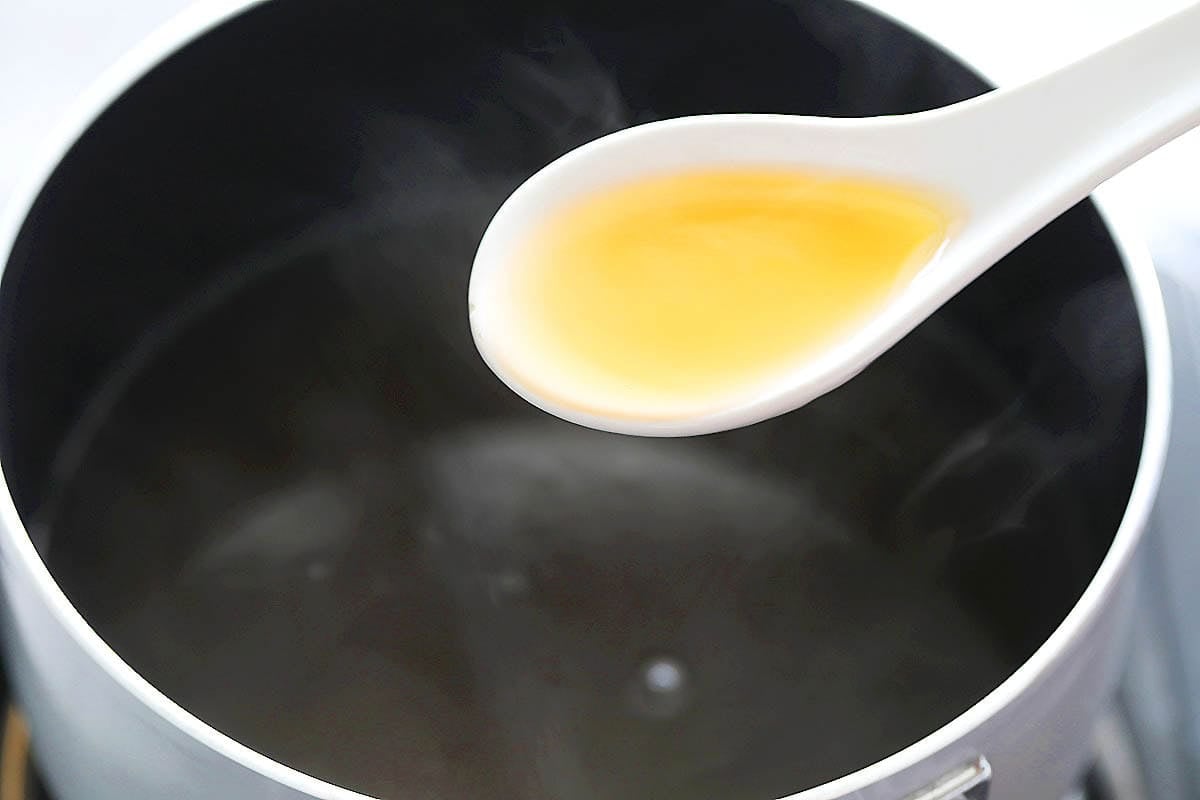
Give your starch slurry a quick re-stir, then slowly swirl it into the boiling broth while stirring constantly. Let it bubble away for about 30 seconds until it thickens into a glossy glaze.
Pro Tip: Cornstarch and potato starch settle to the bottom of the bowl within seconds. Give that slurry a quick stir right before pouring, and keep stirring the pot constantly so it thickens evenly without forming gelatinous lumps.
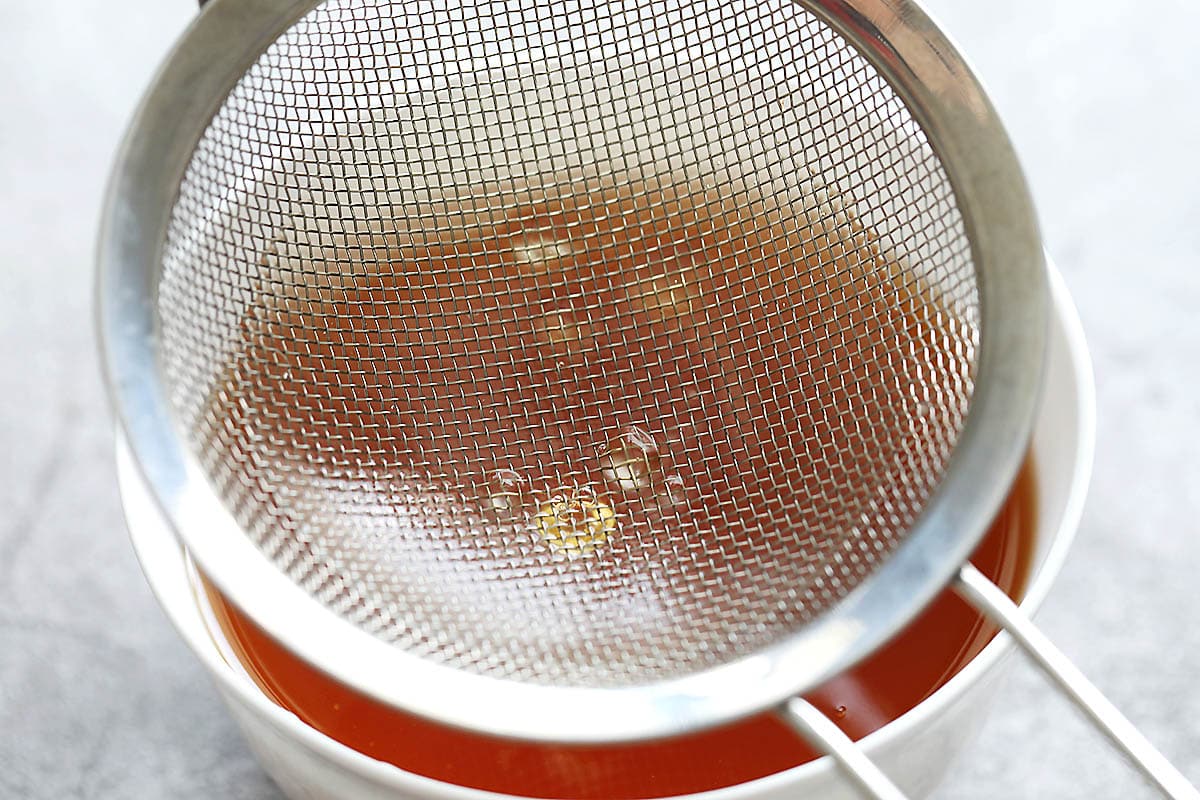
Pour the hot sauce directly through a fine-mesh sieve into a heatproof bowl to catch any stray foam or tiny bits.
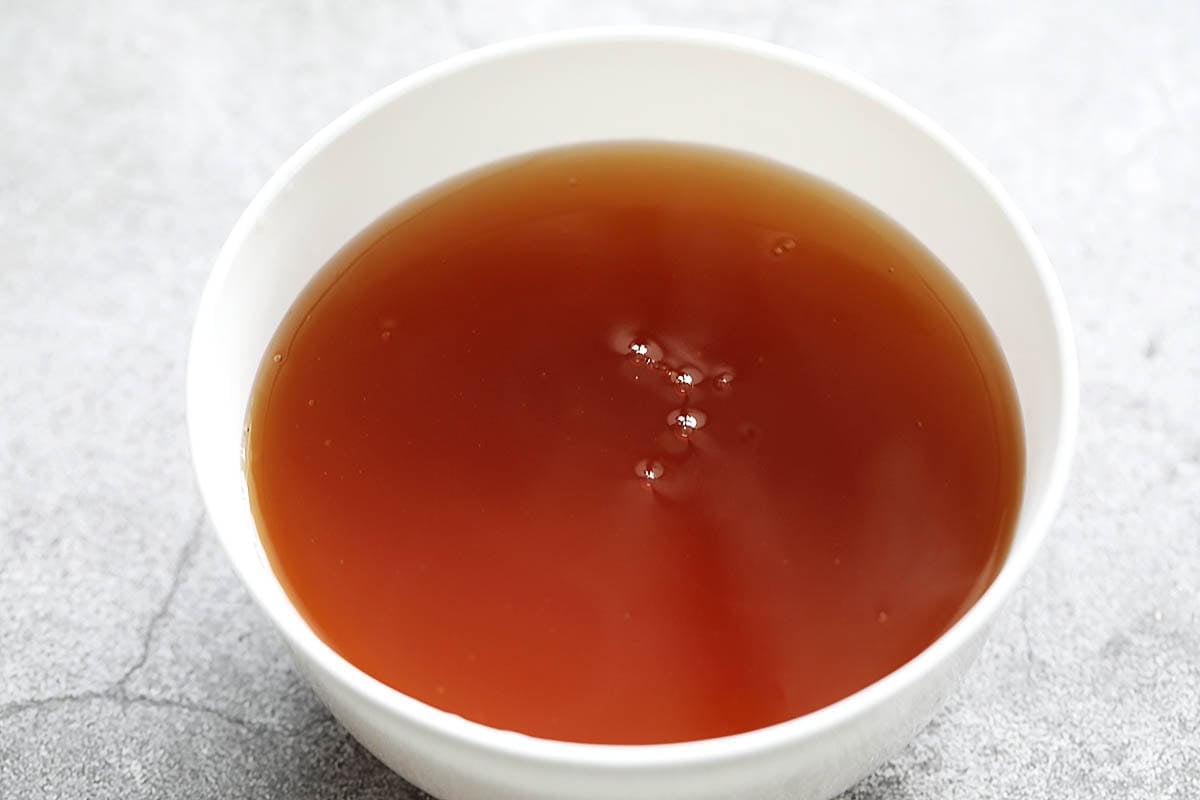
Drizzle your warm dashi sauce over steamed tofu, or pour it straight over your favorite vegetables, chicken, or seafood.
Frequently Asked Questions
Yes. Store it in an airtight container in the fridge for up to 3 days. Reheat gently in a small saucepan over low heat, whisking in a splash of warm water if it thickens up too much in the cold.
Once you pour in the starch slurry, it thickens almost instantly, usually within 20 to 30 seconds of gentle simmering.
If it gets too thick, whisk in warm dashi one tablespoon at a time. If it is too thin, mix an extra teaspoon of potato starch with a teaspoon of cold water and swirl it into the simmering liquid.
Overheating or cooking the starch too long after it thickens breaks down its structure, causing it to loosen. Double-tasting with a spoon that has touched your mouth will also break down the starch and make the sauce runny.
Freezing is not recommended. Starch-thickened sauces lose their silky texture and separate into a watery mess once thawed and reheated.
This recipe yields 1¼ cups (300 ml) and contains 179 calories.
Other Homemade Recipes You Might Like

I hope you enjoy this post as much as I do. If you try my recipe, please leave a comment and consider giving it a 5-star rating. For more easy and delicious recipes, explore my Recipe Index, and stay updated by subscribing to my newsletter and following me on Facebook, Pinterest, and Instagram for new updates.

Dashi Sauce
Ingredients
- 1 tablespoon potato starch, or cornstarch
- 2 tablespoons water
- 1 cup Dashi Broth
- 2 tablespoons sake
- 2 tablespoons mirin
- 2 tablespoons soy sauce
Instructions
- In a small bowl, mix the potato starch with water to make a slurry.
- In a saucepan over medium heat, combine the dashi, sake, mirin, and soy sauce. Bring to a boil, skimming off any foam that rises to the surface.
- Stir the potato starch slurry, then slowly swirl it into the sauce while stirring constantly. Cook until the sauce thickens.
- Strain the sauce through a fine-mesh sieve to remove any lumps.
- Drizzle the dashi sauce over steamed tofu, or your favorite vegetables, meat, or seafood.
Video
Notes
Nutrition
Nutrition information is automatically calculated, so should only be used as an approximation.