This post may contain affiliate links. Please read my privacy policy.
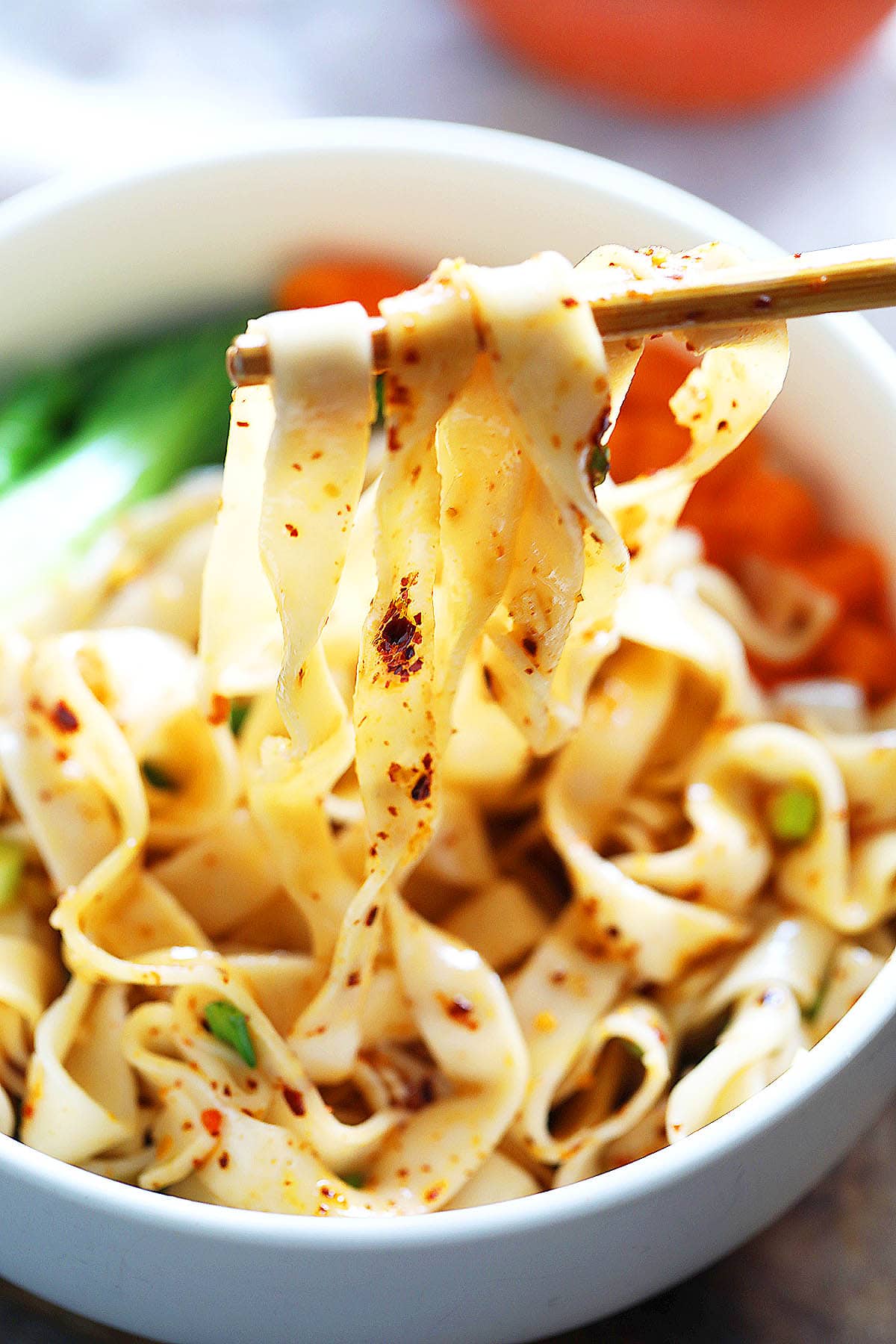
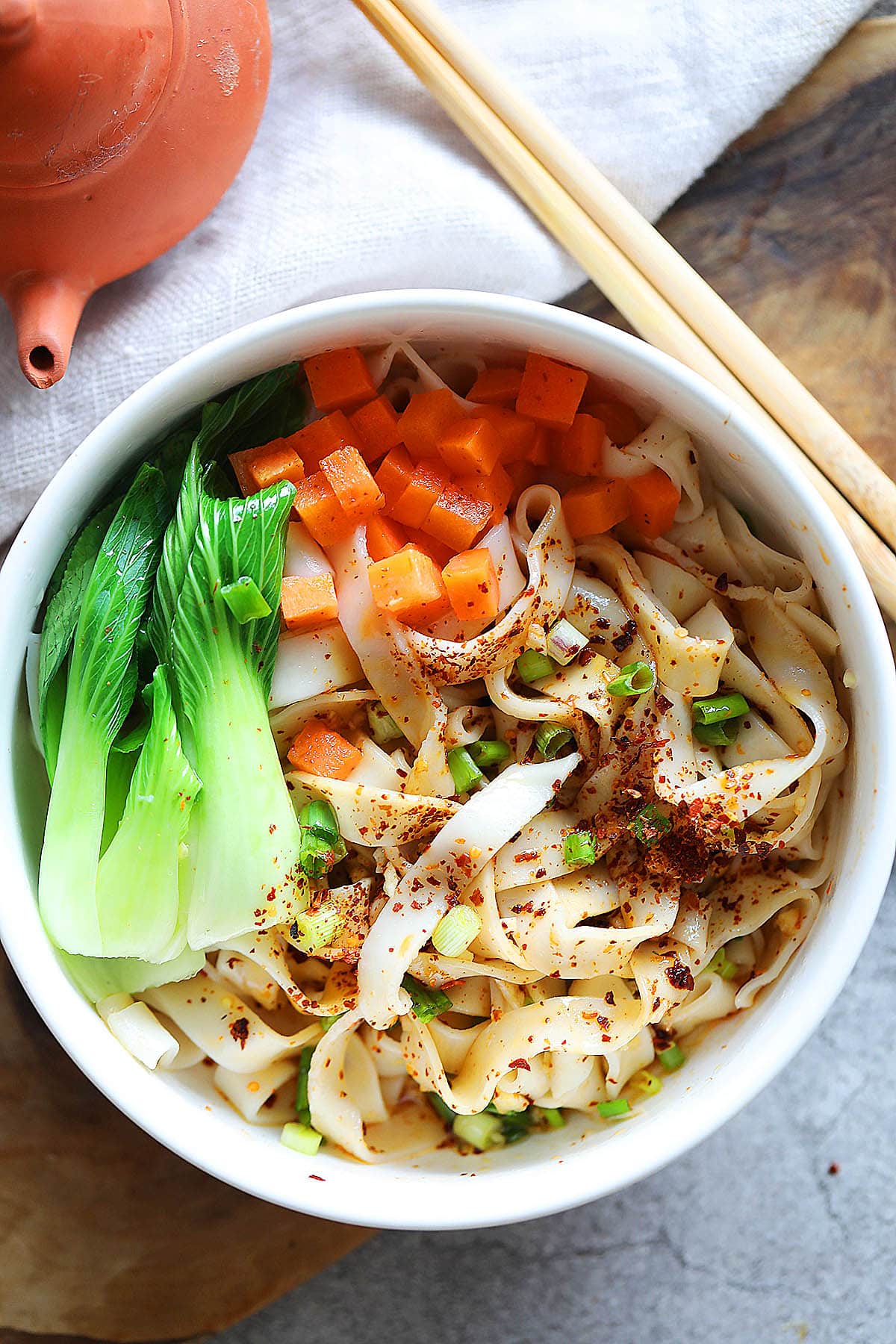
These biang biang noodles come together in 15 minutes with chewy noodles coated in savory soy, garlic, chili flakes, and scallions finished with sizzling hot oil!
Recipe Summary
- 🔪 Prep Time: 5 minutes
- 👨🍳 Cook Time: 10 minutes
- ⏱️ Total Time: 15 minutes
- 🍽️ Servings: 1 person
- 🏷️ Calories: ~562 calories
- 🍳 Cook Method: Boil
- ✨ Flavor Profile: Savory, garlicky, and spicy, with chewy noodles, a kick of chili, and fragrant scallions
- 🧩 Difficulty: Easy (Perfect for a quick, spicy noodle meal)
SUMMARIZE AND SAVE THIS CONTENT ON
Biang Biang Mian
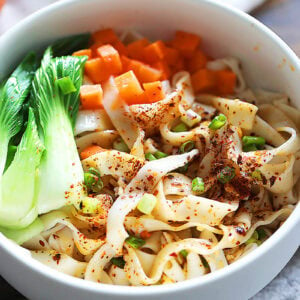
Recently, I went to Shenzhen and had this version of biang biang mian (𰻞𰻞面 / biang biang noodles), and I loved the way it was seasoned. I wanted to recreate those exact flavors at home, so this recipe is my take on the bowl I ate there. I use dried flat noodles tossed with soy sauce, chicken broth, garlic, chili flakes, and scallions, then pour sizzling hot oil straight over the aromatics to bring out their aroma. I also add blanched baby bok choy and carrots to round out the dish.
Traditional biang biang mian are made by hand, with the dough pulled and stretched into long, wide ribbons. While making noodles from scratch takes time, using store-bought dried noodles lets you make this dish in just 15 minutes. Whether you use fresh or dried noodles, the key is choosing a flat or wide variety with a chewy bite, since thin noodles will not hold up the same way. If you are not sure which noodles to buy, check out my shopping guide below for some suggestions.
Sidenote: Originally from China’s Shaanxi province, biang biang mian (𰻞𰻞面) is also known as you po mian (油泼面), which translates to “oil-splashed noodles.” The name “biang biang” comes from the loud slapping sound the wide dough makes against the counter as it is pulled.
Shopping Guide: Choosing The Right Noodles
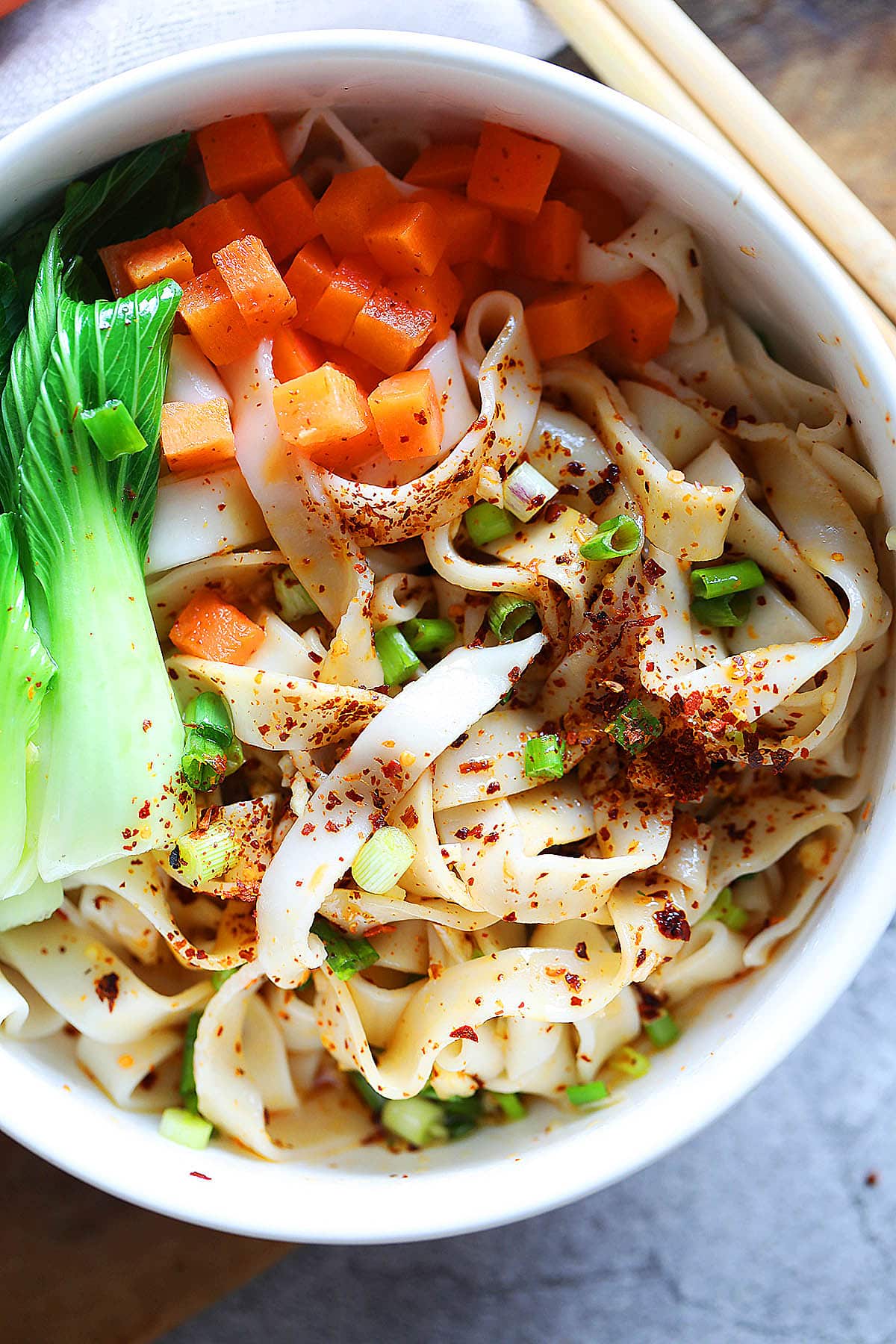
The main thing to look for here is wide noodles so you get that hearty, chewy bite.
- Dried Flat Wheat Noodles: I use dried flat wheat noodles because they have a wonderful, chewy bite and hold up great when tossed with hot oil and broth. They are easy to find in most Asian markets and online, making them a reliable everyday option.
- Wide Belt Noodles: If you want something closer to traditional Shaanxi proportions, look for dried wide belt noodles at Asian grocery stores or online. Their broad, flat shape gives you a satisfying chew and holds onto plenty of sauce.
- Knife-Cut Noodles: Dried or fresh knife-cut noodles (dao xiao mian) are another great choice. Their thick, uneven edges give every bite extra texture and trap pockets of garlic and chili oil.
- Other Great Swaps: Fresh flat wheat noodles or hand-pulled noodles from the refrigerated aisle work well too (just shorten the boiling time to 2 to 3 minutes so they stay chewy). Wide lo mein noodles can also step in nicely if you are in a pinch.
- Skip Thin Noodles: Avoid very thin noodles like vermicelli or thin mee sua, as they turn soft too quickly and do not give you that substantial, chewy texture that makes this dish so satisfying.
Ingredients You’ll Need
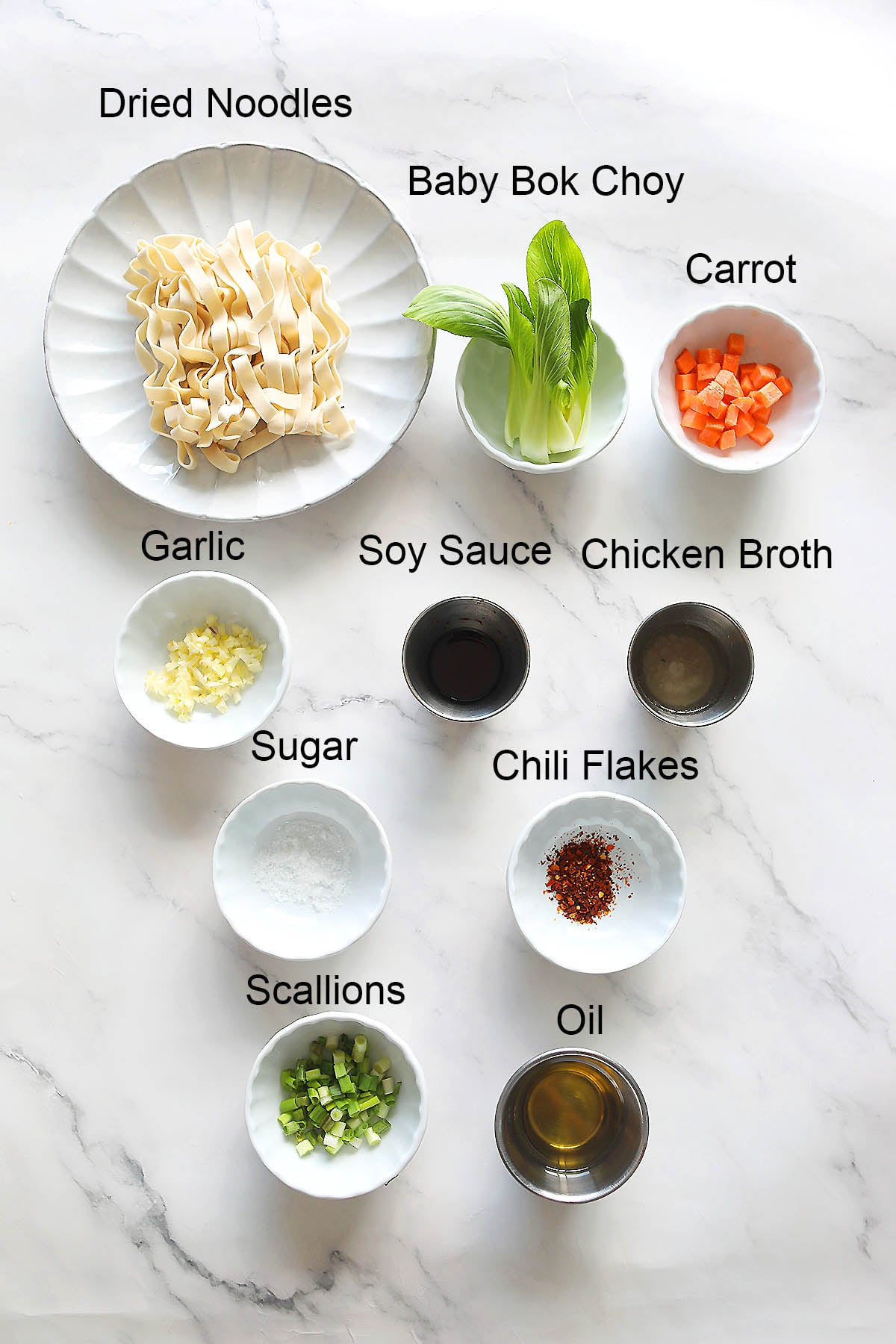
- Dried noodles
- Garlic
- Soy sauce
- Chicken broth
- Chili flakes
- Chopped scallions
Please refer to the recipe card at the bottom of this post for full details on each ingredient.
Pro Tip #1: Soy Sauce Builds The Savory Base
Soy sauce brings salty umami and savory depth to the bowl so the noodles taste well seasoned rather than flat. You can adjust the amount lightly to taste depending on how salty your soy sauce brand is.
Pro Tip #2: Chicken Broth Keeps The Sauce Light And Even
Adding a splash of chicken broth brings extra savory body and helps the seasonings coat the wide noodles evenly without making the bowl feel heavy. Check out my Easy Substitutions And Swaps section if you need an alternative.
Pro Tip #3: Minced Garlic For Fragrant Aroma
Fresh minced garlic gives the oil-splashed noodles their signature savory punch. Layer it on top of the noodles so the hot oil hits it directly and releases its fragrance without turning harsh or bitter.
Pro Tip #4: Pick The Right Chili Flake
Sichuan chili flakes or Korean gochugaru give a vibrant red color and fragrant heat without scorching too quickly. You can also use standard crushed red pepper flakes.
Pro Tip #5: Chopped Scallions Brighten The Bowl
Fresh chopped scallions add a clean, mild onion note that cuts through the rich oil and savory soy seasoning. Scatter them over the top so they stay vibrant and fresh.
Pro Tip #6: Chicken Bouillon Is Optional But Highly Recommended
Adding a little chicken bouillon is optional, though I highly recommend it for an extra boost of savory depth and umami that makes the seasoning coat the noodles even better. I use Knorr chicken bouillon powder.
Pro Tip #7: Use A Neutral High-Heat Oil
Use a neutral oil with a high smoke point, such as vegetable, canola, or peanut oil, to sizzle the aromatics cleanly without burning or overpowering the dish. Avoid extra-virgin olive oil here since its strong flavor and lower smoke point do not suit this dish.
Easy Substitutions And Swaps
- Vegetables: If you do not have baby bok choy or carrots on hand, swap them for choy sum, baby spinach, bean sprouts, or thinly sliced fresh cucumber for a crisp contrast.
- Vegetarian Option: Swap the chicken broth for vegetable broth or 2 tablespoons of the starchy noodle cooking water if you want to keep the dish meatless.
- Added Tanginess: Traditional Xi’an you po mian often includes a splash of Chinese black vinegar (Chinkiang vinegar). If you enjoy a bright, tangy kick, add 1 teaspoon of black vinegar alongside the soy sauce.
- Protein Toppings: Turn this into a heartier meal by topping the noodles with a fried egg, Chinese Tomatoes and Eggs (番茄炒蛋, fanqie chao dan), a quick stir-fry of savory minced pork, or crispy tofu right before mixing.
How To Make Biang Biang Noodles
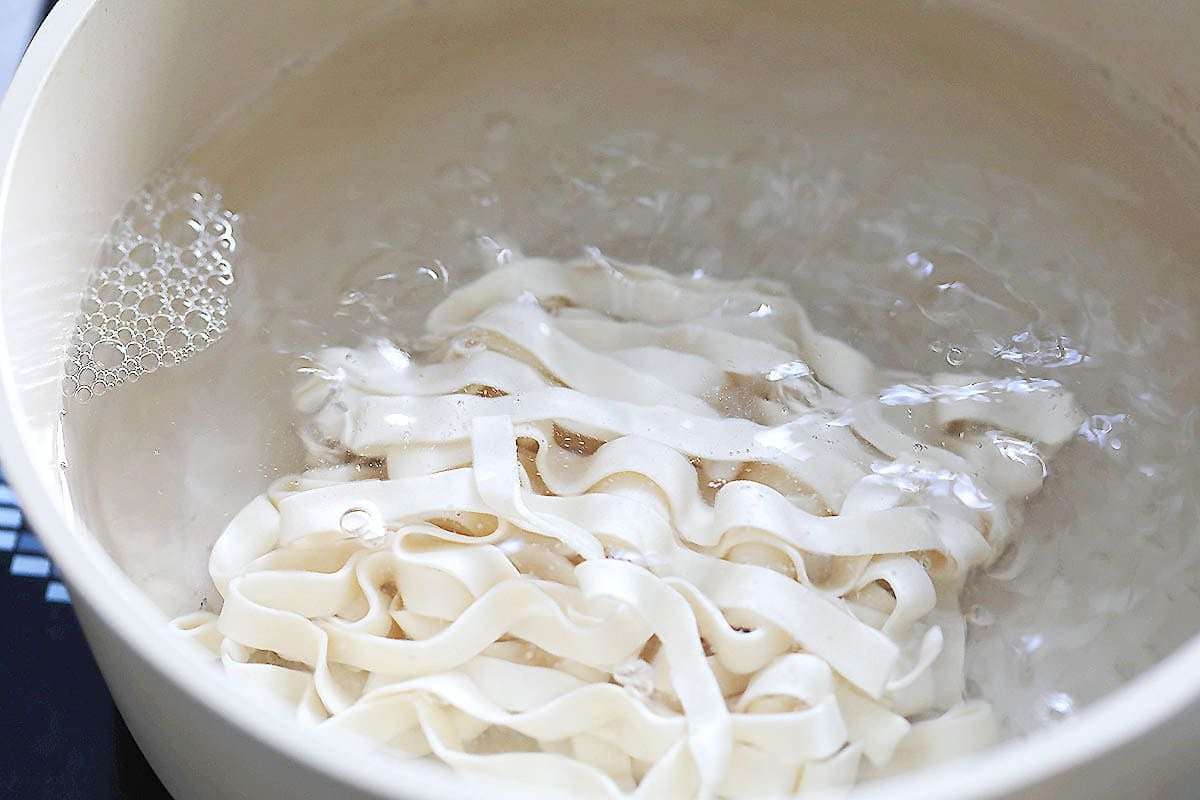
Bring a large pot of water to a rolling boil. Drop in the wide noodles and cook according to the package instructions until chewy and tender, giving them a quick stir at the start so the thick strands do not stick together.
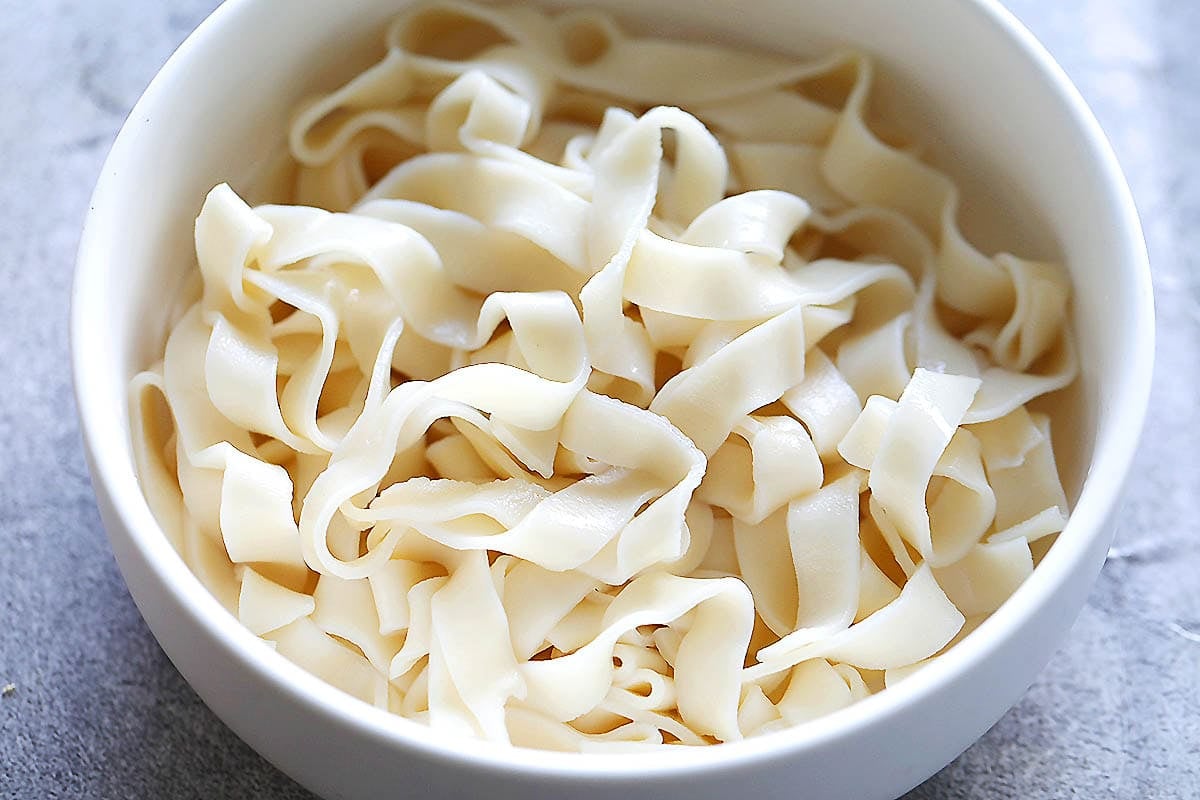
Drain well and transfer the noodles to a heatproof serving bowl.
Pro Tip: Using a heatproof bowl such as ceramic, glass, or stainless steel is important here since hot oil will go straight into the bowl later. Avoid thin plastic or melamine bowls that could warp or melt.
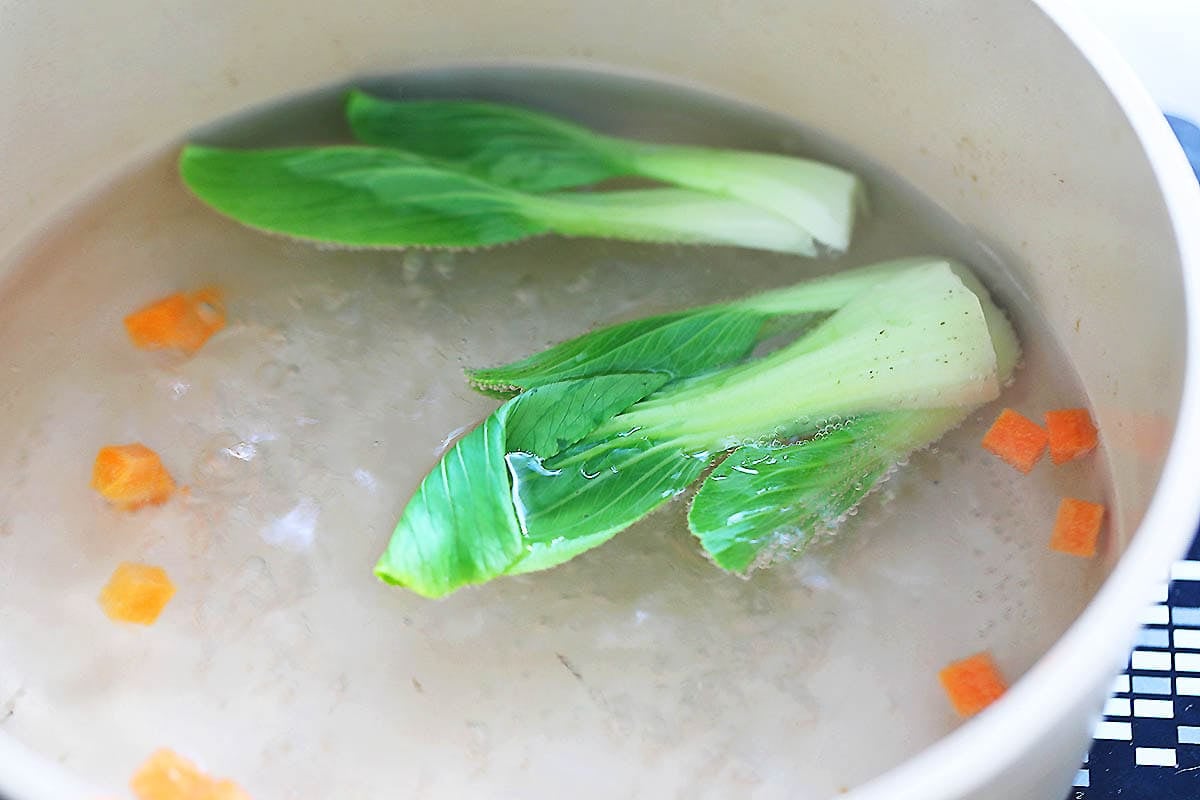
Add the baby bok choy and carrot cubes to the boiling water. Blanch for 30 to 45 seconds, then scoop out the baby bok choy and set it aside so the leaves stay bright green and crisp.
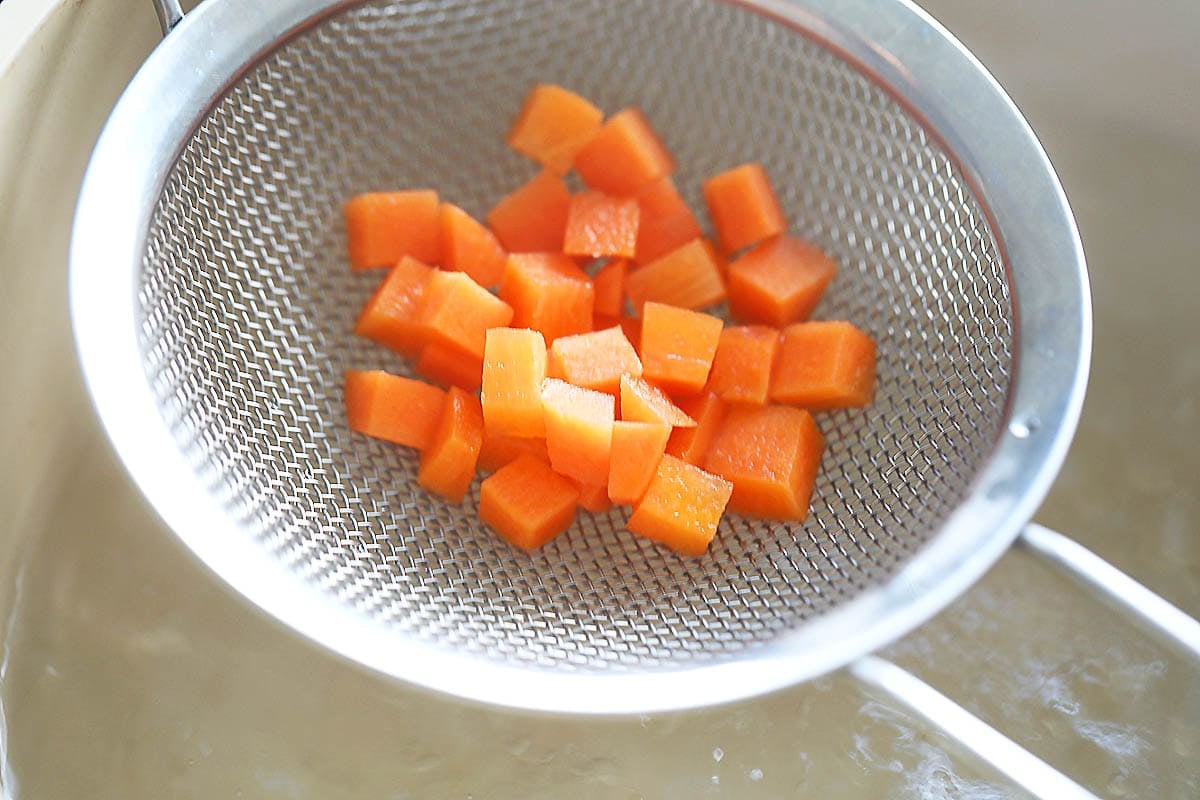
Continue blanching the carrot cubes in the boiling water for another 1 to 2 minutes until just tender, then drain and set them aside with the bok choy.
Pro Tip: Blanching the baby bok choy and carrots separately or pulling the bok choy out early keeps the greens vibrant and prevents overcooking the softer leaves while the carrots finish softening.
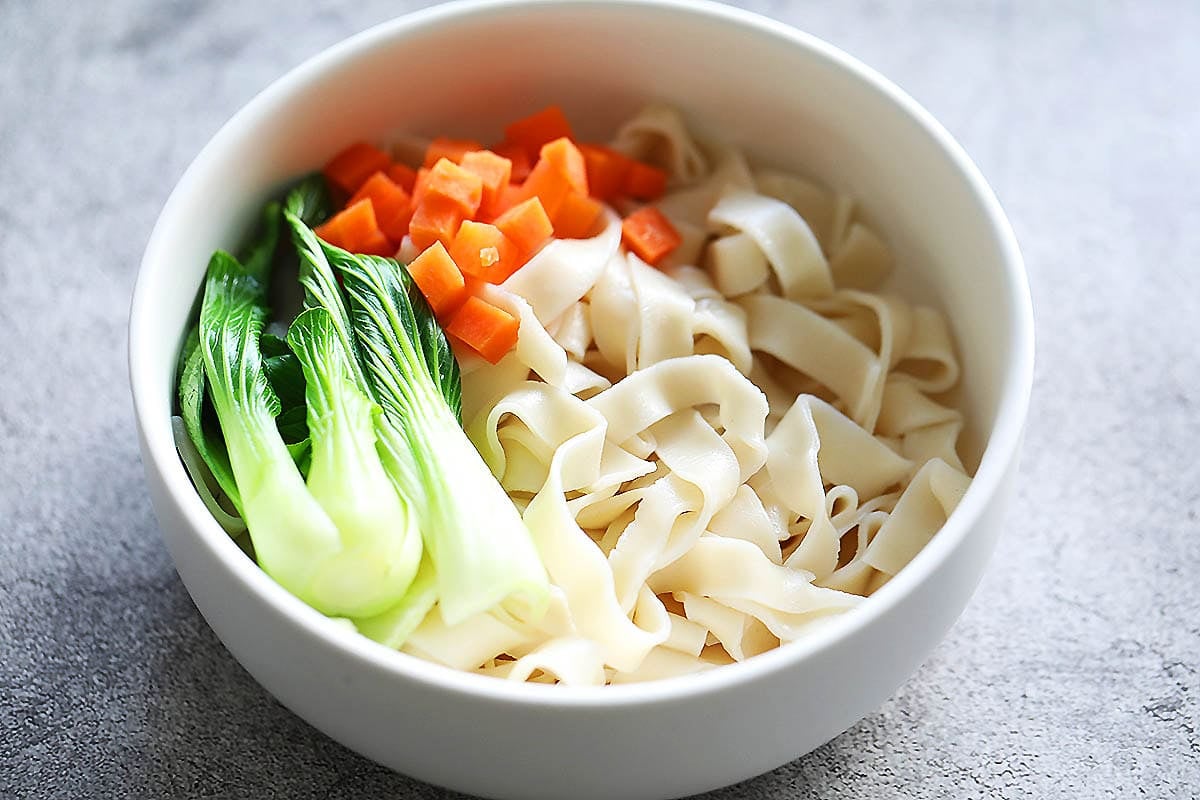
Arrange the blanched baby bok choy and carrot cubes around the noodles in your serving bowl so everything is neatly plated and ready for the aromatics and hot oil.
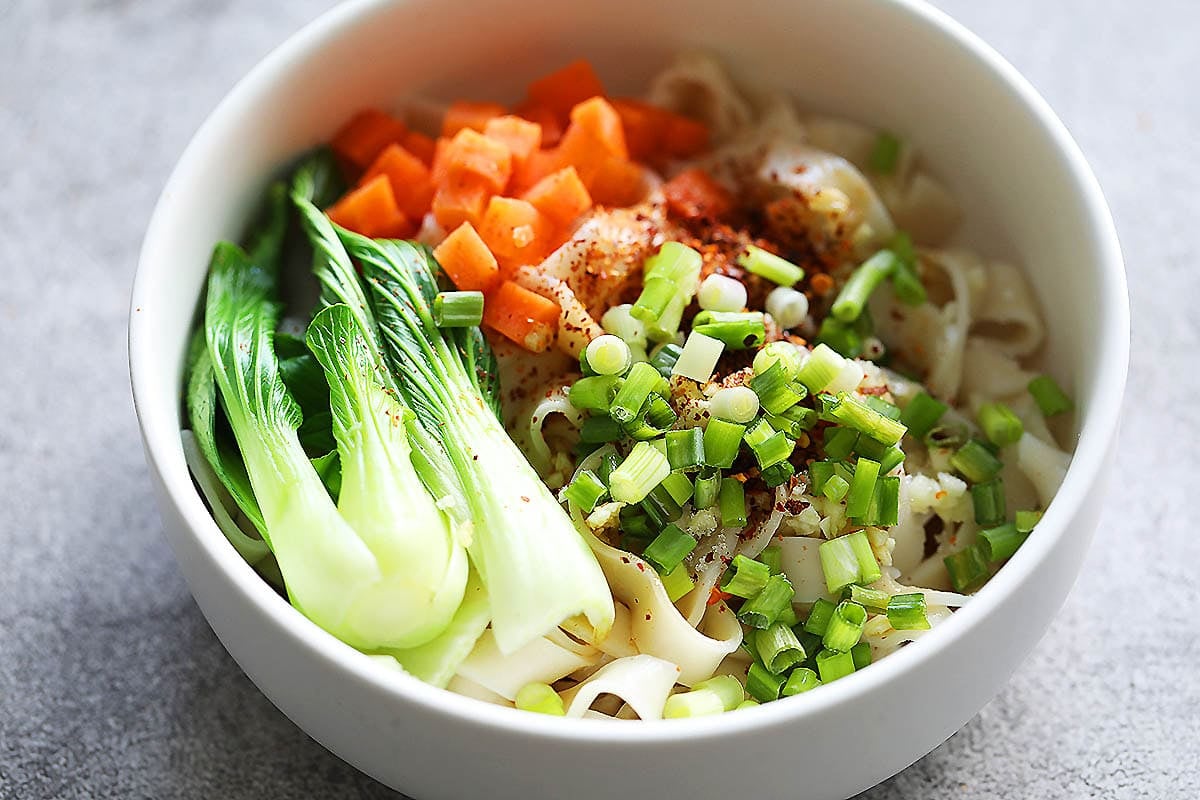
Add the minced garlic, soy sauce, chicken broth, sugar, chili flakes, and chopped scallions right over the noodles.
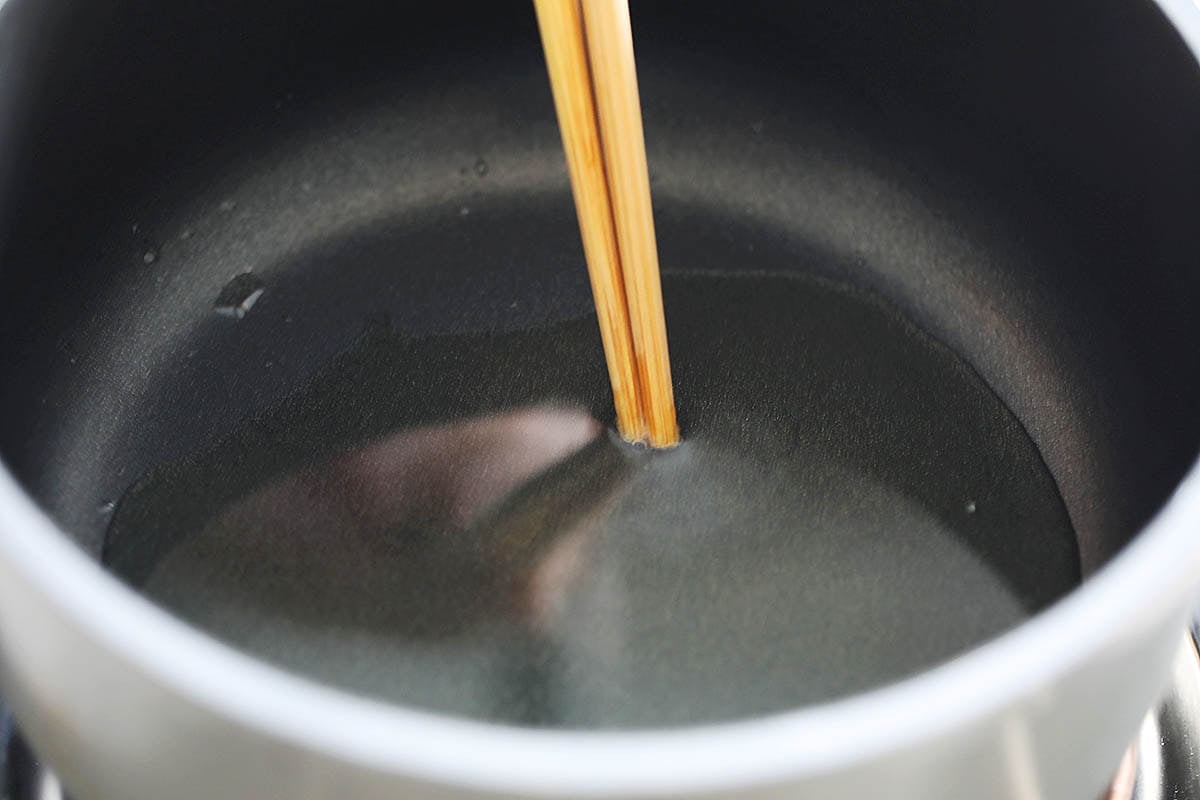
Heat the cooking oil in a small pot or saucepan over medium-high to high heat until hot and shimmering.
Pro Tip: To check if the oil is hot enough without a thermometer, dip the tip of a wooden chopstick into the oil. When small, steady bubbles form around the chopstick, it is ready to pour.
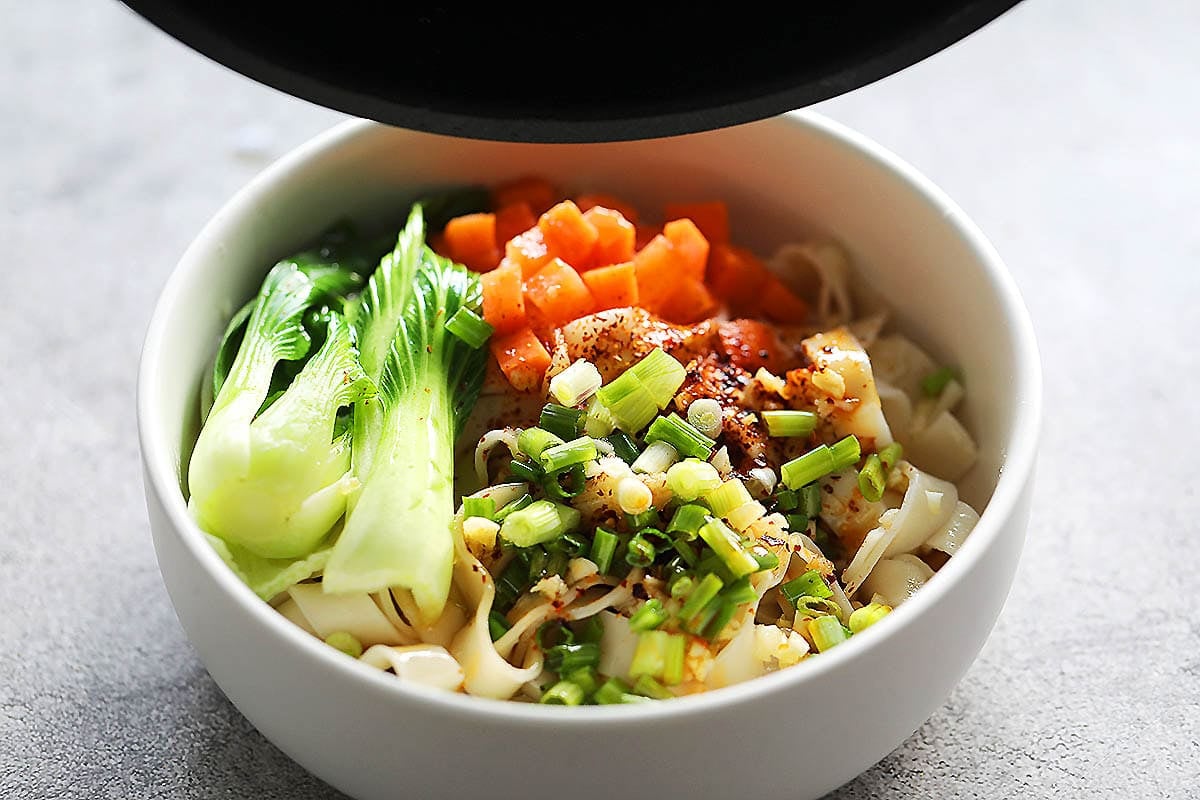
Carefully pour the hot oil over the chili flakes, garlic, and scallions so it sizzles and wakes up their aroma and spice.
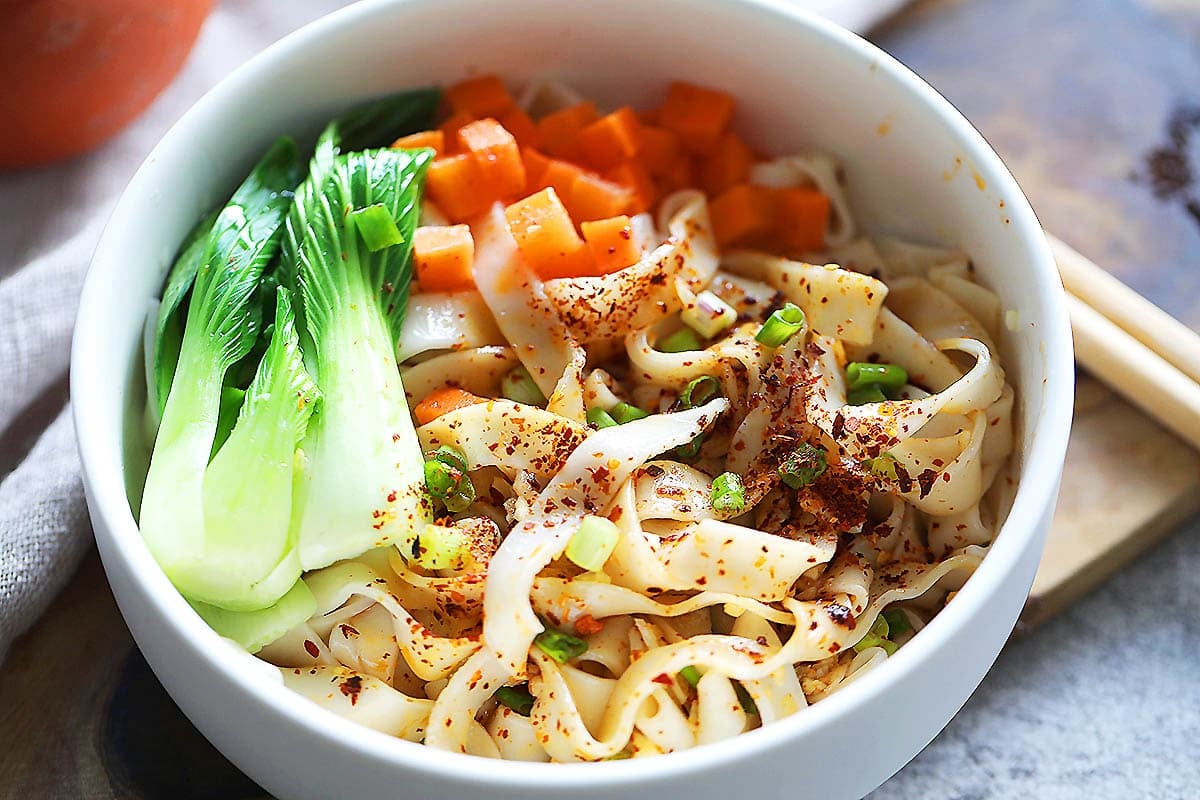
Mix everything well with chopsticks or tongs so the thick noodles get coated in the savory sauce, chili oil, and aromatics, and serve immediately while hot.
Frequently Asked Questions
It is best cooked fresh since the thick noodles can clump and soften as they sit. If you prep ahead, keep the noodles, blanched vegetables, aromatics, and sauce separate, then toss with hot oil right before eating.
No, skip rinsing so the starchy surface stays intact and helps the oil and seasonings cling better to the noodles.
Freshly minced garlic gives a brighter, punchier aroma when hit with hot oil, though jarred garlic works in a pinch if you want faster prep.
The heat is easy to adjust. Start with a light pinch of chili flakes for warmth, or add more if you want a bolder kick.
Store leftovers in an airtight container in the refrigerator for up to 2 days. Reheat in a pan over low heat with a small splash of water, tossing until warmed through. The noodles may soften slightly after refrigeration.
This recipe is 562 calories per serving.
What To Serve With This Recipe
For an easy and wholesome weeknight dinner, I recommend the following recipes:

I hope you enjoy this post as much as I do. If you try my recipe, please leave a comment and consider giving it a 5-star rating. For more easy and delicious recipes, explore my Recipe Index, and stay updated by subscribing to my newsletter and following me on Facebook, Pinterest, and Instagram for new updates.
Other Noodle Recipes You Might Like
Biang Biang Noodles
Ingredients
- 1 pack dried noodles, about 3.5 oz/100 g
- 1 baby bok choy, optional
- 2 tablespoons carrot cubes, optional
- 1 clove garlic, finely minced
- 1 teaspoon soy sauce, or to taste
- 2 tablespoons chicken broth
- 1 pinch sugar
- 1 teaspoon chili flakes
- 1 tablespoon chopped scallions
- 1 small pinch chicken bouillon powder, optional
- 2 tablespoons oil
Instructions
- Bring a pot of water to a boil. Cook the noodles according to the package instructions. Drain and transfer to a heatproof serving bowl.
- Add the baby bok choy and carrot cubes to the boiling water. Blanch for 30–45 seconds, then remove the bok choy and set aside.
- Continue blanching the carrot cubes for another 1–2 minutes, then drain and set aside.
- Arrange the baby bok choy and carrots around the noodles.
- Add the garlic, soy sauce, chicken broth, sugar, chili flakes, and chopped scallions over the noodles.
- Heat the oil in a small pot until hot.Pro Tip: Dip a pair of wooden chopsticks into the oil. If small bubbles form around the chopsticks, the oil is hot enough.
- Carefully pour the hot oil over the chili flakes and scallions to release their aroma.
- Mix everything well and serve immediately.
Video
Nutrition
Nutrition information is automatically calculated, so should only be used as an approximation.