
This post may contain affiliate links. Please read my privacy policy.
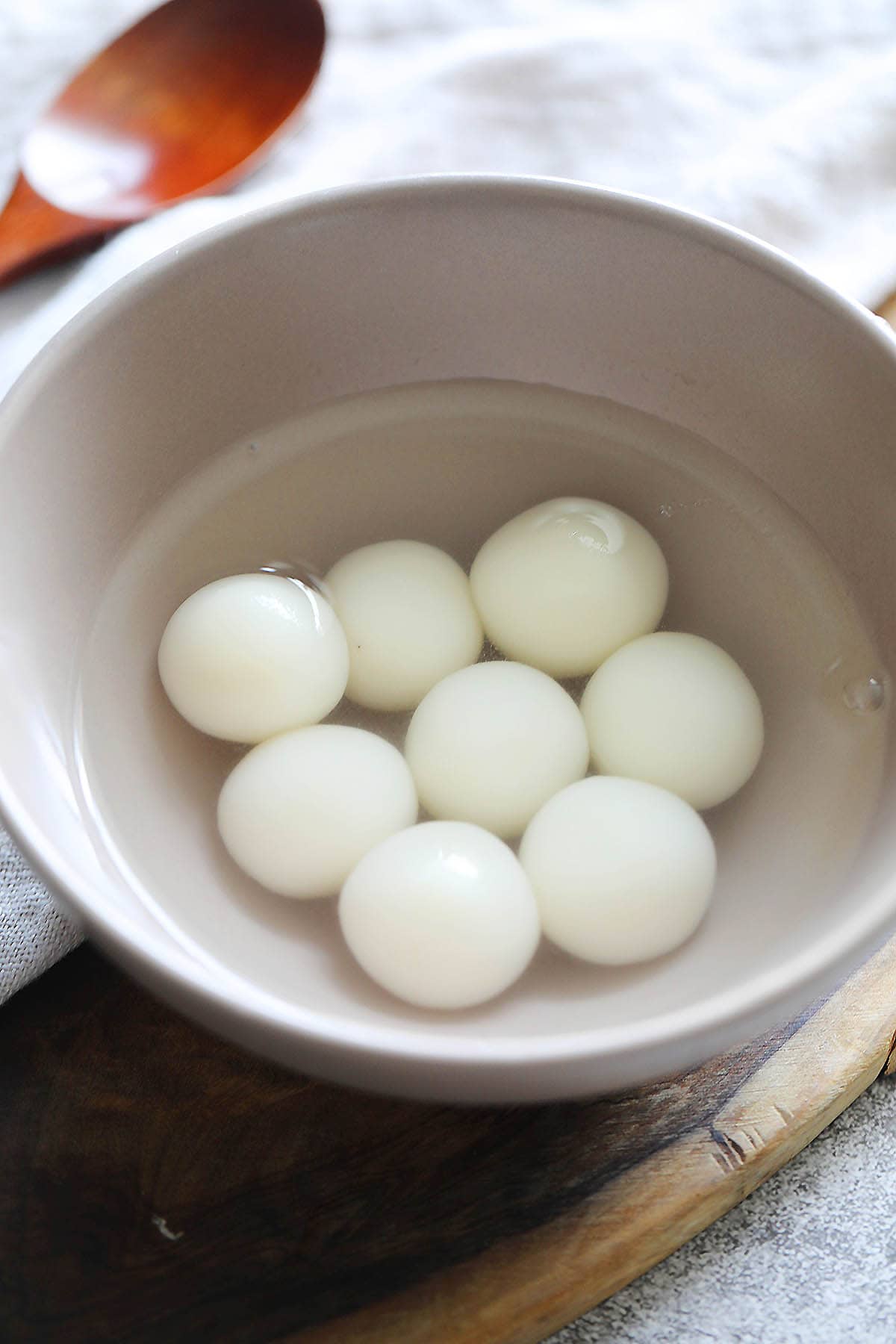
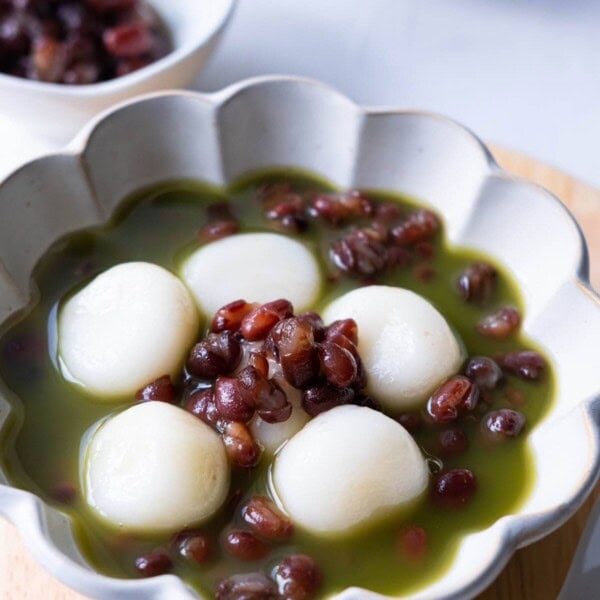
Learn how to make dango with just two ingredients. These soft and chewy Japanese rice dumplings are easy to make and perfect for Matcha Zenzai and other Japanese desserts.
Recipe Summary
- 🔪 Prep Time: 10 minutes
- 👨🍳 Cook Time: 5 minutes
- ⏱️ Total Time: 15 minutes
- 🍽️ Servings: 16 dango
- 🏷️ Calories: ~52 calories
- 🍳 Cook Method: Boil
- ✨ Flavor Profile: Soft and chewy with a simple rice flavor that makes these dango perfect for serving with sweet Japanese desserts
- 🧩 Difficulty: Easy (Perfect for making soft and chewy dango at home)
SUMMARIZE AND SAVE THIS CONTENT ON
Shiratama Dango
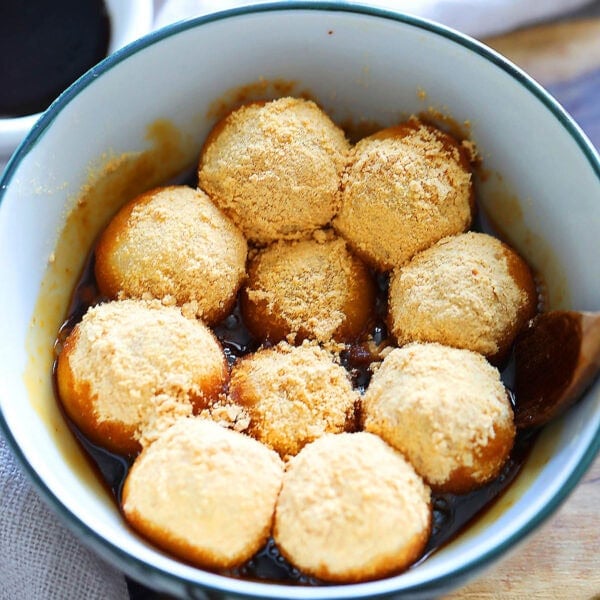
Dango is a traditional Japanese sweet made from rice flour and water. These small, round rice dumplings are soft and chewy, and they can be served in many different ways. They are often paired with kinako, a roasted soybean flour with a nutty flavor similar to my Brown Sugar Dumplings recipe, or anko, a sweet red bean paste made from azuki beans and sugar. Dango is also commonly served with sweet sauces or added to Japanese desserts.
The recipe I’m sharing today is Shiratama Dango, a type of dango that I love for its soft, smooth, and pleasantly chewy texture. I especially enjoy making these at home for Matcha Zenzai.
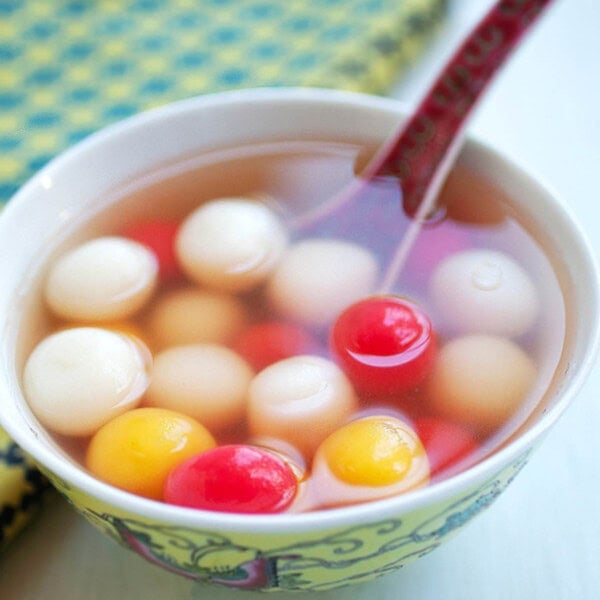
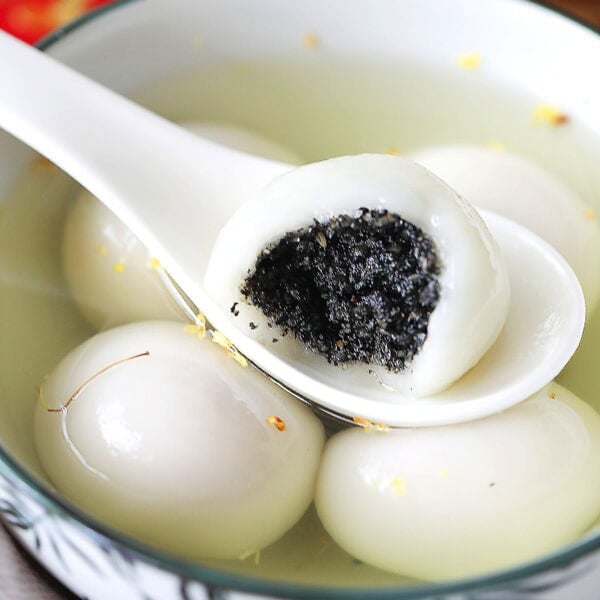
If you’re familiar with Tang Yuan, you’ll notice that Shiratama Dango looks very similar. Both are small, round rice dumplings with a soft and chewy texture, but they come from different culinary traditions. Tang Yuan can be served plain or filled with sweet sesame like my Black Sesame Dumplings, peanut like my Peanut Dumplings, or other fillings, while Shiratama Dango is typically served with sweet toppings, sauces, or as part of a dessert.
Sidenote: Dango and mochi are both Japanese rice-based sweets, but they are made differently. Dango is made by mixing rice flour with water, shaping the dough into balls, and boiling them, while mochi is traditionally made by pounding cooked glutinous rice until it becomes soft and sticky.
Shopping Guide: Rice Flour
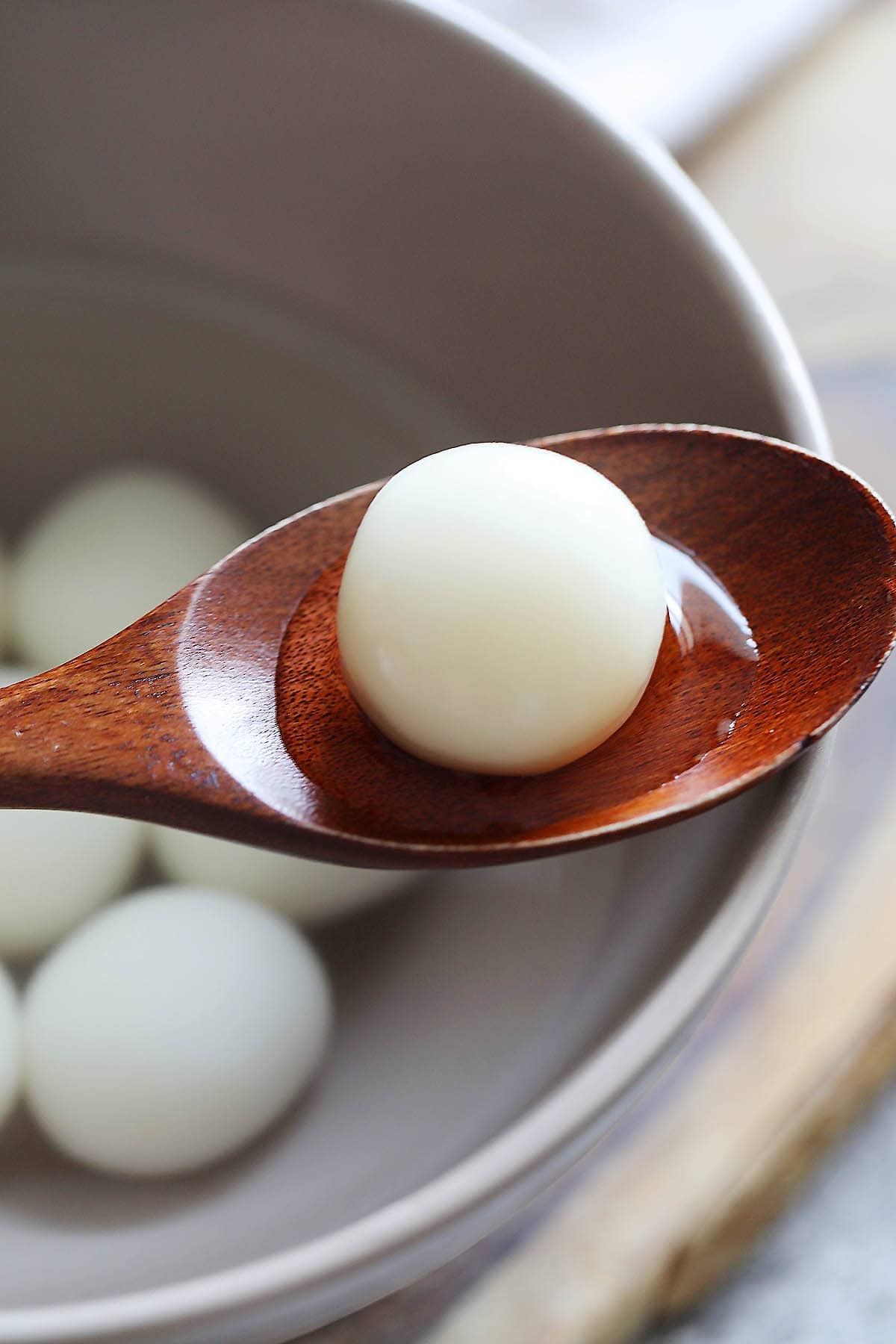
The type of rice flour you use will affect the texture of your dango. Shiratamako is my preferred choice because it gives the dumplings a smooth, soft, and springy chew.
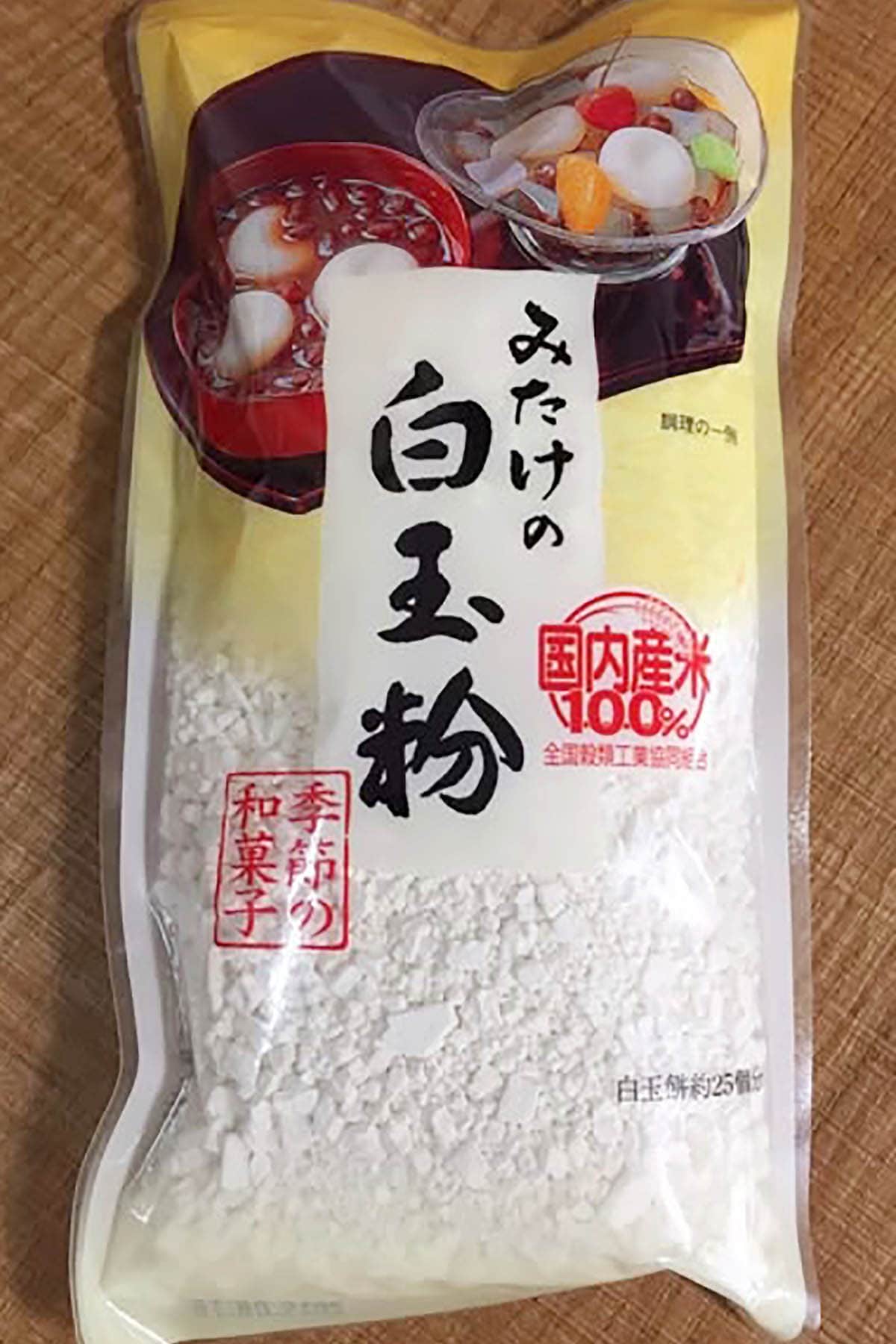
- Shiratamako: Shiratamako is a Japanese glutinous rice flour made from mochigome, the same sticky rice used to make mochi. It is made by soaking and wet-milling the rice, then drying it into small, coarse granules. This process gives dango a very smooth, soft, and springy texture. Shiratamako can be hard to find, which is why I also use mochiko for this recipe. The photo above shows shiratamako. You can see its coarse, granular texture compared to the fine, powdery texture of mochiko.
- Mochiko: Mochiko is also made from mochigome, but it is dry-milled into a fine powder. It works well for dango and is a good alternative when shiratamako is hard to find. The finished dango is a little softer and more elastic, with a slightly less silky texture.
- Glutinous rice flour: Regular glutinous rice flour can also be used. It produces dango that is soft and chewy, but the texture may not be as smooth or springy as dango made with shiratamako. The exact texture can vary depending on the brand and how finely the flour is milled.
Ingredients You’ll Need
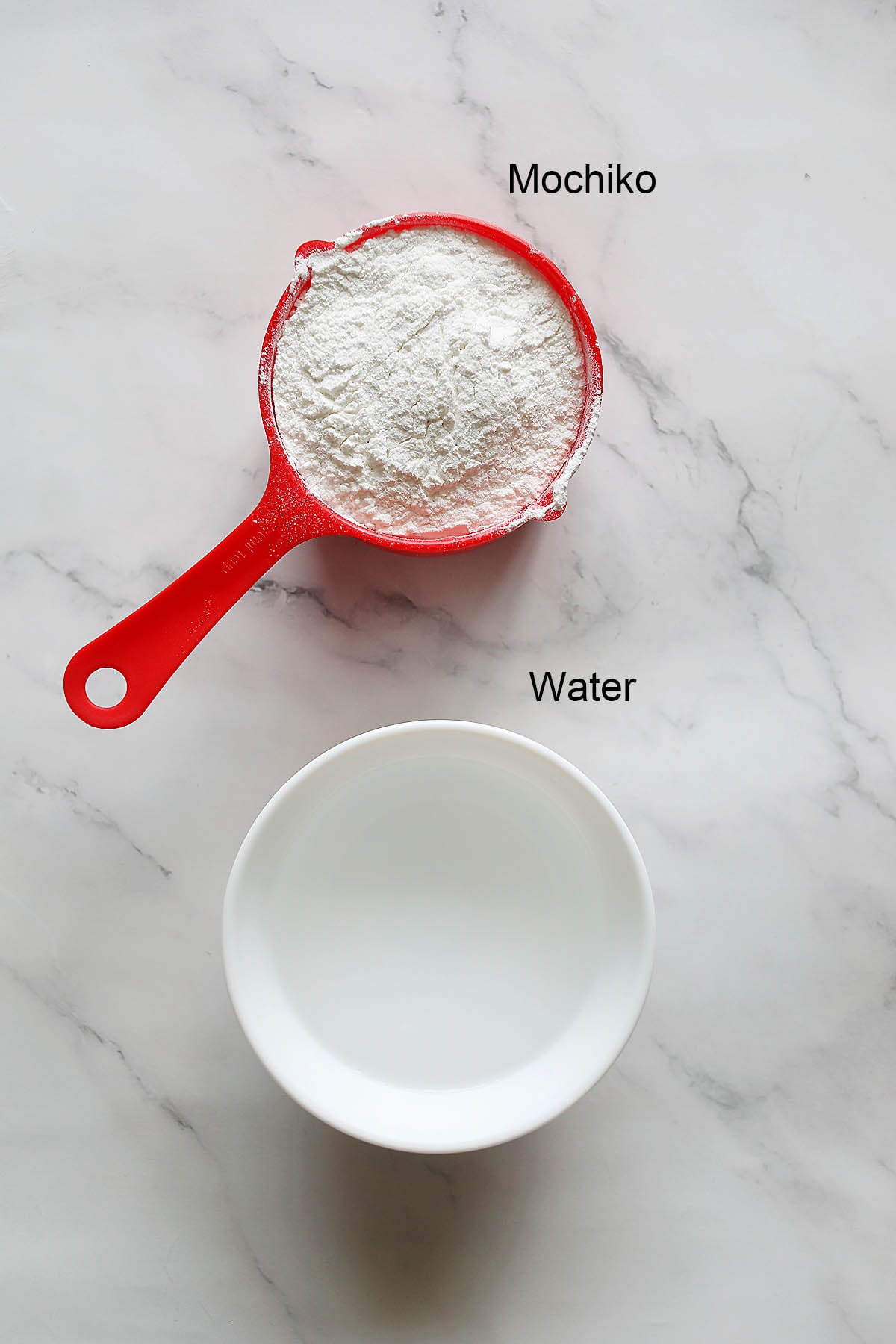
- Mochiko
- Water
Please refer to the recipe card at the bottom of this post for full details on each ingredient.
How To Make Dango
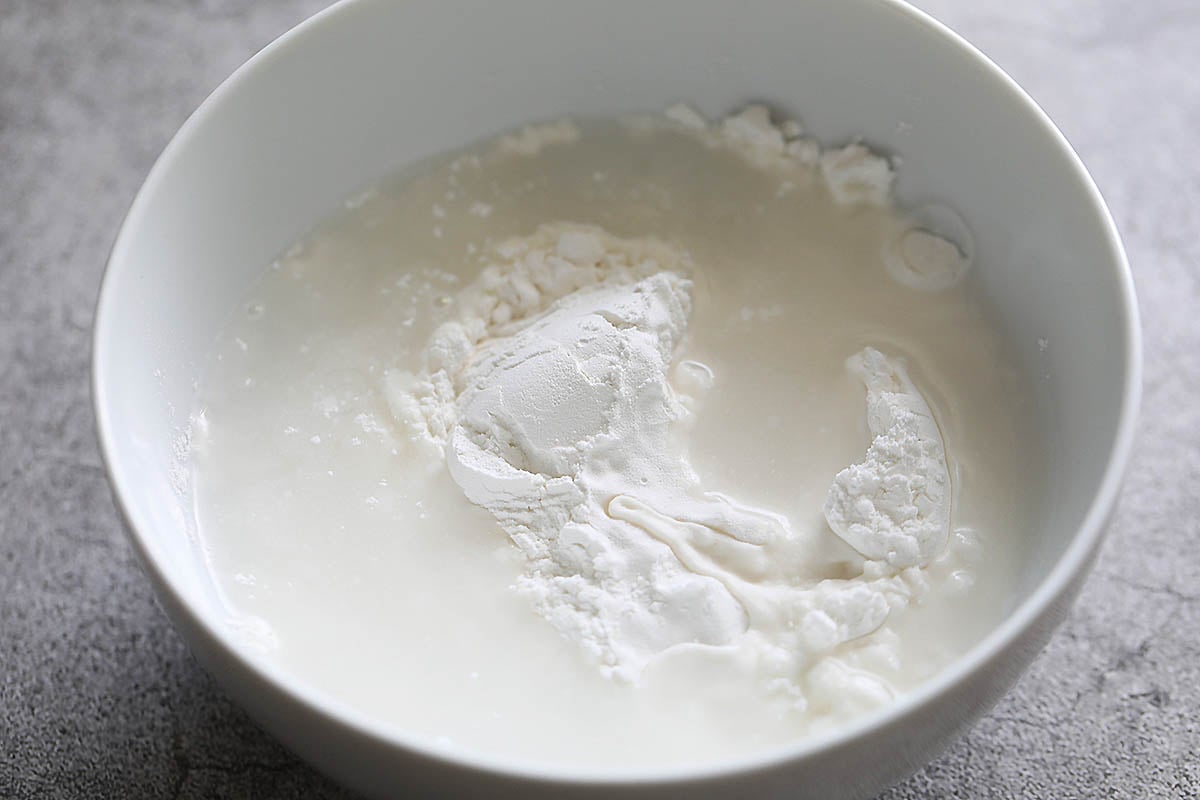
In a large bowl, add the mochiko and water. Mix until the flour is evenly moistened and starts to come together.
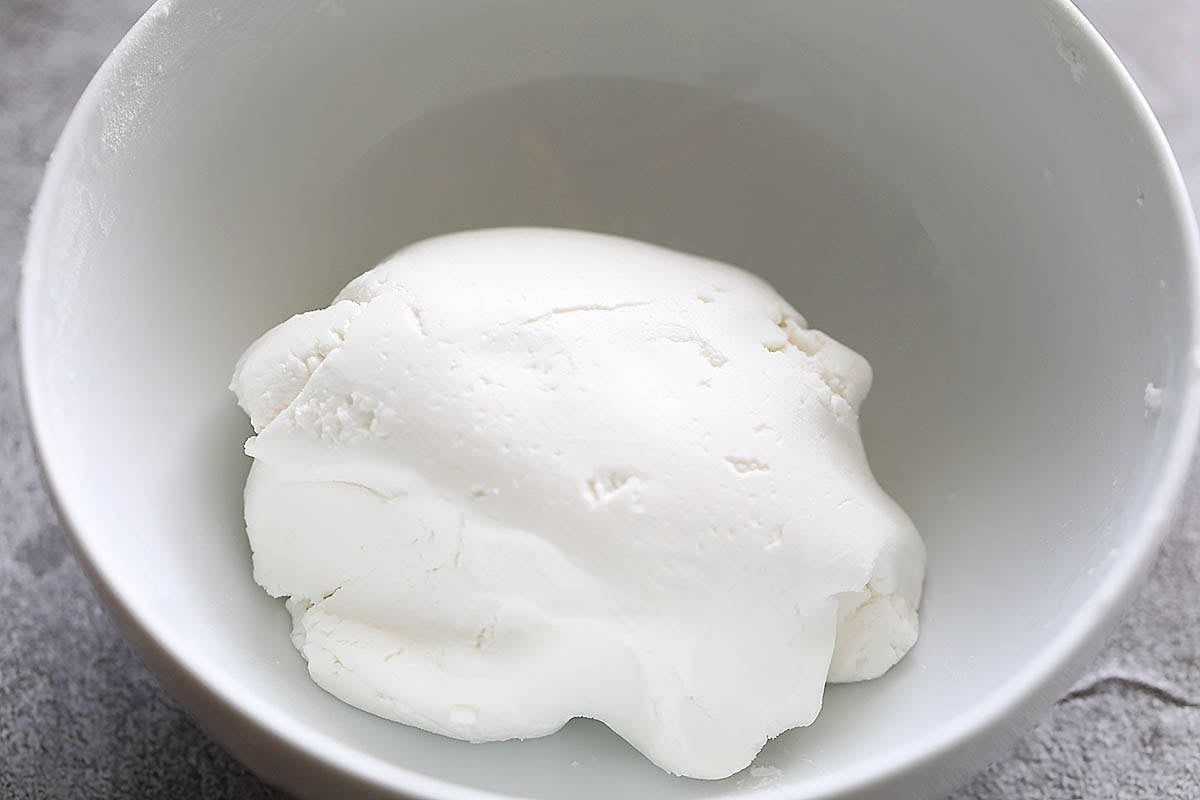
Knead the mixture until you have a smooth, soft dough that no longer sticks to your hands. The dough should be easy to handle and hold together without cracking.
Pro Tip: If the dough still feels slightly too dry or crumbly, add 1 tablespoon of water and knead again until it comes together.
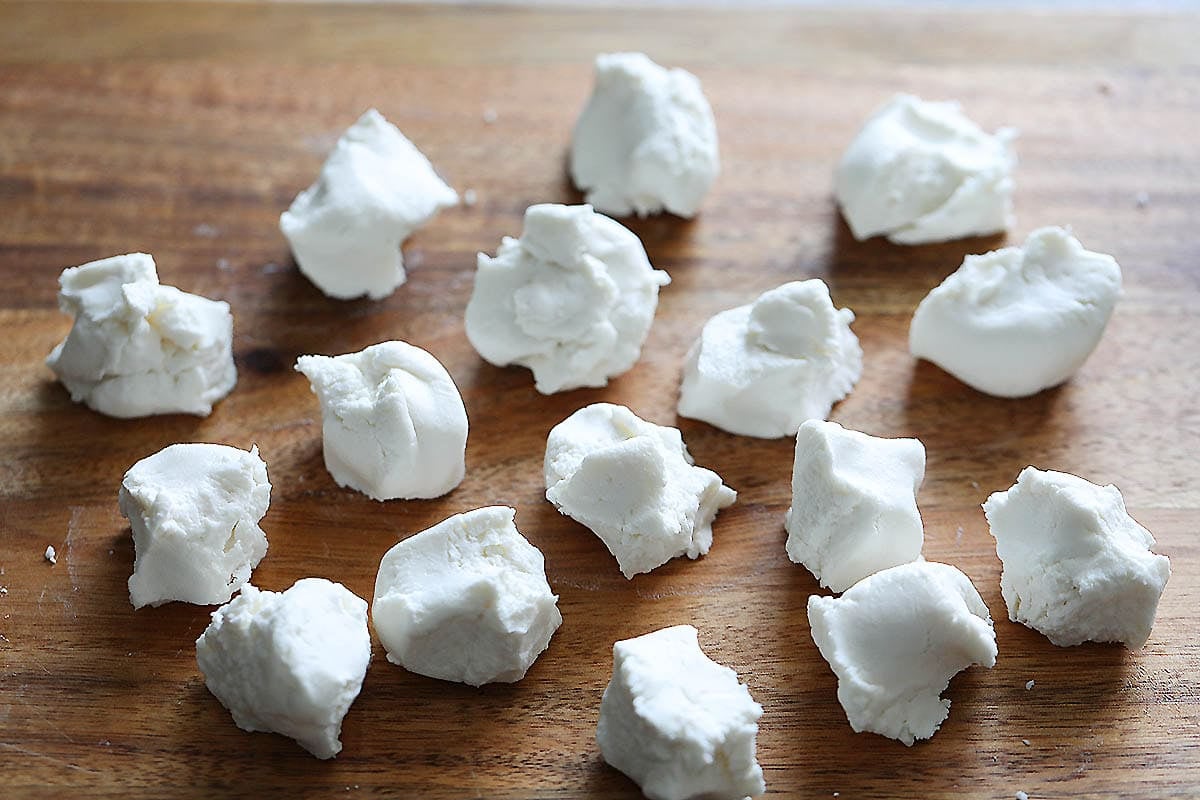
Divide the dough into 16 equal portions. Keeping the pieces similar in size helps the dango cook evenly.
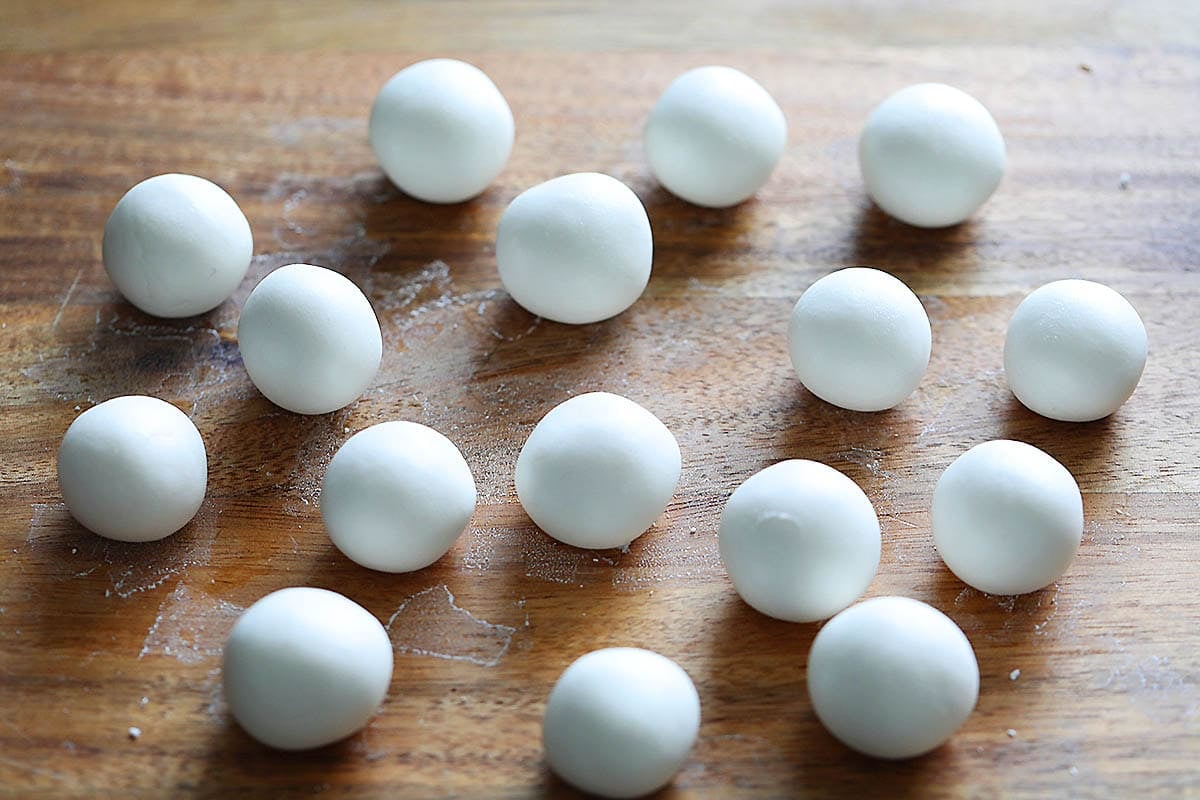
Roll each portion between your palms to form a smooth, round ball. Try to make each one as evenly shaped as possible.
Pro Tip: Give each ball a second gentle roll between your palms to smooth out any cracks or bumps and make them perfectly round.
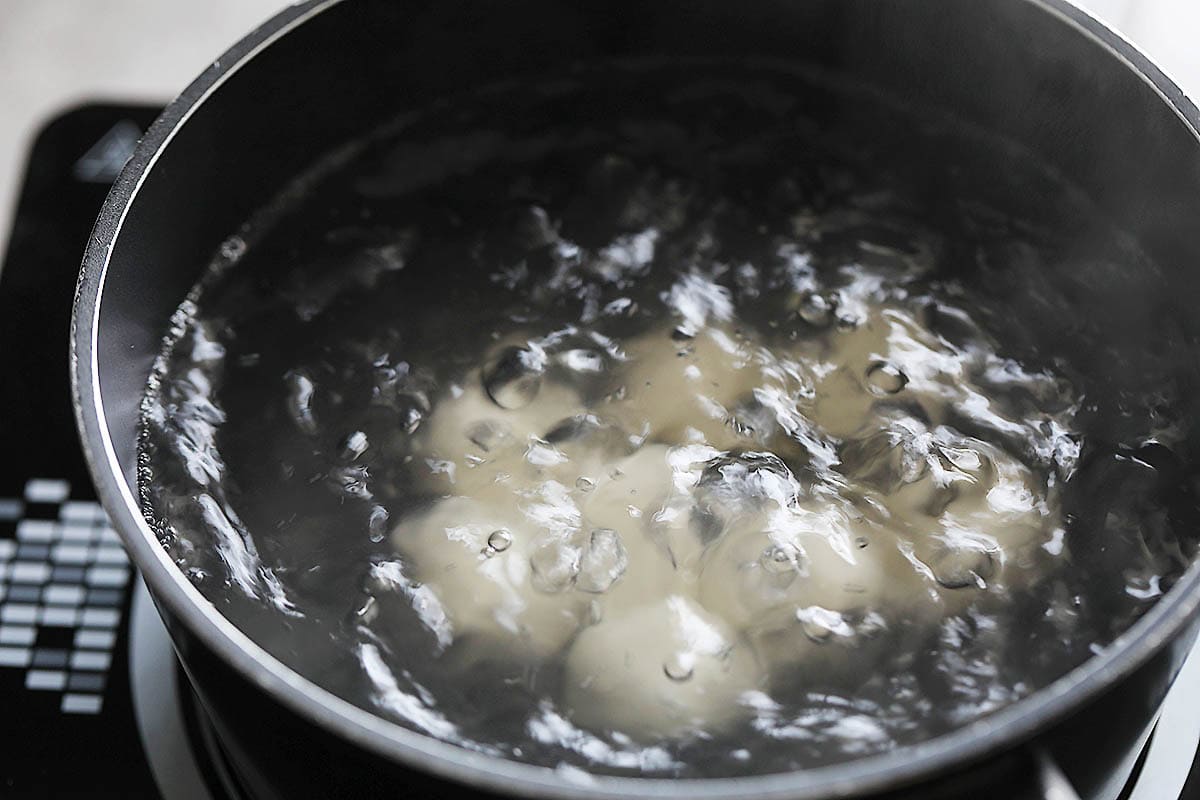
Bring a pot of water to a boil, then carefully add the dango. They will sink to the bottom at first and gradually rise as they cook.
Pro Tip: Give them a gentle stir after adding them to the pot, especially around the bottom of the pot.
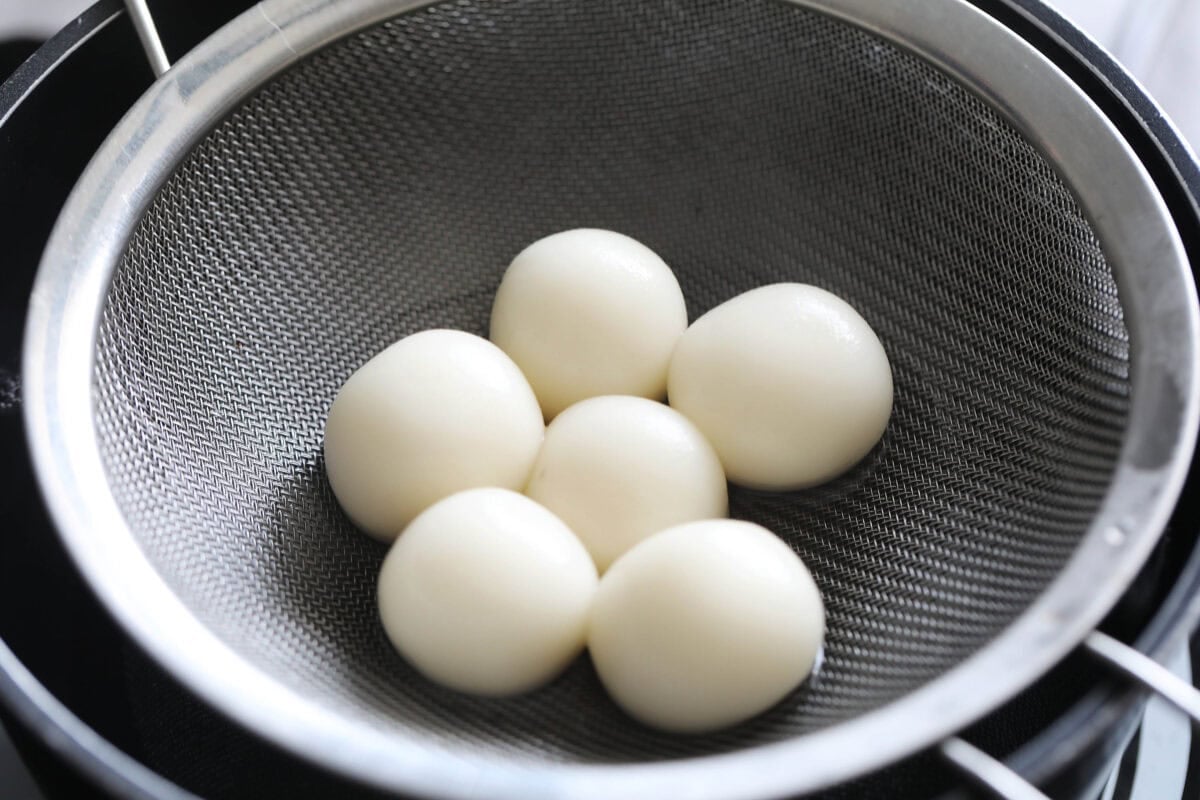
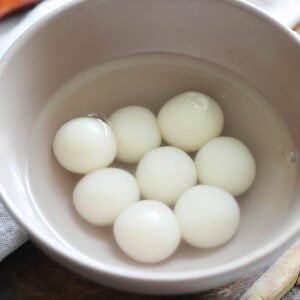
Once the dango float to the surface, they are cooked through. Use a strainer to lift them out of the water.
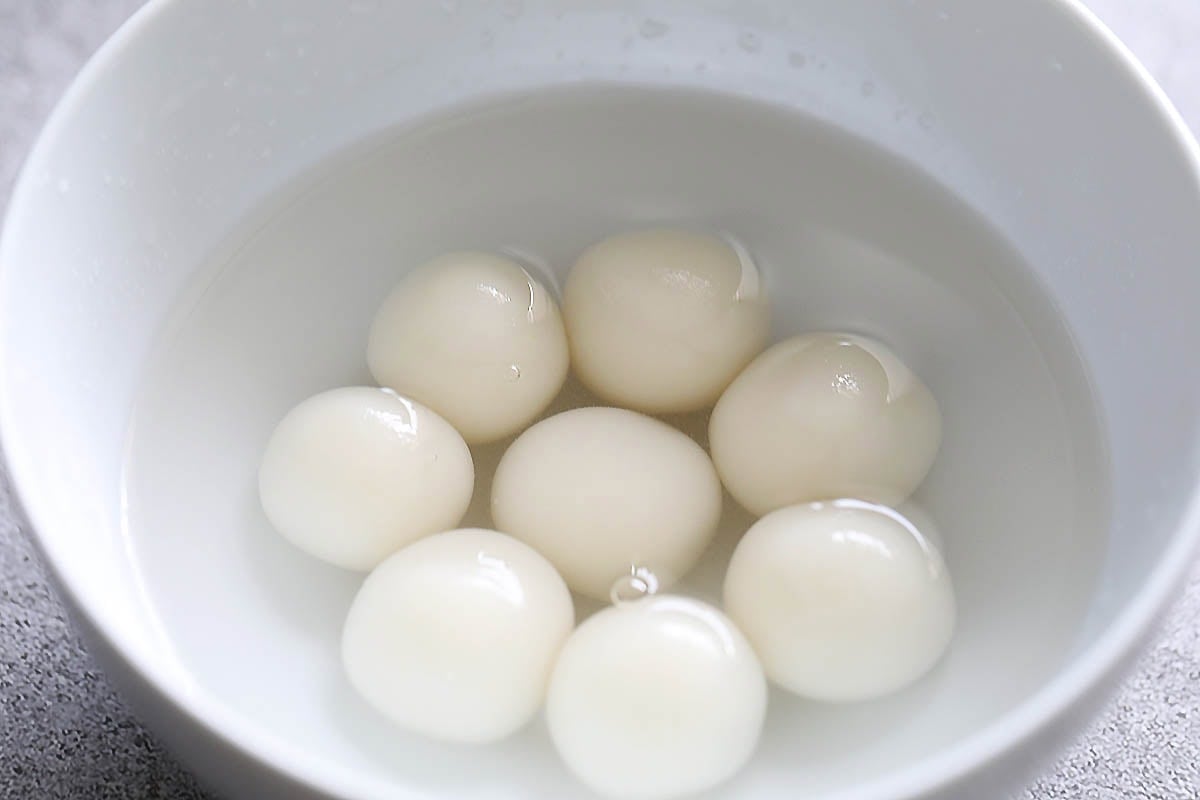
Transfer the dango to a bowl of cold water to stop the cooking and cool them down. They are now ready to serve with Matcha Zenzai or other Japanese desserts.
Frequently Asked Questions
Yes. You can shape them, cover them with cling wrap, and keep them refrigerated until ready to use. Simply boil them when you’re ready to serve.
Keep them in cold water after cooking until you are ready to serve them. If storing them, keep the pieces separated as much as possible.
Yes. Freeze the uncooked pieces in a single layer until firm, then transfer them to a freezer-safe bag or container. They can be frozen for up to 1 month. Boil them straight from frozen when ready to use.
Keep leftover cooked dango in an airtight container in the refrigerator and use them as soon as possible. They are best enjoyed fresh, as they can become firmer after refrigeration.
Gently warm them in hot water for a short time until softened. Avoid boiling them for too long, as this can make them tough.
Each dango is 52 calories.
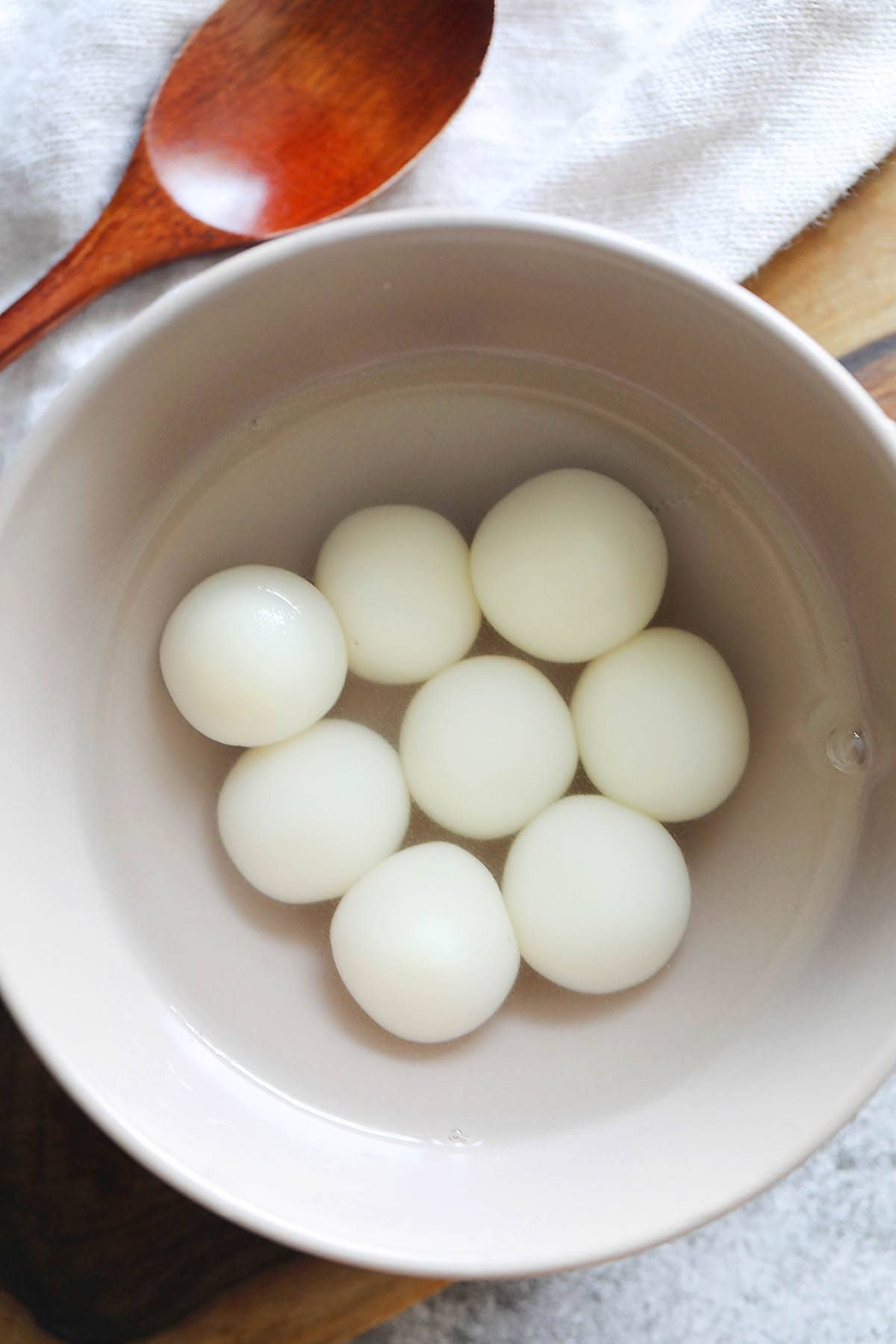
Other Recipes That You Might Like
I hope you enjoy this post as much as I do. If you try my recipe, please leave a comment and consider giving it a 5-star rating. For more easy and delicious recipes, explore my Recipe Index, and stay updated by subscribing to my newsletter and following me on Facebook, Pinterest, and Instagram for new updates.
How To Make Dango
Ingredients
- 8 oz mochiko, or shiratamako (preferred) or glutinous rice flour
- ¾ cup water
Instructions
- In a large bowl, add the mochiko and water.
- Mix and knead until it forms a smooth dough that no longer sticks to your hands.
- Divide the dough into 16 equal portions.
- Roll each portion into a ball.Pro Tip: After rolling the dango into balls, roll them a second time between your palms to smooth out any uneven spots and make them perfectly round.
- Bring a pot of water to a boil. Carefully drop in the dango and wait for them to float to the top.Pro Tip: Give the dango a gentle stir after adding them to the pot so they don't stick to the bottom.
- Once the dango float to the top, remove them with a strainer.
- Place the dango in a bowl of cold water. They are now ready to use for Matcha Zenzai or other Japanese desserts.
Video
Notes
Nutrition
Nutrition information is automatically calculated, so should only be used as an approximation.